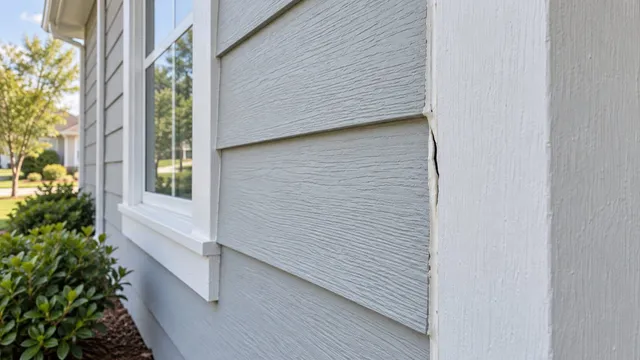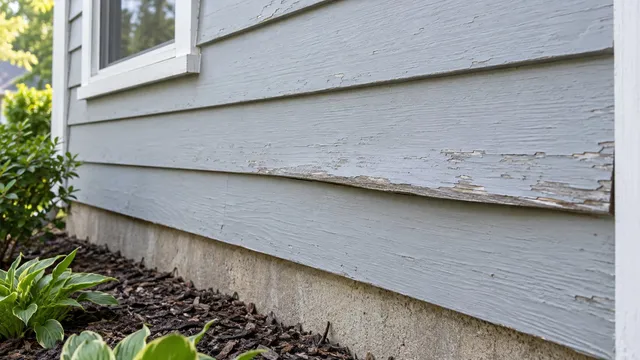
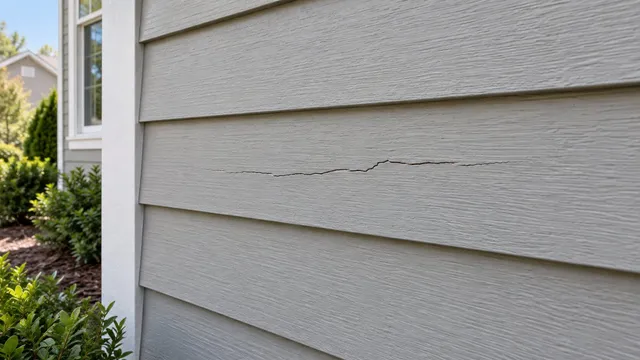
Cracked Fiber Cement Siding: When a Patch Is Enough and When Boards Need Replacement
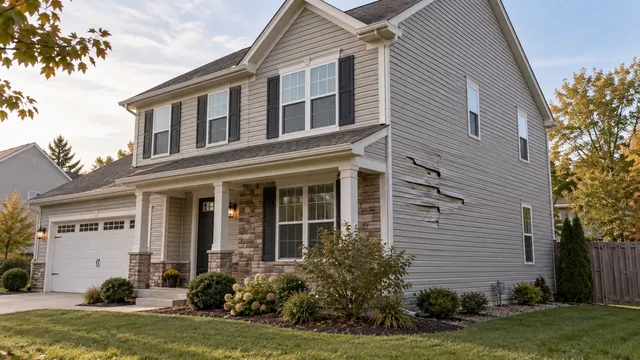
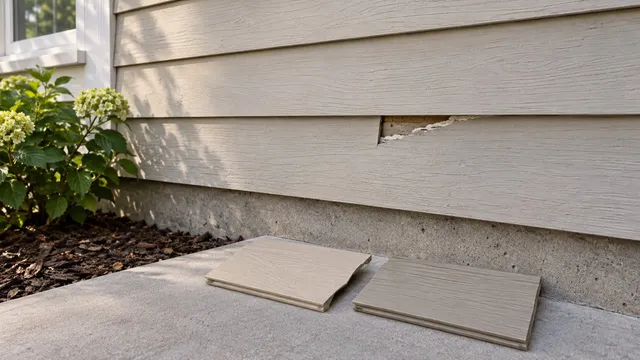
The visible crack width alone cannot tell you whether filler will hold. Board integrity, the exact product and finish, and the reason it cracked all matter.
Cookies
We use cookies to measure how the site is used. You can accept or reject them. Privacy policy
Began her career in marketing for a national gutter guard company. She specializes in exterior home renovations, window replacements, and eco-friendly outdoor upgrades for Angi and Forbes.
Byline
The visible crack width alone cannot tell you whether filler will hold. Board integrity, the exact product and finish, and the reason it cracked all matter.
Anna Baluch 9 min read
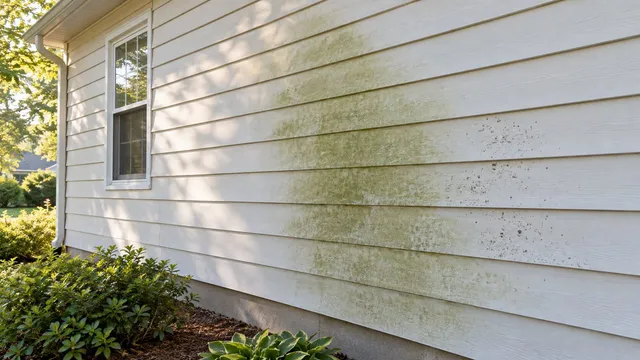
Before reaching for bleach or a pressure washer, identify the siding and its finish. A small dry test and a clear stop point protect more than an aggressive cleaning recipe.
Anna Baluch 10 min read
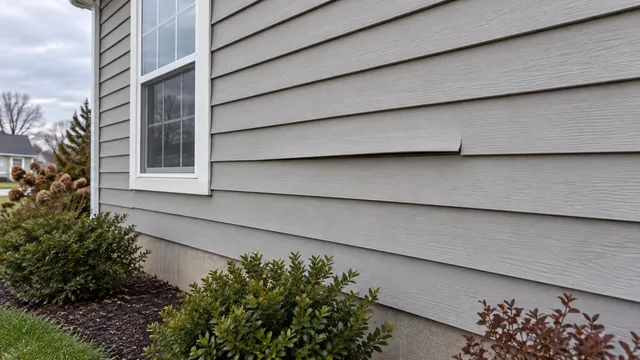
A panel that keeps rattling or lifting needs its connection and supporting wall checked. The visible piece may be reusable, but a quiet repair alone proves little.
Anna Baluch 10 min read
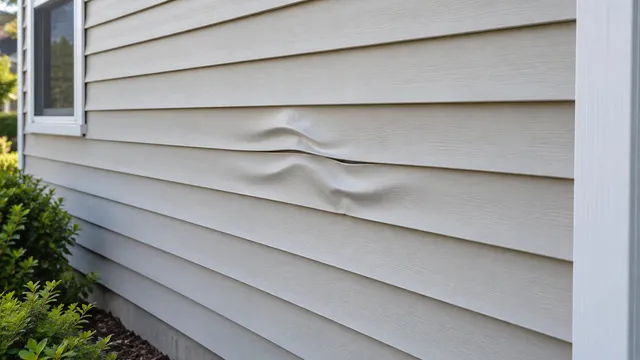
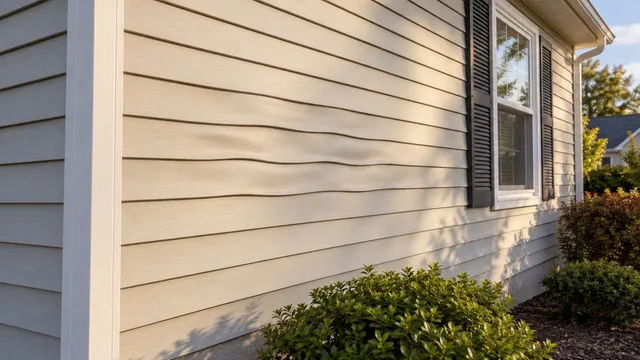
When only one patch of vinyl looks wrinkled, replacing it without understanding the exposure may set up another repair. Start with safe observations and a written cause-and-repair plan.
Anna Baluch 9 min read
Conflicting siding quotes often assume different repair boundaries. Separate visible damage, the access needed to fix its cause, and the extra work you might choose for appearance.
Anna Baluch 10 min read
Finding a similar color is only one part of a small siding repair. The replacement must fit the existing assembly, and you get to decide what appearance is acceptable.
Anna Baluch 10 min read
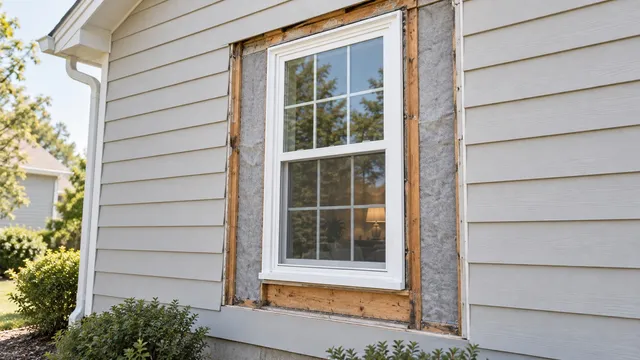
A neat trim joint tells you little about the concealed opening. Before new siding covers it, identify what stays and how the window connects to the wall drainage layer.
Anna Baluch 10 min read
A split bead or open seam is not a universal caulking job. Identify the joint and the siding system before deciding whether it should be sealed, left open, or investigated.
Anna Baluch 9 min read
A swollen edge can mean a wet board; it cannot show whether the wall behind it is sound. The water source and the condition of each layer shape the repair.
Anna Baluch 9 min read
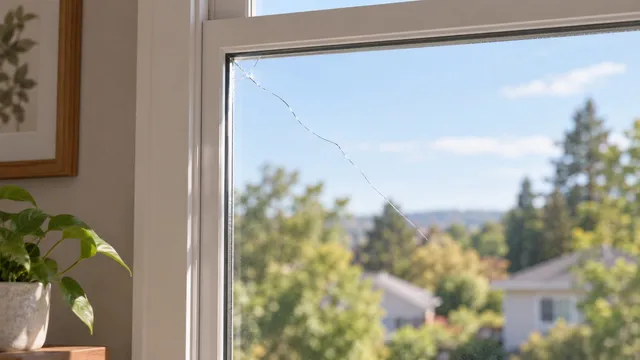
The crack's starting point, shape, and affected pane narrow the possibilities. Photograph those clues before a glazier removes the glass or a claim erases the evidence.
Anna Baluch 10 min read
A sash that drifts or slams shut is often a balance problem. The way it fails, the age of the window, and the condition of the frame set the repair scope.
Anna Baluch 10 min read
A strip can seal a moving sash joint, but it cannot warm cold glass or close a gap behind trim. Find the air path before buying material.
Anna Baluch 11 min read
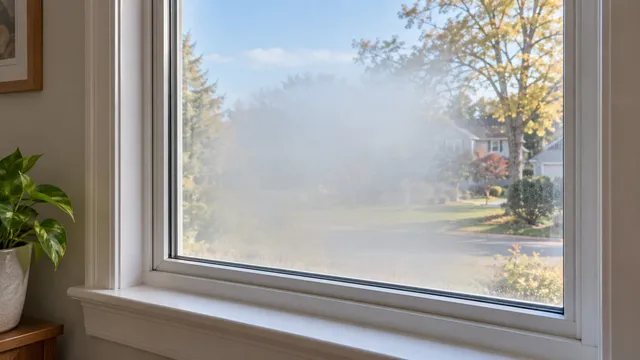
On intact glass, wipe both safely reachable surfaces first. If the haze remains between them, compare a new sealed glass unit, a factory sash, and a whole window.
Anna Baluch 12 min read
The low afternoon sun can pass under an eave and heat a room fast. First check whether the window is the cause; then choose a fix that fits your climate and glass.
Anna Baluch 11 min read
A sound old frame may deserve another life. The glass already in it, your heating climate, and the condition of each sash determine whether a storm earns its price.
Anna Baluch 11 min read
A wave in vinyl siding is a clue, not a diagnosis. Its location, timing, and the condition beneath it determine whether a panel repair will last.
Anna Baluch 10 min read
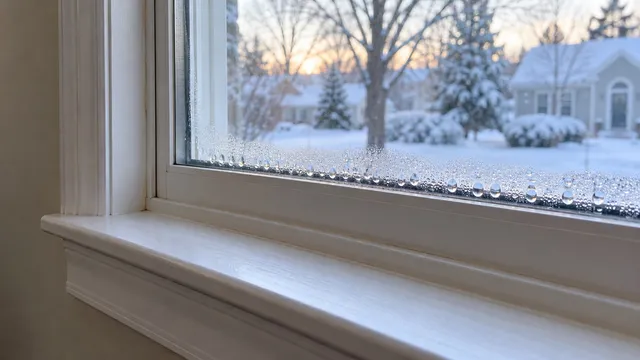
A wet sill after a cold night calls for a different fix than a stain after wind-driven rain. Start with where and when the water appears.
Anna Baluch Updated 11 min read
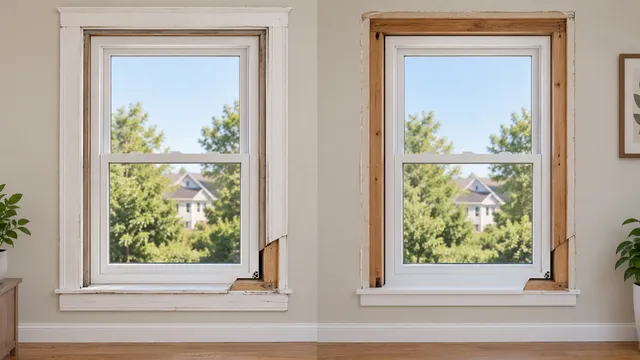
Two bids can use different installation methods and price different work. Check the old frame and opening window by window before choosing the cheaper or larger scope.
Anna Baluch 11 min read
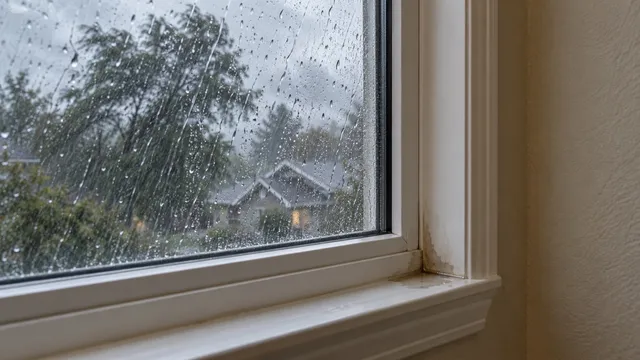
Wind can push water through small gaps that stay dry in calm rain. The location of the first wet spot matters more than a fresh bead of caulk.
Anna Baluch 12 min read
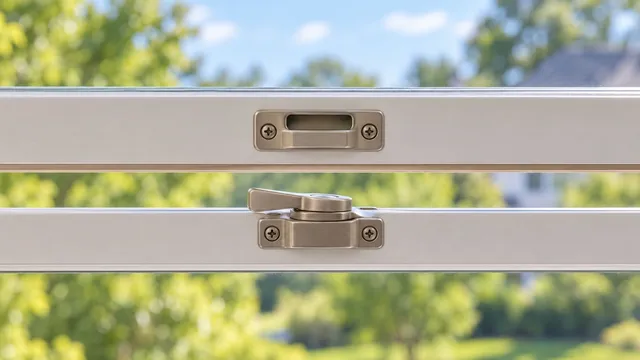
Before replacing a lock, see whether the sash reaches its proper position. The gap pattern, window type, and timing help separate hardware trouble from a binding or misaligned frame.
Anna Baluch 11 min read