A replacement quote can make a house full of working wood windows look like a liability. Yet a second pane over an old window can change comfort and energy use without removing the original sash. The useful comparison starts with what is already in each opening.
Count the glass layers, identify the frame material, and look for signs of decay or water entry. Then consider climate and what you need the windows to do. There is no dependable current national installed price for every storm style or window opening. Size, access, primary-window repairs, and finish work change the total, so ask for an itemized installed quote for each option.
Are your frames and sash sound enough for storm windows?
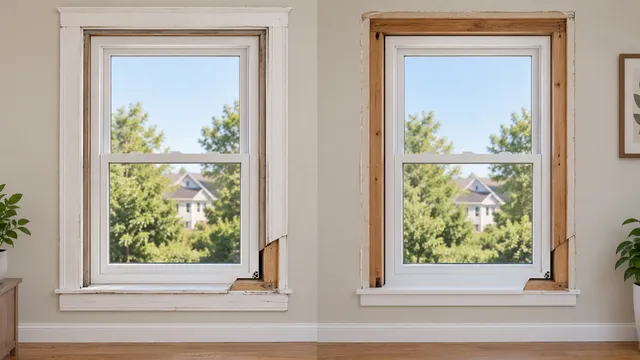
The National Park Service’s window condition survey looks beyond paint: sill and frame, sash rails and joints, glazing, hardware, and operation all matter. Look from a safe position at lower sash corners and sills, where decay often begins. Note cracked putty, a sash that will not close or stay open, and gaps or water stains around trim. Peeling paint can mark water entry, but the Park Service cautions against treating it as proof the wood cannot be repaired.
| What you find | What it means for the storm decision |
|---|---|
| Solid sill, working sash, intact glass, dry surround | Compare storm and replacement bids |
| Local sash, putty, hardware, or sill defect | Price repair before the storm |
| Active frame leak or widespread decay | Have a window contractor diagnose the opening before either order |
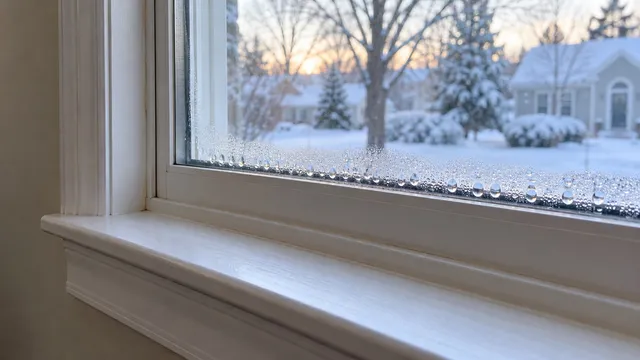
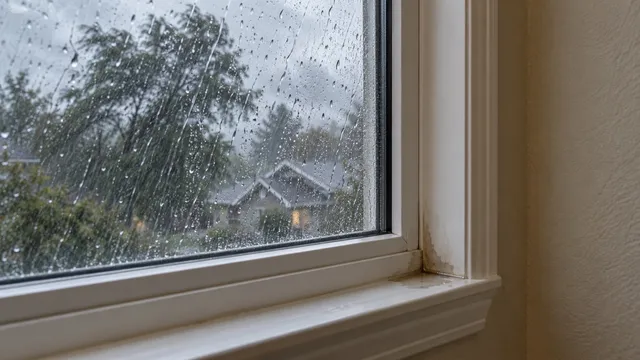
A storm does not mend a broken balance or clear fog trapped in insulated glass. Those are separate decisions about a double-hung window that will not stay open and replacing a fogged glass unit. If the room-side glass is wet, first distinguish condensation from a window leak. Wind-driven rain at the frame calls for a flashing and drainage assessment, not a new cover over the symptom.
If the frames are sound but the sashes leak air, check when weatherstripping helps before paying for new glazing. That repair also helps the original sash serve as the tighter layer behind an exterior storm.
What does a low-e storm window change?
A storm adds another glazing layer and an air space. Its low-e coating reduces radiant heat transfer. It may also cut air leakage around an older sash; PNNL’s 2015 modeling found that leakage reduction made up a larger share of savings over single-pane windows than over double-pane metal ones. The DOE Building America Solution Center describes low-e storms as about 50% more energy efficient than uncoated storms. That compares storm products, not whole-house bills.
None of these layers repairs a rotted sill, faulty lock, or leaking wall connection. In PNNL’s 2014 matched-house field test, low-e exterior storms over clear double-pane aluminum windows saved energy in measured heating and cooling seasons. Extrapolating those results, PNNL estimated about 10.1% annual HVAC savings; the storms performed similarly to replacing those windows with triple-pane units in that test. Those were specific houses in Richland, Washington. The original windows were already tight, so their air leakage did not change much. Better comfort near glass is possible, but the test cannot predict your bill.
Which existing windows make storms worth considering?
The primary window type is more useful than its age alone. PNNL’s 2015 model covered 22 cities and compared different primary windows and climate zones. Its recommendations are a decision guide, not a return promised for your house.
| Existing window | Case for a low-e storm | What to check first |
|---|---|---|
| Single-pane | Strong in climate zones 3–8 | Wood condition, air leaks, desired operation |
| Clear double-pane with metal frame | Strong in zones 3–8 | Frame condition and existing glass performance |
| Double-pane with wood or vinyl frame | Narrower: cold zones 6–8, eastern zone 5 with costly fuel, or propane/electric-resistance heat | Whether the smaller gain justifies cost and appearance |
| Existing clear-glass storm | Smaller upgrade to a low-e storm | Whether that panel still operates and drains |
For the first two window types, PNNL modeled average source HVAC savings of 21–36% with simple paybacks of 4.3–13.5 years in zones 4–8, under 2015 costs and assumptions. Its wood/vinyl double-pane cases showed 16–19% savings and 10.5–14-year paybacks where recommended. Neither range is a current price forecast. ENERGY STAR’s storm-window page estimates only about 2% savings from replacing existing clear storms with certified low-e storms.
ENERGY STAR also publishes conflicting headline estimates for adding storms over single-pane clear glass: one page says about 10%, while another says about 20%. Treat both as scenario estimates, not a promised reduction in your own bill. The window type, climate, heating fuel, and how tightly the old sash closes explain why one universal percentage is unhelpful.
How do climate and heating fuel change the choice?
Long heating seasons and expensive heat improve the case for a low-e storm. For single-pane and metal-frame double-pane windows, PNNL recommended low-e storms across zones 3–8. For newer double-pane wood or vinyl, the recommended locations were much more limited. Look up your IECC climate zone or the product’s ENERGY STAR region before comparing bids.
In cooling-heavy areas, the glass’s solar behavior matters too. PNNL recommends solar-control low-e storms in zone 3 and possibly warmer parts of zone 4; it treats zones 1–2 case by case. If one west-facing room is the real complaint, compare shading, film, and new glass for afternoon sun before upgrading every window. A storm’s extra pane cannot substitute for a shade that intercepts low sun before it reaches the glass.
The National Trust’s 2012 five-city modeling found that several repair-and-storm combinations approached high-performance replacement savings, often with better returns on investment. Its percentages were not predictions for a particular house. It is useful evidence that a mixed plan can be rational: restore most sound windows, add storms where they matter, and replace the few that have failed.
What will storms and replacement actually cost?
ENERGY STAR’s comparison quotes about $400 to $1,600 or more for an installed 3-by-5-foot double-hung replacement and says storms cost roughly one-half to one-quarter as much. These are broad program figures, not a bid for an old custom opening. A storm quote can rise with custom sizes, finish matching, operating panels, upper-floor access, and repairs to the primary sash. A replacement quote can include trim removal, wall repair, disposal, and lead-safe work.
Ask each bidder to separate the product, labor, access, sill or sash repair, trim and finish restoration, disposal, permits if required locally, and product versus labor warranty. Compare the same openings and scope. A low storm price that leaves failed putty and a rotted sill for later is a different project from a complete replacement bid. Likewise, a full-frame replacement that repairs a wet opening is not comparable to a glass-only or insert quote; frame condition changes which replacement method fits.
The federal Energy Efficient Home Improvement Credit under section 25C applied to qualifying property placed in service before the end of 2025, according to the IRS. Its window provision covered qualifying ENERGY STAR Most Efficient exterior windows, with a cap; the IRS page does not list storm windows. Do not build a 2026 purchase decision around that credit. Check current state or utility programs and verify tax questions with the IRS or a tax professional.
Exterior or interior storms: how do you prevent condensation?
Keep the warm, room-side layer tighter. With an exterior storm, the original sash should be the tighter air barrier. The exterior storm gets sealed at the head and sides while its sill and weep openings remain able to drain. With an interior storm, the new room-side panel needs a durable tight seal; the primary window must retain slight outward drying potential. DOE’s exterior guidance and interior guidance explain the different moisture paths.
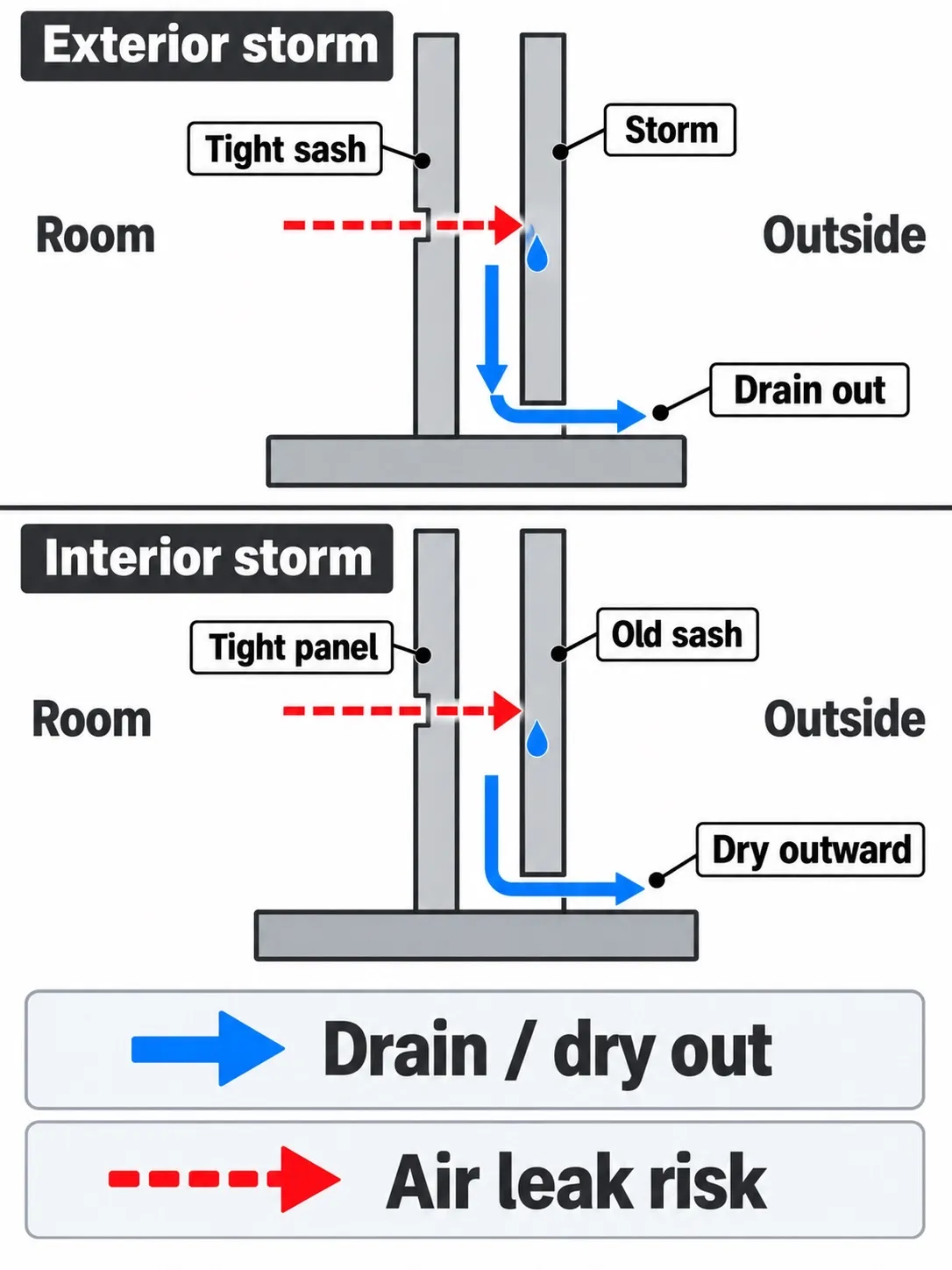
Keep the warm room-side layer tighter. Exterior storms need outward drainage; interior panels must limit humid room air reaching the colder original sash. The diagram is conceptual, not a sealing recipe.
Fog on an exterior storm in winter often means warm indoor air slipped past the primary sash. DOE describes that as usually an appearance issue, but pooling water, recurring heavy wetting, or failing paint on the original sash deserves a window contractor’s assessment. Do not caulk exterior weeps shut. For an interior storm, moisture can condense on the colder original sash; the National Park Service warns that making an interior seal durable and airtight is difficult in practice. Spring and fall can be especially troublesome. Ask the installer how the assembly will be checked for moisture after installation.
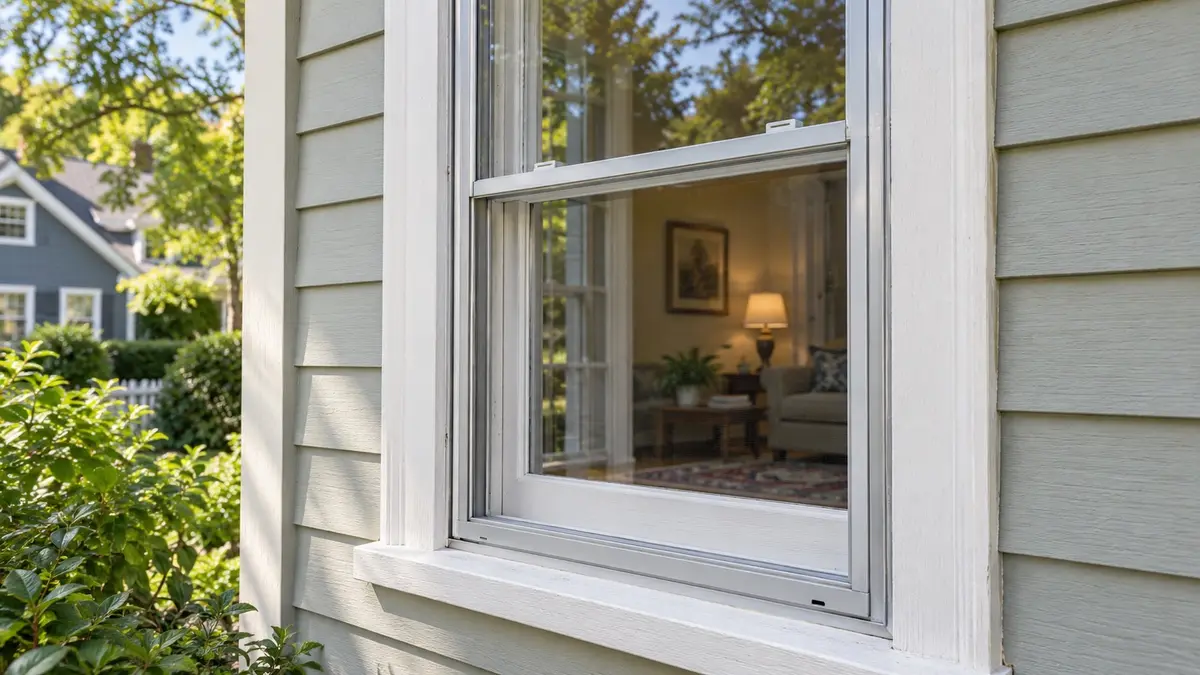
Exterior storms shield the original sash and are favored by the Park Service for historic wood windows where feasible. Match the meeting rail and trim color so the second frame does not obscure the original. Interior panels retain the exterior look and can suit unusual divided lights, but they leave the original sash exposed. Confirm cleaning access, screen changes, ventilation, and the way the two windows open together before signing.
When should you replace instead?
Replacement earns a closer look when decay is extensive, many sash cannot operate, or repeated insulated-glass failures accompany other defects. It can also deliver a different opening style, easier cleaning, or a compliant escape opening that a storm cannot create. If the main window is already a fairly efficient double-pane wood or vinyl unit in a mild climate, added storms may have too little benefit to justify their cost or appearance.
Water entry that requires opening the wall changes the job entirely. Ask a window contractor to identify the leak path and whether repair, an insert, or full-frame replacement addresses it. In a historic district, exterior changes may need local review; permits depend on jurisdiction. A restoration specialist can compare repairing original windows with replacement options without assuming all old wood is beyond saving.
For paid window replacement in pre-1978 housing, the EPA says its Renovation, Repair and Painting rule covers window replacement regardless of the square footage disturbed. Ask whether the firm has the required EPA or state lead-safe certification and how it will handle containment and cleanup. Owner-occupants working on their own homes generally fall outside the federal contractor rule, though lead-safe practices still matter and state rules can differ. See what to check before disturbing pre-1978 paint.
Bedroom escape openings must remain usable. Locally adopted residential rules determine the opening requirements, so ask the installer and building department to check the actual window. A storm that is hard to release or opens in the wrong way can undermine that function. DOE advises matching operator types where egress matters.
What should you look for on a storm-window label and estimate?
An ENERGY STAR certified storm is selected by its climate-region criteria for low-e, solar transmission, and leakage; the key product criteria distinguish northern and southern needs. The Attachments Energy Rating Council also rates attachments for cool-climate heating and warm-climate cooling improvement. Ask which actual product and glass specification a quote includes, not simply whether the salesperson says “energy efficient.”
Give the installer your window count, glass and frame types, heating fuel, photographs of drafts or wetting, and any historic restrictions. Ask what they inspected at the sill and sash, what repairs are included, how an exterior sill will drain or an interior storm will seal, and whether escape openings remain easy to operate. Get the answers and product warranty in writing. If a seller declares every window rotten without showing affected areas, or recommends storms over a visible frame leak, get another qualified window contractor’s assessment.
Frequently asked questions
Will storm windows cause my old wood windows to rot?
Not automatically. Exterior storm condensation is usually an appearance issue, but trapped or repeated water on wood needs investigation. Keep exterior sill drainage open; have a window contractor assess pooling water or paint failure. Interior storms need a durable room-side seal to reduce condensation on the colder original sash.
Are interior storm panels as effective as exterior storm windows?
They can provide comparable thermal benefit in some modeled scenarios, but the installation and moisture risks differ. Interior panels preserve the exterior appearance; their seal must remain tight. Exterior storms protect the original sash and need open sill drainage.
Is it worth adding storm windows over double-pane windows?
Sometimes. PNNL’s 2015 model supports low-e storms over clear metal-frame double-pane windows across zones 3–8. Over wood or vinyl double-pane units, it recommended them mainly for cold zones or costly heating fuel.
Can I still get a federal tax credit for storm windows or replacement windows?
The IRS says section 25C applied to qualifying property placed in service through 2025. Its window provision did not list storms, and neither option should be budgeted around a 2026 federal 25C credit. Check current IRS guidance and local utility or state programs before ordering.
Do storm windows block a bedroom window from being used as an emergency exit?
They must not make a required escape opening difficult to use. Ask the installer to demonstrate both window operations and check the locally adopted rule with the building department. A storm cannot make an undersized primary opening compliant.
Why is there condensation between my storm window and my regular window?
With an exterior storm, indoor air may be leaking past the primary sash into the cooler space. With an interior panel, a poor room-side seal can allow indoor moisture to reach the cold primary glass. Identify which surface is wet, then have a window contractor assess persistent pooling or wood damage before adding sealant.
Sources
- PNNL — Energy Savings of Low-E Storm Windows and Panels across US Climate Zones
- PNNL — Evaluation of Low-E Storm Windows in the PNNL Lab Homes
- DOE Building America Solution Center — Low-E Exterior Storm Windows
- DOE Building America Solution Center — Interior Storm Windows and Panels
- ENERGY STAR — Storm Windows
- ENERGY STAR — High Performing Windows or Storm Windows
- ENERGY STAR — Storm Windows Key Product Criteria
- National Park Service — Preservation Brief 9: The Repair of Historic Wooden Windows
- National Trust for Historic Preservation — Saving Windows, Saving Money
- U.S. EPA — Renovation, Repair and Painting Program: Contractors
- IRS — Energy Efficient Home Improvement Credit
- Attachments Energy Rating Council — Frequently Asked Questions