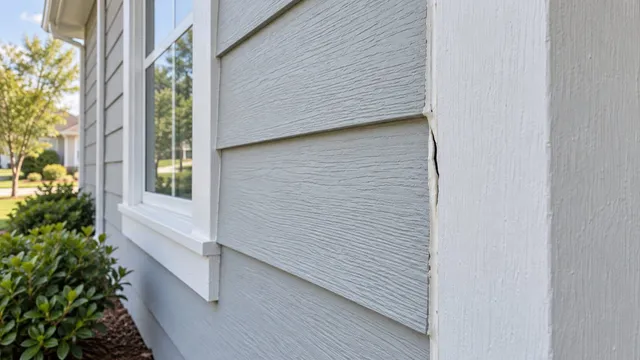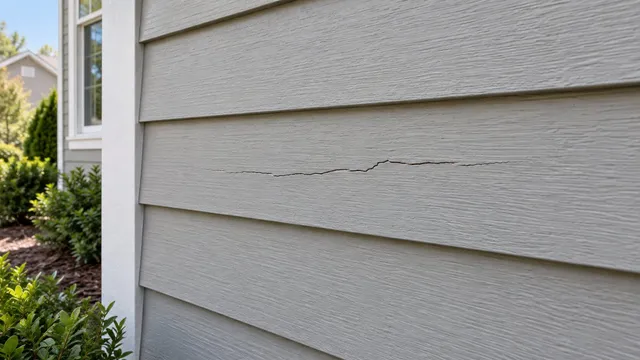
Cracked Fiber Cement Siding: When a Patch Is Enough and When Boards Need Replacement
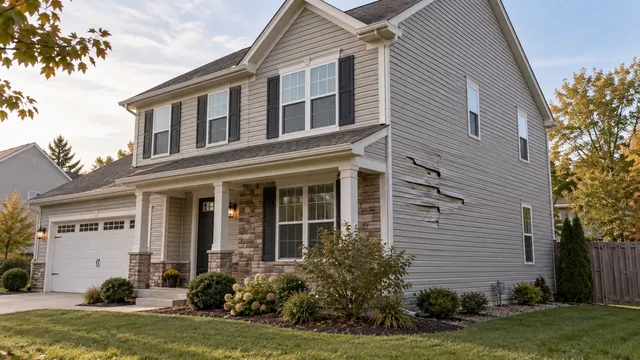
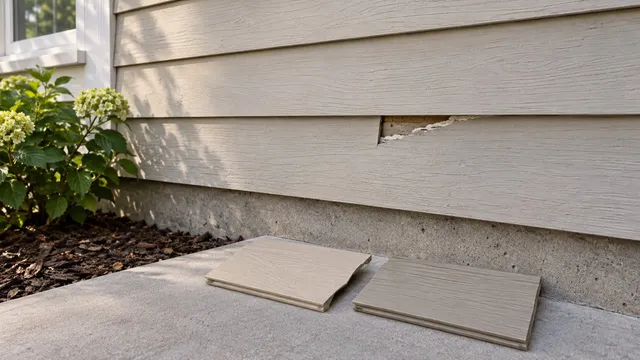
The visible crack width alone cannot tell you whether filler will hold. Board integrity, the exact product and finish, and the reason it cracked all matter.
Siding protects the structure behind it, so cracks, gaps, and moisture problems matter more than they look. These articles compare vinyl, fiber cement, wood, and other materials, explain how to spot damage early, and help you weigh repair against replacement.
The visible crack width alone cannot tell you whether filler will hold. Board integrity, the exact product and finish, and the reason it cracked all matter.
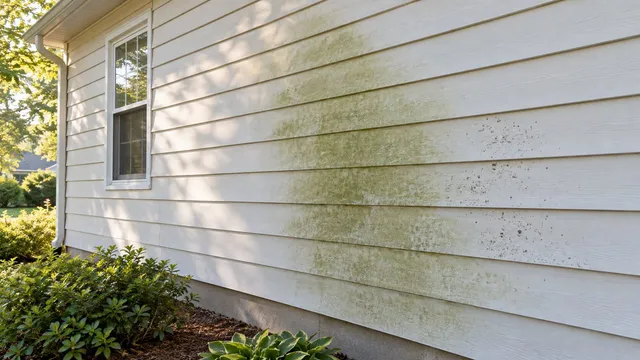
Before reaching for bleach or a pressure washer, identify the siding and its finish. A small dry test and a clear stop point protect more than an aggressive cleaning recipe.
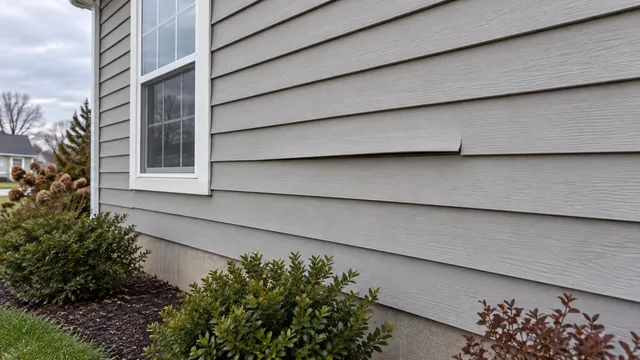
A panel that keeps rattling or lifting needs its connection and supporting wall checked. The visible piece may be reusable, but a quiet repair alone proves little.
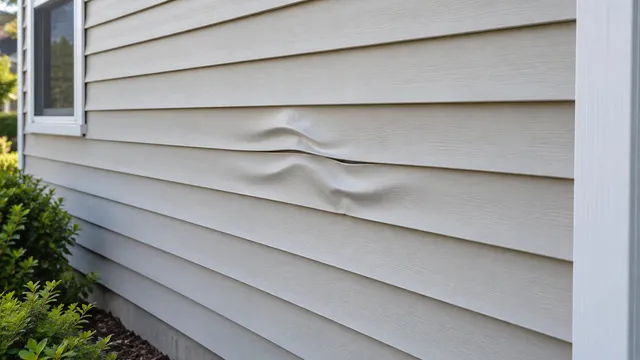
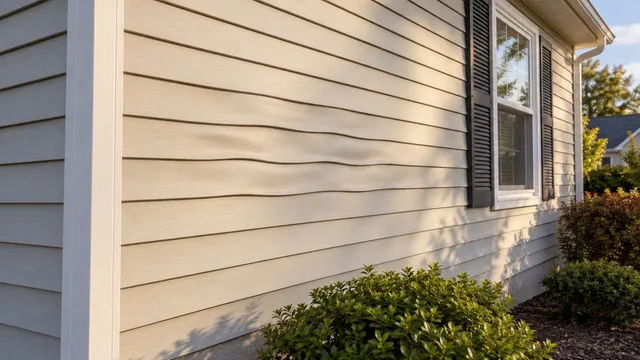
When only one patch of vinyl looks wrinkled, replacing it without understanding the exposure may set up another repair. Start with safe observations and a written cause-and-repair plan.
Conflicting siding quotes often assume different repair boundaries. Separate visible damage, the access needed to fix its cause, and the extra work you might choose for appearance.
Finding a similar color is only one part of a small siding repair. The replacement must fit the existing assembly, and you get to decide what appearance is acceptable.
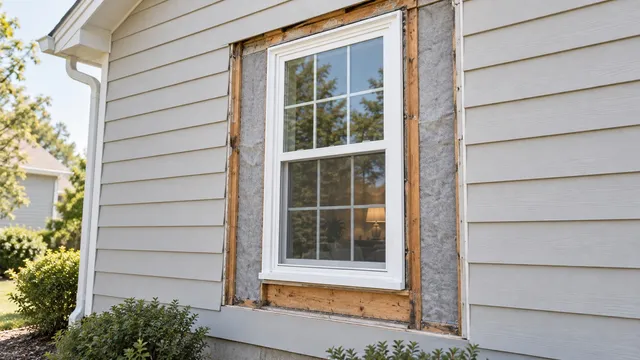
A neat trim joint tells you little about the concealed opening. Before new siding covers it, identify what stays and how the window connects to the wall drainage layer.
A split bead or open seam is not a universal caulking job. Identify the joint and the siding system before deciding whether it should be sealed, left open, or investigated.
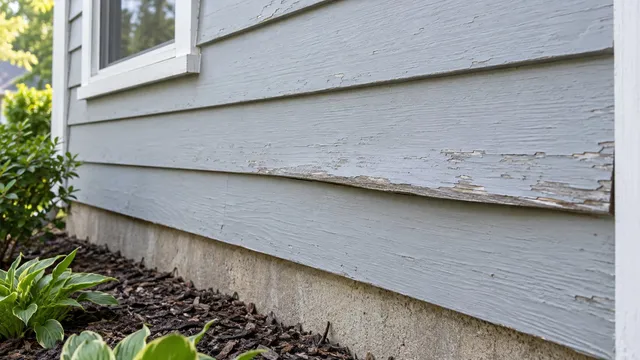
A swollen edge can mean a wet board; it cannot show whether the wall behind it is sound. The water source and the condition of each layer shape the repair.
A wave in vinyl siding is a clue, not a diagnosis. Its location, timing, and the condition beneath it determine whether a panel repair will last.