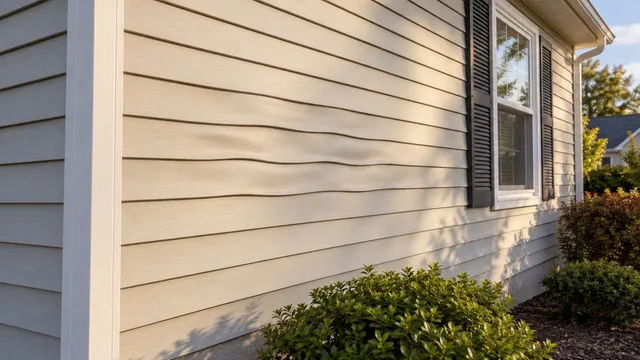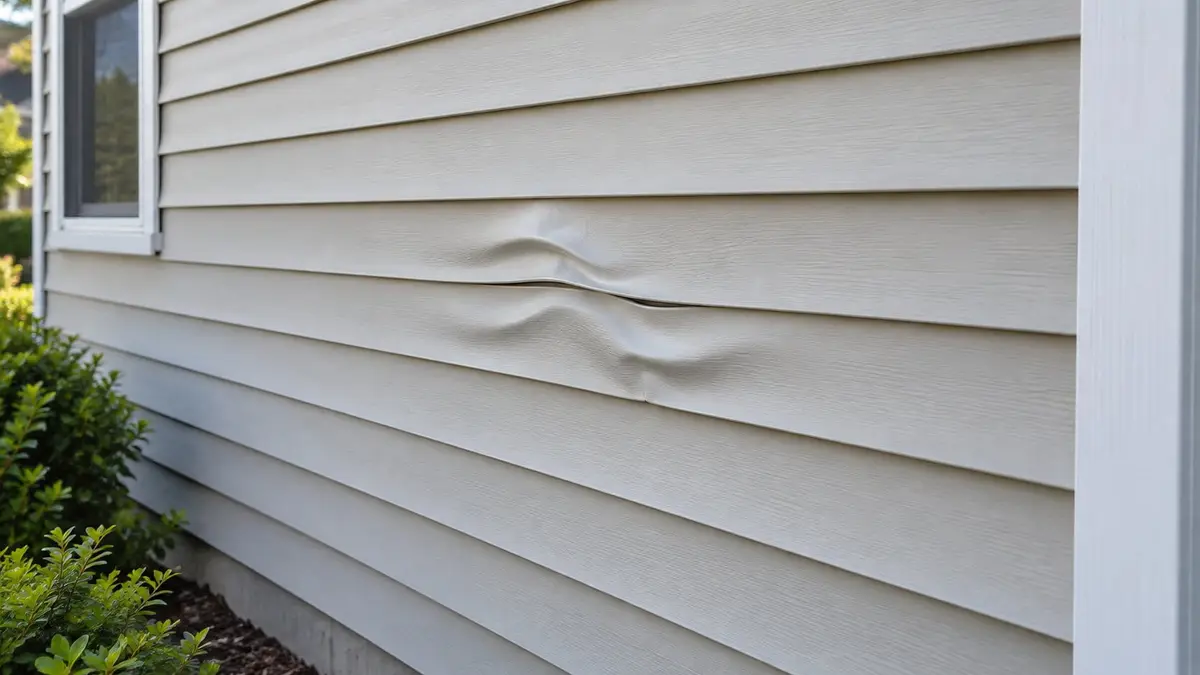
One small track of wrinkles can make a whole wall look damaged, especially when the courses around it remain straight. It is tempting to buy the same panels and move on. If the light path or another source of heat remains, however, a new patch may face the same conditions.
There is no reliable national price for this specific repair. The cost depends on which panels and trim need work, whether the wall is open to water, and whether a window or shading change is part of the solution. Separate those items in estimates before comparing totals.
Can reflected sunlight melt one section of vinyl siding?
Yes. Lawrence Berkeley National Laboratory’s 2011 review describes how reflected solar energy can contribute to permanent vinyl distortion. A curved reflecting pane can concentrate light on a limited area. A siding surface can also get much hotter than the surrounding air. So a cool forecast does not rule out a heat-related patch.
“Melted-looking” is a description of shape, not a field diagnosis that the vinyl literally melted. A photograph cannot identify the reflecting window, a failed glass seal, defective siding, or an installation error. The same inspection should consider ordinary panel movement restrained by fastening or trim, nearby heat-producing equipment, and more than one contributing condition. For the broader installation question, see why vinyl siding buckles.
Could the reflection come from your own window?
Yes. A pane across a gap may reflect toward an opposite wall. A pane around an inside corner can send light onto another wall of the same house, sometimes adding to direct sunlight. Cardinal Glass’s technical bulletin discusses both arrangements and includes an inside-corner example with clear, uncoated glass. A low-emissivity, or low-e, coating is therefore not required in every case.
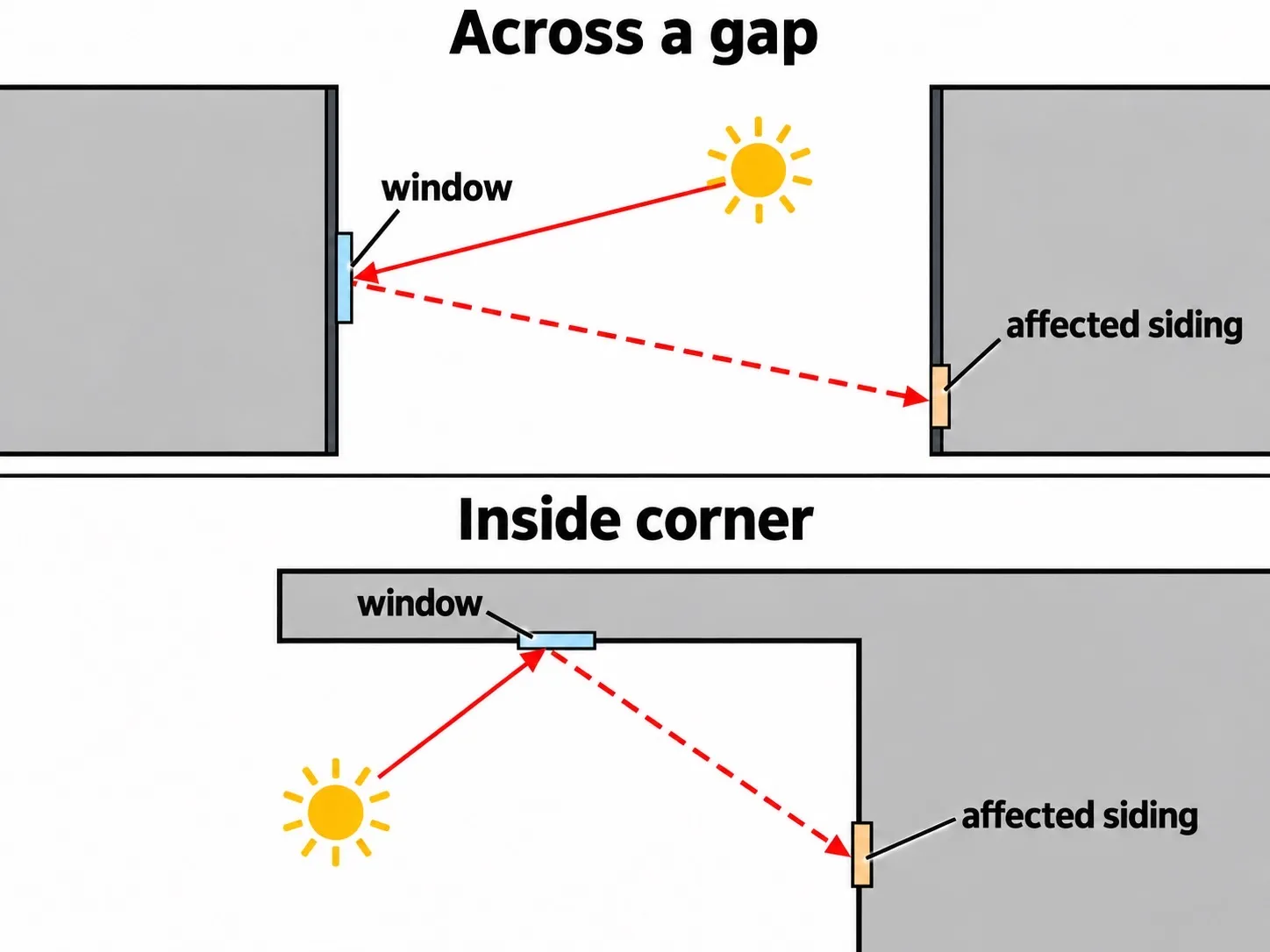
These two layouts show where to look from safe ground. They are diagrams, not a test of which window caused a particular patch.
Siding color, profile, surroundings, wind, duration, and installation may also matter. Neither a dark color nor a premium panel label establishes that the material will resist a concentrated reflection. There is no universal thermometer reading or safe distance that will diagnose your wall.
What should you record without testing the heat yourself?
Start with a whole-wall photo and a zoomed view of the patch from a comfortable spot on your property. Note the date, time, weather, affected courses, and when you first noticed the change. If a bright patch is naturally visible from that position, record where it falls relative to the distortion. Do not move into the beam or look toward a bright reflection to trace it.
Use a short log rather than one supposed “hot” reading:
| Date and time | What was safely visible | Context to keep with the photo |
|---|---|---|
| Your observation | Light patch location, if visible from safe ground | Weather, shade, photo name, wall area |
| Earlier history | First damage or previous repair date | Window, screen, tree, or fixture changes |
You do not need to recreate the event. A cloudy day, different season, or a missed hour does not prove the reflection never reaches that spot. The Polymeric Exterior Products Association’s solar-reflection guidance explains why season, window changes, and removed obstructions matter. A new window, missing screen, or removed tree is a useful timeline fact; it is not proof of fault.
Record any earlier panel replacement and whether distortion returned in the same location. Note nearby grills, equipment, or vents without going near an outlet to test it. Avoid touching the surface, holding an object in the light, spraying water, redirecting light with a mirror, or trying a heat gun. Those experiments do not give a reliable diagnosis and can create a hazard. If the light path remains unclear, the siding and glazing professionals can plan an appropriate site observation.
What should the inspection check besides the reflection?
Ask a siding contractor familiar with localized vinyl distortion to inspect both the affected material and its installation. The Vinyl Siding Institute installation manual explains that vinyl must be attached while retaining the movement allowed by its product instructions. A tight fastener, crowded panel end, locked trim, or damaged backing can affect how a panel behaves. The contractor needs the actual product guidance and a site inspection to determine whether any of those conditions is present.
Have the contractor identify the product, the damaged courses, panel locks, trim, fastening relationship, and wall condition. Ask for photos of any concealed condition that must be opened to assess. A brief mention of “sun damage” should not replace an explanation connecting a plausible light path to the specific area and timing. Proximity to a window by itself is weak evidence. If the window is implicated, involve its manufacturer or a qualified glazing professional to evaluate compatible changes.
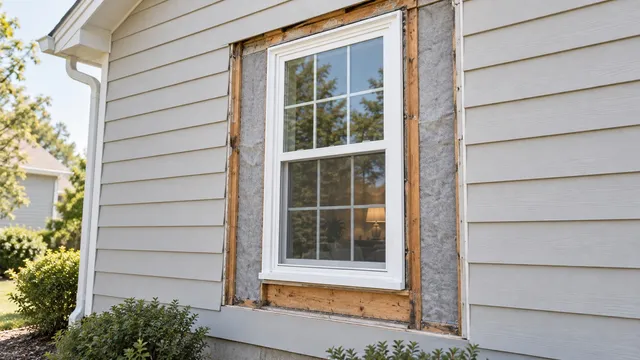
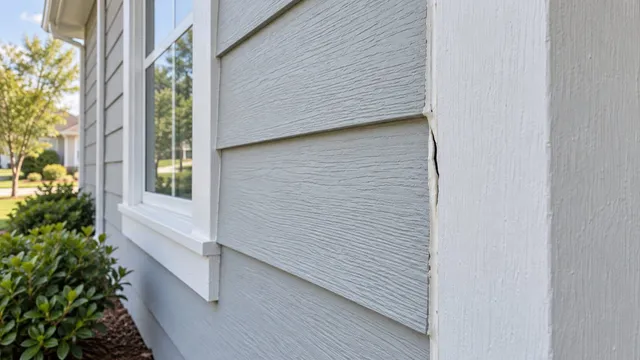
A separate heat source deserves its own specialist. An appliance service professional should assess a suspected appliance outlet or equipment fault; do not alter a vent yourself. If siding has separated, backing is visible, or water appears inside, have a siding contractor or building-envelope specialist assess the opening and arrange suitable protection promptly. Distortion alone proves neither rot nor a leak. For smoke or flames, leave and call emergency services before collecting more photos.
A second site opinion is useful if the first proposal calls for a new window or whole-house siding without documenting the cause, alternatives, and condition of the surrounding wall.
Which changes could keep the damage from returning?
First ask what light path the proposed change is supposed to interrupt. The association’s 2026 statement discusses screening, shade, and interception as prevention concepts. Cardinal’s bulletin describes why a qualified glazing professional needs to assess each site: coverage, orientation, and other sources of heat can affect the outcome. No unnamed screen, shrub, film, or replacement cladding carries a guaranteed result.
| Proposed approach | Intended change | What needs checking |
|---|---|---|
| Compatible exterior screen | Alter light leaving the glass | Window fit, coverage, view, manufacturer approval |
| Site-specific shade or obstruction | Interrupt the relevant path | Seasonal coverage, access, upkeep, local approvals |
| Film on glass | Change reflection from that pane | Exact film, glass compatibility, warranty, performance plan |
| Different window or cladding | Change a material in the affected path | Product-specific evidence, scope, appearance, permissions |
Ask how the installer will check the result under comparable site conditions after the change. An upper-story light path may not be intercepted by a young shrub. The plan should include follow-up monitoring of the repaired area.
Why does a film recommendation need a window-specific check?
“UV blocking,” “tint,” and “anti-glare” describe different marketing features and do not prove control of an exterior reflection. Request the exact film name, intended placement, written compatibility with the glass and frame, installation requirements, and the window maker’s position on warranty effects. Andersen cautions against reflective or decorative films on its products because of heat buildup and possible glass damage. Pella’s warranty FAQ discusses defects contributed to by tinting. These are product-specific cautions, not a universal ban or approval.
If a neighboring window may be involved, share dated observations and the professional’s findings neutrally. The owner must agree before anyone changes that property. Keep the technical plan separate from who may pay; an insurer or qualified local adviser can address a disputed policy or responsibility question. Do not assume either the neighbor or your homeowners insurance owes for the work.
Should you replace just the damaged panels?
Possibly. The Vinyl Siding Institute manual describes individual panel replacement, but the contractor must first establish that compatible panels, profile, and trim are available and that the wall can be repaired soundly. A melted-looking panel is not restored by reheating, flattening, filling, or painting it. Ask for the siding maker’s accepted replacement method.
Separate the work into three possible scopes: controlling a verified exposure; replacing deformed cladding; and repairing any underlying damage actually found. If the wall is opened while a window intervention is pending, the contractor should explain its weather-protection plan. If the repair reaches a window opening, flashing and siding work around windows need to be coordinated. If the original color or profile is unavailable, matching a few replacement siding panels is another decision, not proof that every wall needs replacement.
Ask whether a wider replacement is proposed because more panels are physically damaged, because a match is unavailable, or because you prefer a uniform appearance. Those are different reasons. Judging whether one wall or the whole house needs siding work begins with the documented extent and condition. A localized heat patch does not itself settle that larger choice.
What should the written estimate and warranty review include?
Request separate lines for the inspection findings, proposed exposure control, siding and trim, any documented wall repair, access, finish matching, cleanup, and follow-up observation. Name who coordinates the window and siding work. Keep the pre-repair photos, original product records, prior repair invoices, and applicable warranties before material is discarded.
Coverage is product- and date-specific. The Mastic SolarDefense warranty compilation includes limited heat-distortion coverage for named products under stated conditions and exclusions. It cannot decide your claim. Ask the manufacturer to identify the warranty that applied when your siding was purchased or installed, its claim steps, and its written determination before proceeding with changes that could affect evidence.
Compare quotes by what each proposes to correct and how it will verify the result. A cheap panel-only price and a window-plus-wall proposal answer different questions. If a contractor cannot explain how the suspected exposure will be handled, get another assessment before authorizing new panels.
Frequently asked questions
Does this damage prove the insulated window has a failed seal?
No. The Berkeley review explains that pressure and temperature can change glass curvature and also describes other possible causes of deflection. Siding damage alone does not identify a seal failure. A qualified glazing professional and the window manufacturer can assess the actual glass unit if its condition matters to the proposed fix.
Would indoor blinds or curtains stop the reflection outside?
Usually no. Indoor coverings do not intercept the outward reflection described in Cardinal’s window-path discussion; the relevant glass surface depends on the window and light path. Have a qualified glazing professional assess that window before treating a blind or curtain as an exterior-reflection control. For a separate indoor overheating problem, see options for an afternoon-overheating room.
What about the view through a full exterior screen?
Ask to see a physical sample or a comparable installed example and discuss daylight, view, maintenance, and how much glass the screen must cover. A smaller screen that preserves the view may miss the relevant seasonal path. A glazing professional should explain the tradeoff for your window.
If some glare remains, is the siding still at risk?
Glare alone cannot answer that. Visible brightness and total energy reaching the siding are different measures, and material and site conditions also matter. Ask the professionals how they will evaluate the modified exposure and monitor the repaired area without promising that every remaining reflection is harmless.
Sources
- Lawrence Berkeley National Laboratory — Research Needs: Glass Solar Reflectance and Vinyl Siding
- Cardinal Glass Industries — Vinyl Siding Distortion
- Polymeric Exterior Products Association — Understanding Concentrated Solar Reflection
- Polymeric Exterior Products Association — The Effect of Concentrated Sunlight on Polymeric Siding
- Vinyl Siding Institute — Vinyl Siding Installation Manual
- Andersen — Can I Apply Film to Glass on Andersen Windows or Patio Doors?
- Pella — Window and Door Warranties
- Mastic — Warranty and Care Information