Hail Hit Your Roof but It Isn’t Leaking: Do You Still Need an Inspection?
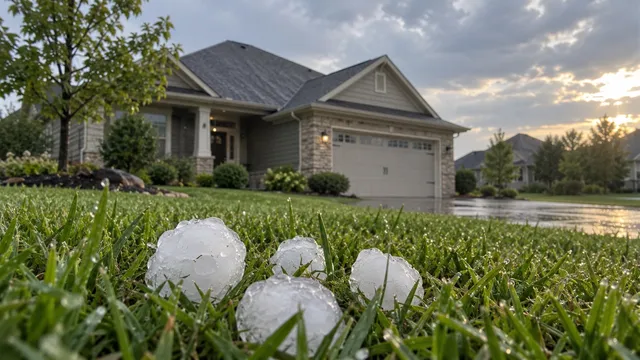
Hail can leave a roof dry today while damaging exposed materials. First establish what hit your property, then decide how soon a qualified roofer should inspect the roof.
Your roof is the most important layer of protection your home has, and problems often go unnoticed until water shows up inside. Learn how long different roofing materials last, how to spot leaks and storm damage, what inspections involve, and how to approach repair-versus-replace decisions.
Hail can leave a roof dry today while damaging exposed materials. First establish what hit your property, then decide how soon a qualified roofer should inspect the roof.
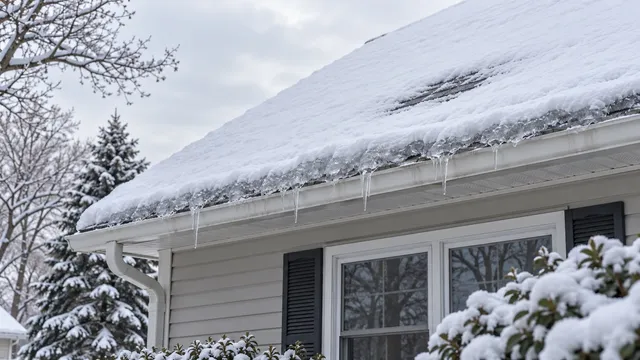
Raking, heat cables and a new roof may reduce damage while the eave still freezes. A lasting plan starts with finding where the roof gets warm.
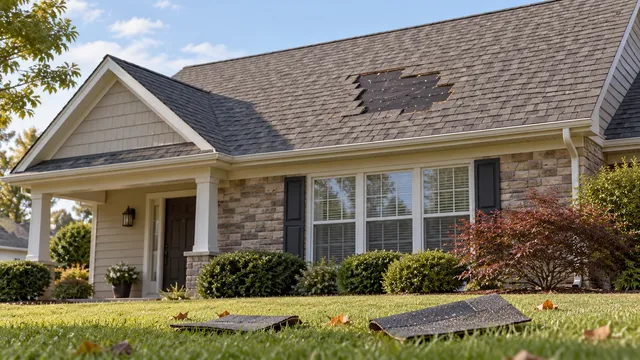
A bare patch shows where the roof lost its first line of defense. The larger decision is whether the shingles still in place will hold through another storm.
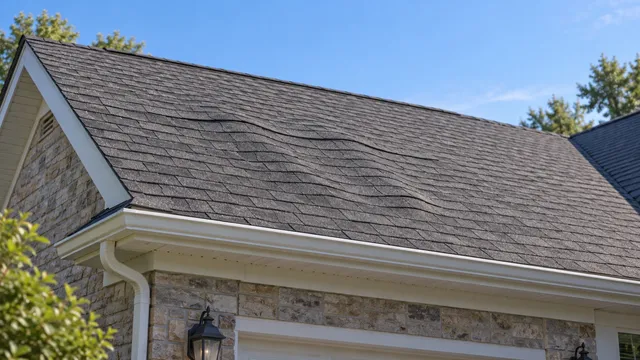
New shingles reveal the shape of the layers beneath them. The direction and spacing of the waves help you decide whether to document, monitor or ask for a closer inspection.
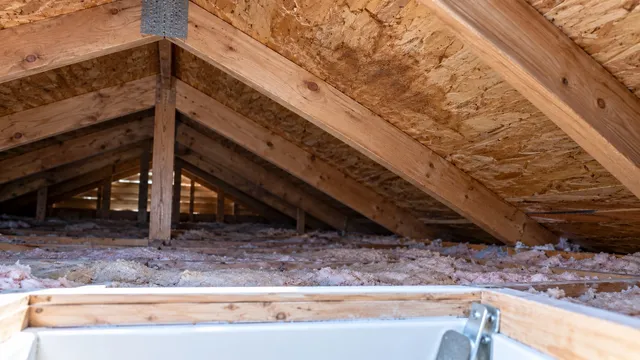
Water under the roof deck does not always mean water passed through shingles. A weather log and the shape of the wet area can narrow the source before anyone proposes a reroof.
A new layer of shingles can save removal work. First find out whether your roof qualifies, what stays hidden, and which work each proposal includes.
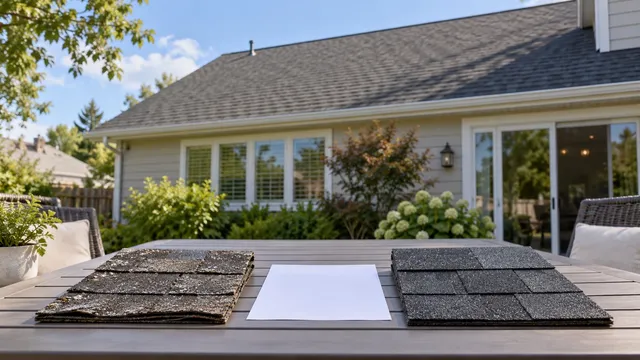
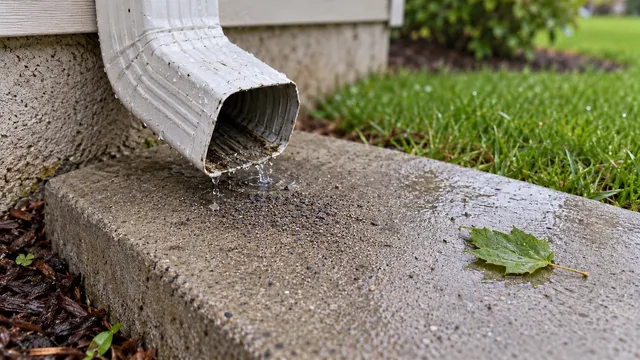
Grit at a downspout is one clue, not a diagnosis. The change from your roof's usual shedding and what happened before it matter most.
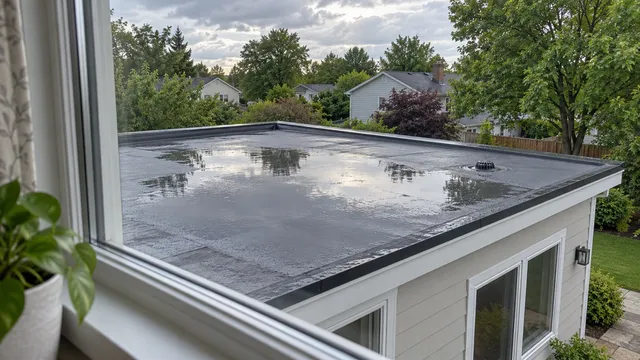
A puddle on a low-slope roof is not automatically a failed roof. Its timing, location and any change in the roof or ceiling tell you how quickly to call.
Three roof bids, three prices, and no clear reason for the gap? Compare the same roof area, layers, deck plan, water details and warranty terms before choosing.
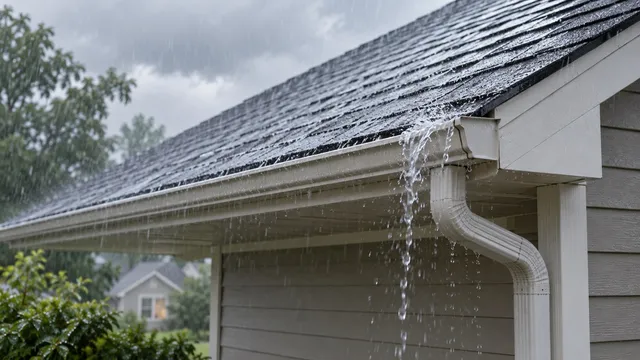
A ceiling stain after a downpour does not prove the shingles failed. Rain volume, wind direction, and the delay before dripping help show which details need investigation.