


Plumbing
Brown Water From Hot Taps Only: What to Check Before Replacing the Water Heater
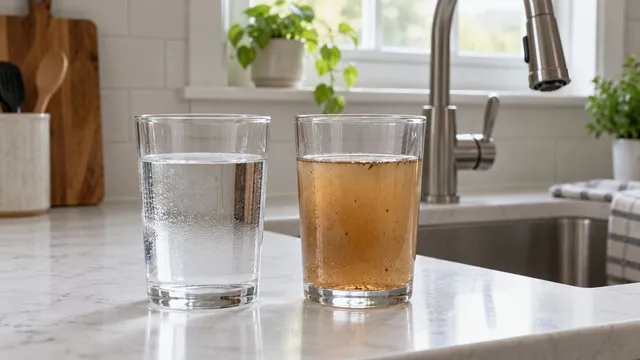
Hot-only discoloration narrows the path but does not prove the tank is failing. A few comparisons show whether the source is the supply, tank, or hot piping.
Plumbing problems rarely wait for a convenient moment. This section covers the leaks, clogs, water heater issues, and fixture repairs homeowners run into most, explains what is usually behind them, and helps you decide what is reasonable to handle yourself and when a licensed plumber is the safer call.
Hot-only discoloration narrows the path but does not prove the tank is failing. A few comparisons show whether the source is the supply, tank, or hot piping.
If the first shower stays hot but the second goes cold, the clue differs from water that starts lukewarm. Record the pattern before replacing a heater.
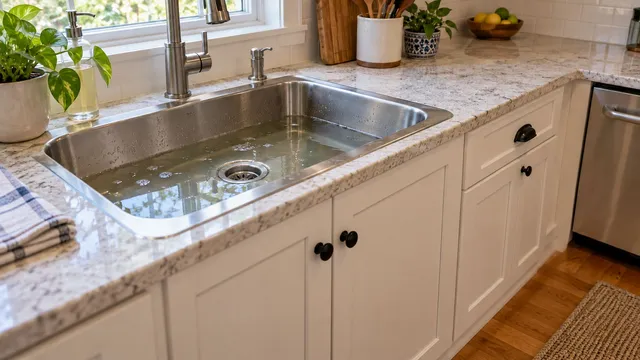
The sink drains after snaking, then slows again. Find out whether the problem is in the kitchen branch and what an inspection should actually show.
Before blaming the utility or replacing pipes, note which fixtures changed, which temperature is weak, and when the change began.
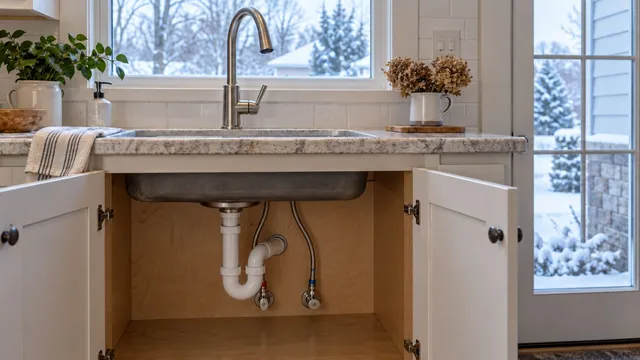
A single dry faucet points to a local branch or fixture. Learn the safe checks, where thawing stops, and what to inspect when water returns.
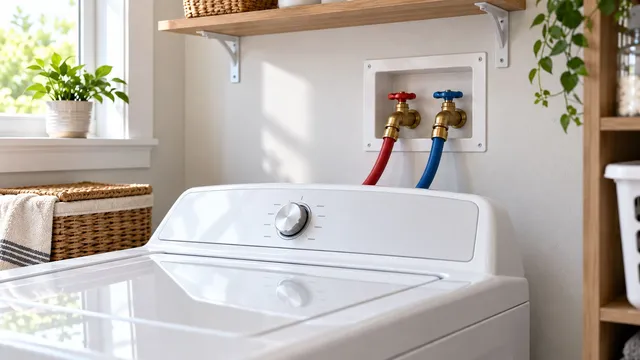
The instant the washer stops filling, a pipe strikes something in the wall. The sound's timing tells you whether to investigate the water supply or the machine.
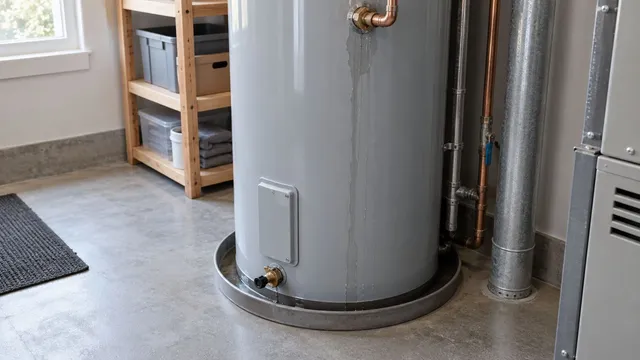
Water at the base does not prove the tank has failed. Trace where it starts, then weigh the part, tank condition, warranty, and replacement scope.
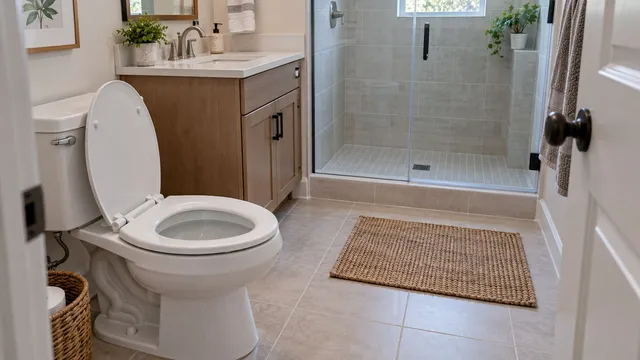
The shower is running and the toilet bowl bubbles. The toilet is usually reporting a pressure problem elsewhere in a shared drain or vent, not asking to be replaced.
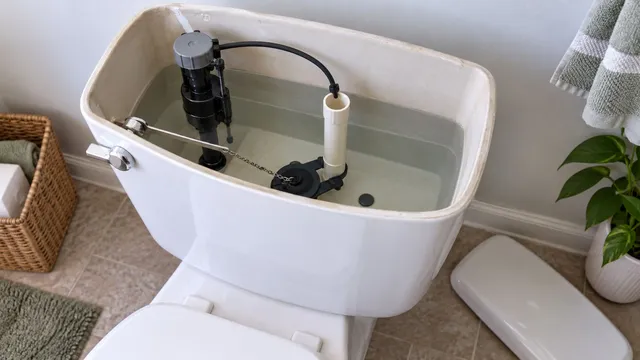
That brief rush of water in an empty bathroom is a clue, not a mystery flush. The tank's water level and two simple tests show where to look.
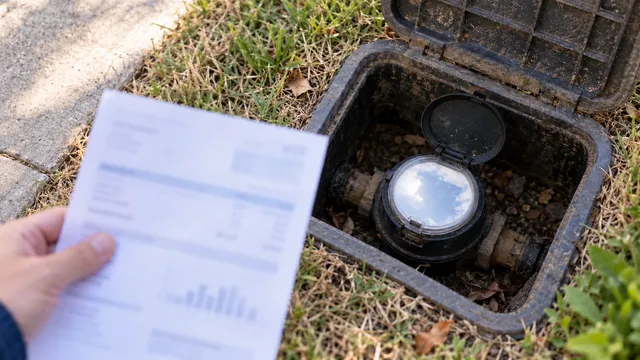
Your bill jumped, but the floors and fixtures look dry. A few checks can show whether water is moving now and whether the problem is inside or outside the house.