

Lawn Care & Landscaping
Core Aeration or Dethatching: Which Does Your Struggling Lawn Need?
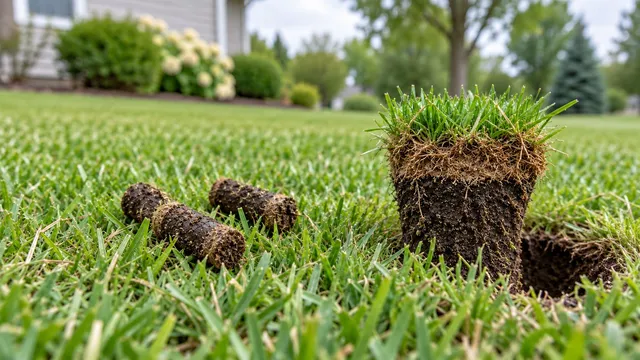
A thin or spongy lawn doesn't prove it needs a service. Two small checks can separate an organic thatch layer from compacted soil.
A healthy yard is mostly about timing and consistency. This section covers seasonal lawn care, watering and mowing habits, drainage and grading around the house, planting choices, and landscaping decisions that protect your home as well as improve it.
A thin or spongy lawn doesn't prove it needs a service. Two small checks can separate an organic thatch layer from compacted soil.
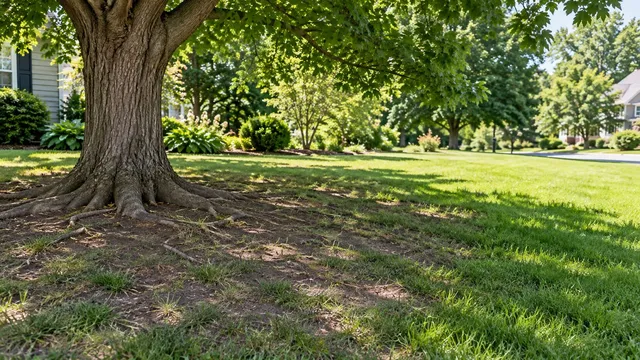
If grass comes up in spring and disappears by summer, another bag of seed may only repeat the cycle. Check the site before deciding what belongs there.
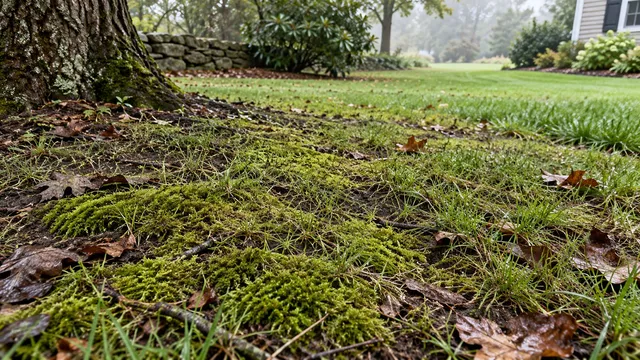
Moss fills gaps where grass struggles. A soil test can show whether acidity is part of the problem, but the location of the moss gives other clues first.
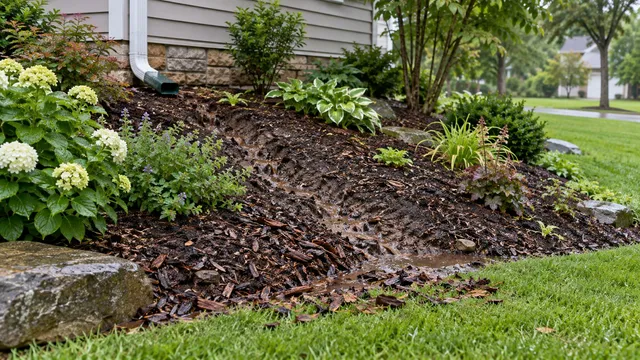
Another load of mulch will move if the same stream keeps crossing the bed. Watch one storm safely, then choose a fix for the water and the soil.
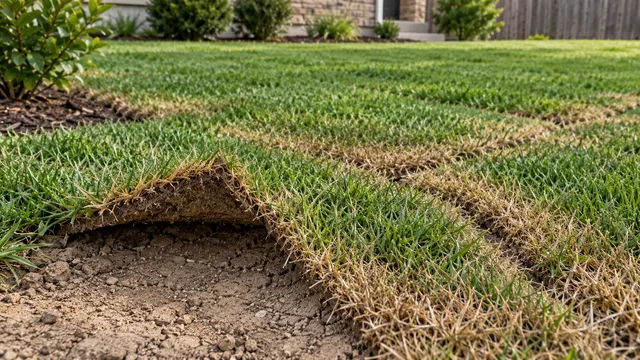
Brown seams, sprinkler-shaped patches and whole failing pallets point to different problems. Check the soil under a lifted corner before changing the timer.
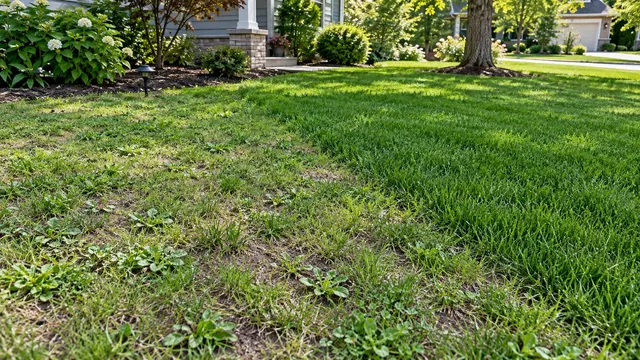
The percentage of grass left matters, but the kind of weeds and the reason the lawn thinned can overrule it. Make the decision zone by zone.
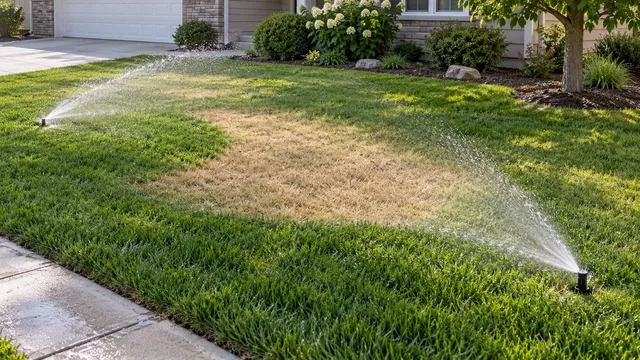
A running sprinkler can look as though it covers every blade. Compare what reaches the brown area before giving the entire zone more minutes.
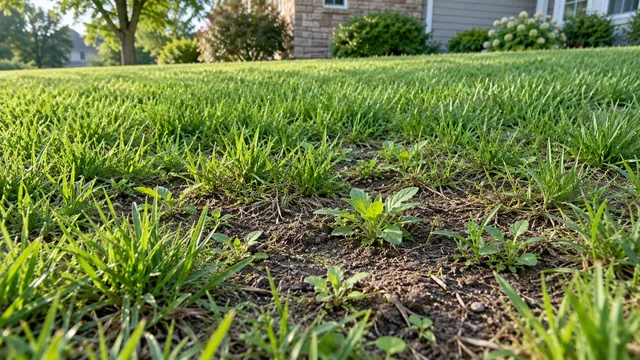
If a treatment clears weeds but leaves bare soil, the next generation has an opening. The location and life cycle of the returning weeds point to what to fix.
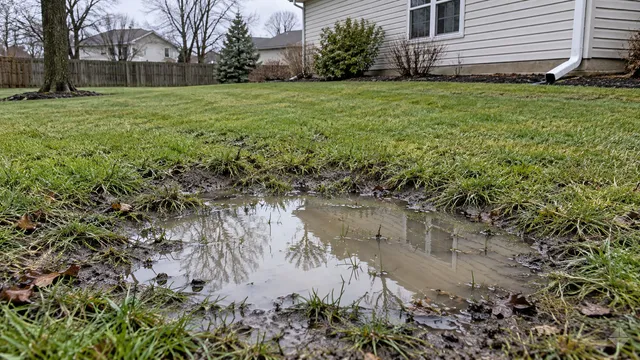
How long the mud lasts and where it appears tell you more than the size of the puddle. A dry-weather wet spot needs a different response from rainwater trapped in clay.
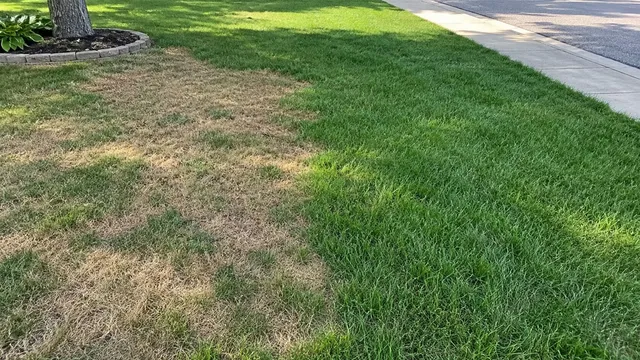
A brown patch doesn't tell you which product to buy. Its roots, watering coverage and seasonal pattern can tell you what to check next.