

Flooring
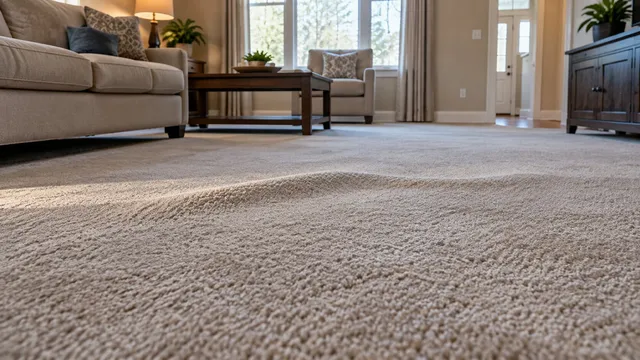
Carpet Has Ripples and Bubbles: When Restretching Makes More Sense Than Replacement
A wave across the room may be a fit problem. Before paying for a restretch or new carpet, find out which installation and layers are involved.
Floors take more daily wear than any other surface in a home. Learn how hardwood, laminate, vinyl, tile, and carpet compare, what installation really involves, how to handle common repairs, and how to keep each type looking good for years.
A wave across the room may be a fit problem. Before paying for a restretch or new carpet, find out which installation and layers are involved.
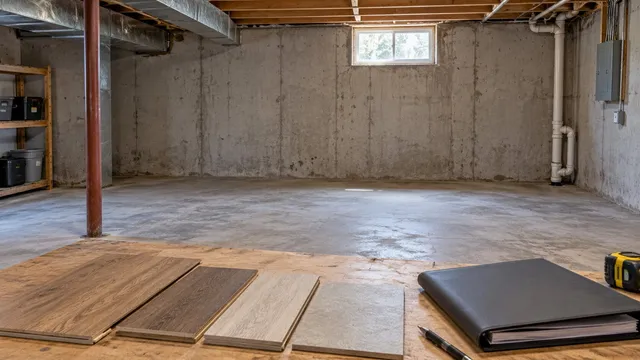
A dry-looking basement slab is not an installation approval. Find out which moisture conditions matter and what the flooring proposal must document.
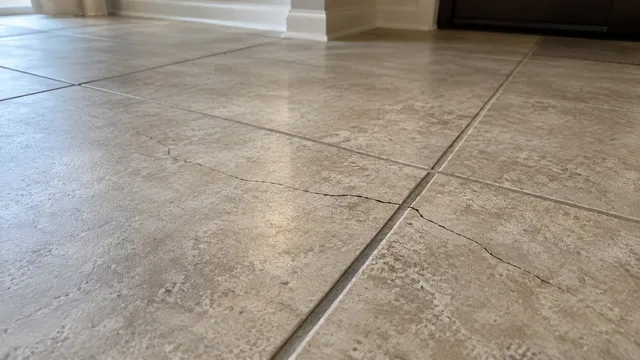
A repeat crack is a reason to investigate the supporting assembly. The tile shows where the damage surfaced, not necessarily where it began.
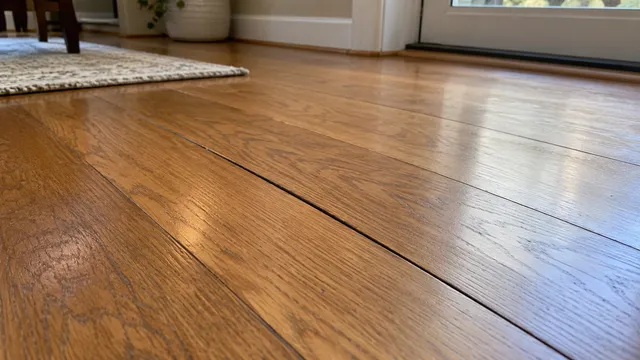
A close-up of one gap cannot tell you whether the floor is failing. Its location, history, and indoor conditions make the difference.
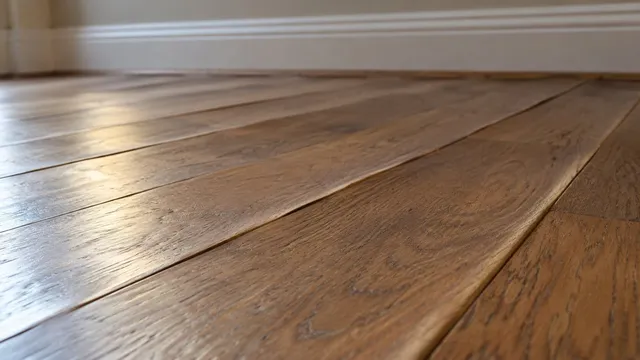
Raised board edges invite a quick sanding fix. The moisture source and the condition beneath the finish have to be understood first.
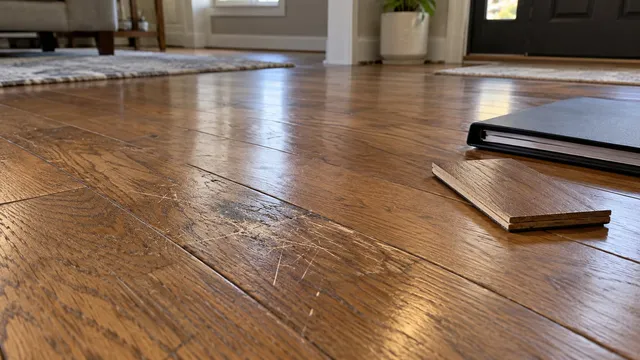
A worn hardwood floor may need less than replacement—or more than a cosmetic sanding. The decision depends on sound boards, remaining wood, and the result you want.
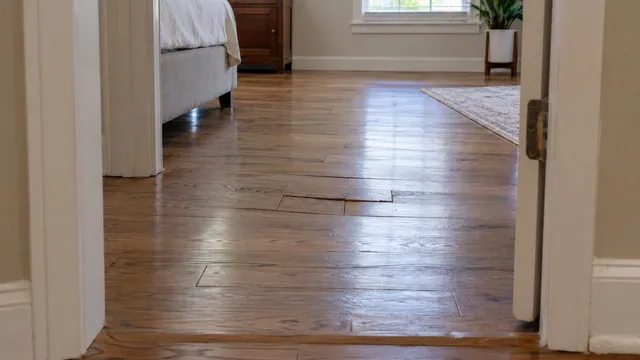
The area that feels soft is not always the layer that failed. Locate the movement before replacing the visible floor or paying for a hidden repair.
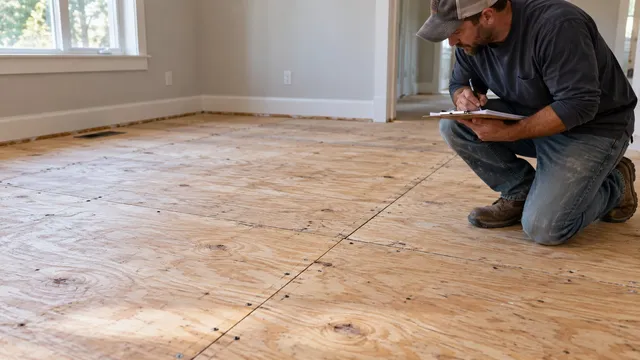
New flooring can hide a squeak without solving the moving connection beneath it. Use the removal stage to find the source and confirm the new floor's requirements.
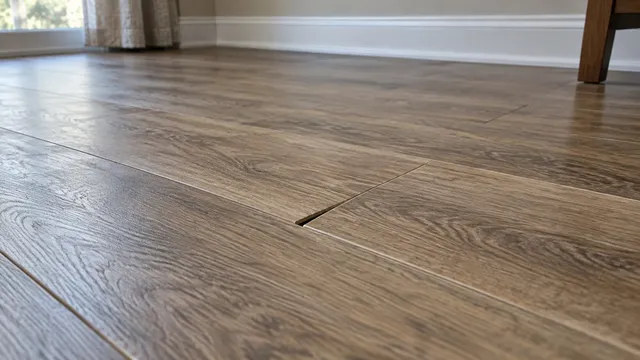
Closing an open seam does not explain why it returned. The next repair should start with the exact product and the layers supporting it.
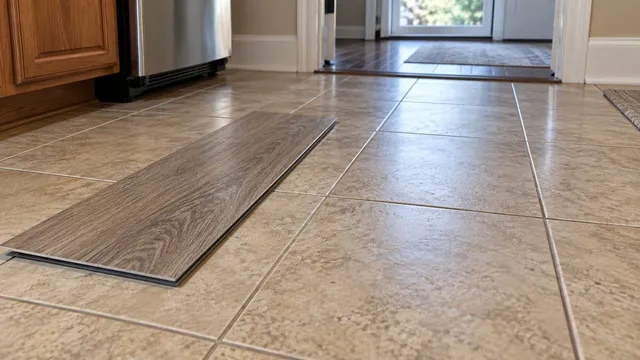
Skipping tile removal can simplify a project only when the chosen plank accepts the base and the finished floor still fits doors, appliances, and adjoining rooms.