
Roofing
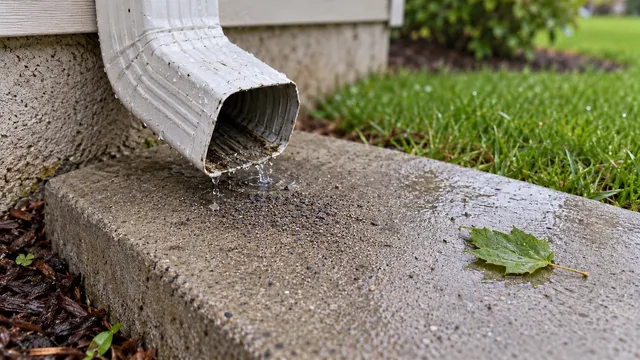
Shingle Granules in the Gutters: Normal Shedding or a Roof Warning Sign?
Grit at a downspout is one clue, not a diagnosis. The change from your roof's usual shedding and what happened before it matter most.
Page 4 of 9
Grit at a downspout is one clue, not a diagnosis. The change from your roof's usual shedding and what happened before it matter most.
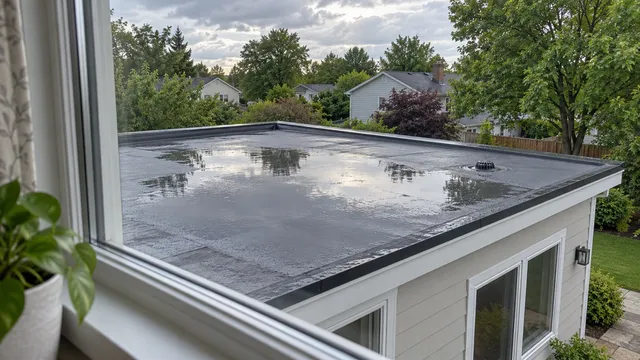
A puddle on a low-slope roof is not automatically a failed roof. Its timing, location and any change in the roof or ceiling tell you how quickly to call.
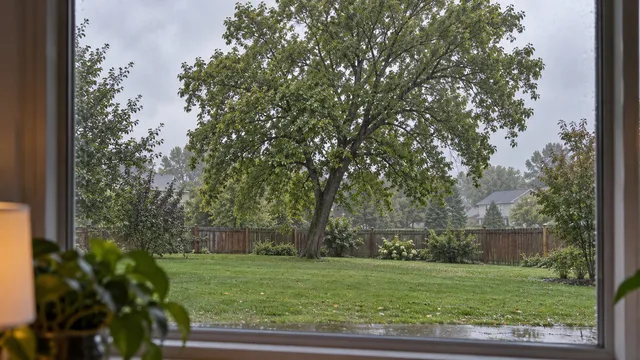
A tree can look leafy and intact after a storm while its anchorage has changed. Use what you already know about its position and surroundings to request the right assessment.

Three roof bids, three prices, and no clear reason for the gap? Compare the same roof area, layers, deck plan, water details and warranty terms before choosing.
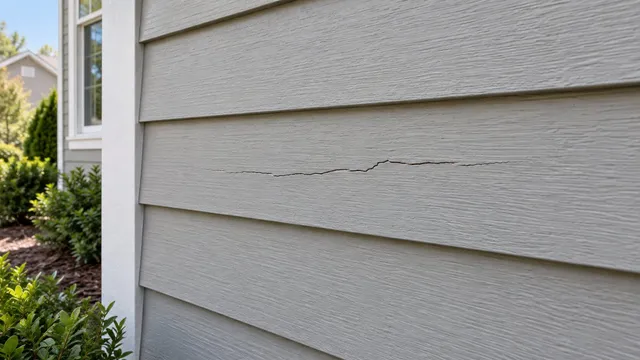
The visible crack width alone cannot tell you whether filler will hold. Board integrity, the exact product and finish, and the reason it cracked all matter.
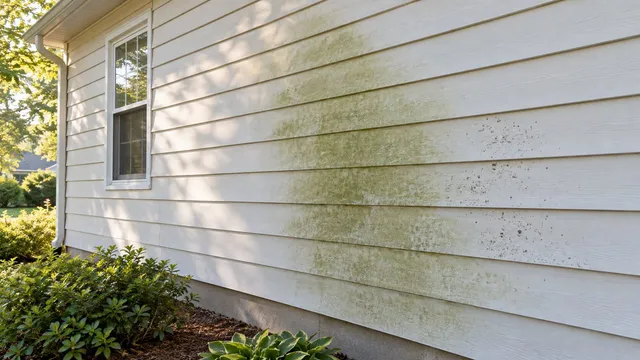
Before reaching for bleach or a pressure washer, identify the siding and its finish. A small dry test and a clear stop point protect more than an aggressive cleaning recipe.
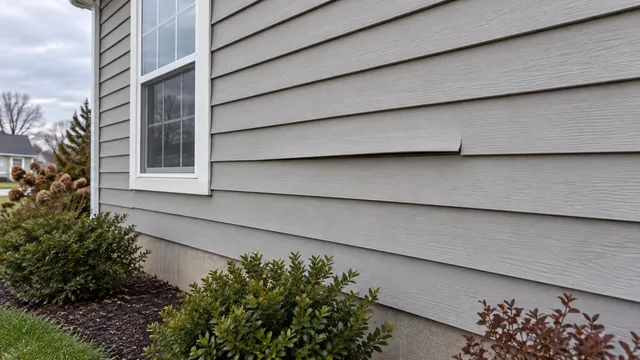
A panel that keeps rattling or lifting needs its connection and supporting wall checked. The visible piece may be reusable, but a quiet repair alone proves little.
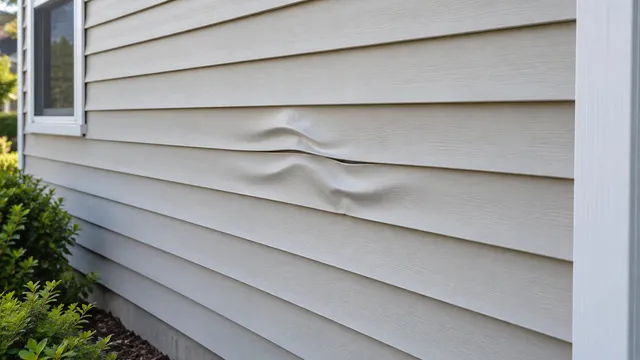
When only one patch of vinyl looks wrinkled, replacing it without understanding the exposure may set up another repair. Start with safe observations and a written cause-and-repair plan.
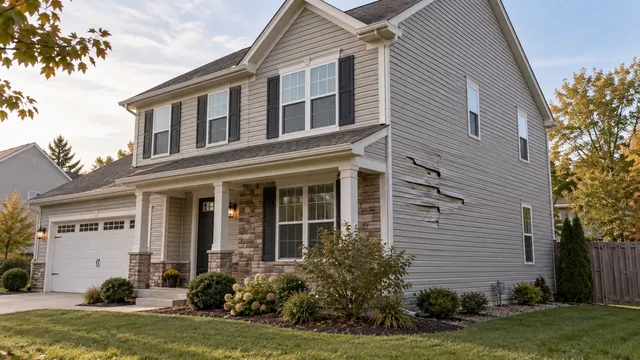
Conflicting siding quotes often assume different repair boundaries. Separate visible damage, the access needed to fix its cause, and the extra work you might choose for appearance.
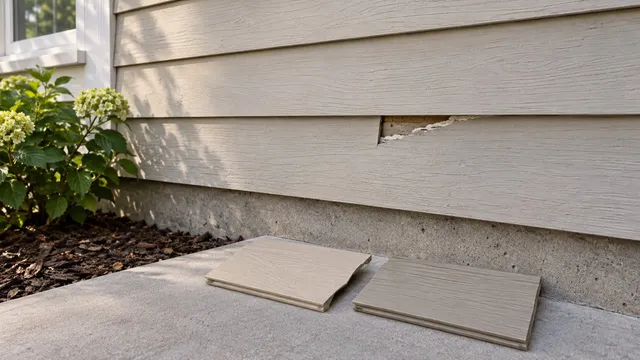
Finding a similar color is only one part of a small siding repair. The replacement must fit the existing assembly, and you get to decide what appearance is acceptable.
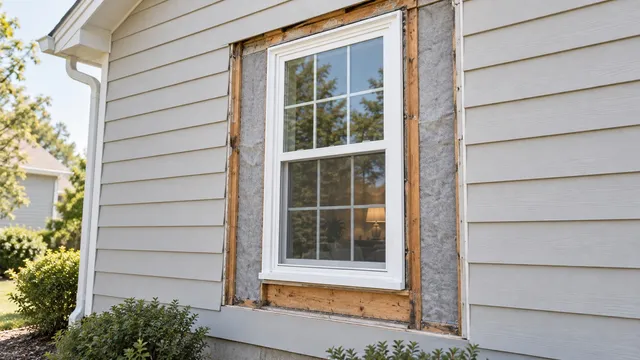
A neat trim joint tells you little about the concealed opening. Before new siding covers it, identify what stays and how the window connects to the wall drainage layer.
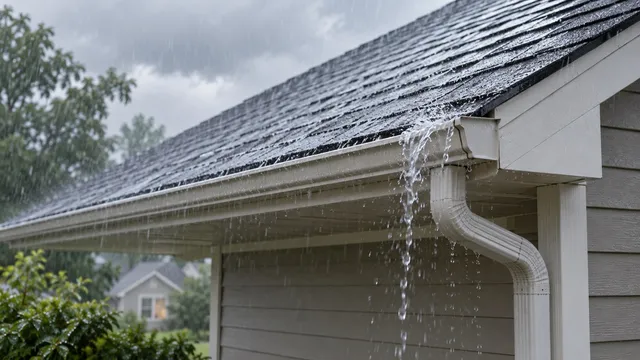
A ceiling stain after a downpour does not prove the shingles failed. Rain volume, wind direction, and the delay before dripping help show which details need investigation.