The kitchen faucet has become a trickle. Is the city supply down, or is there sediment in that one tap? What you see elsewhere in the house answers more than the stream at the sink does.
Before buying a part, note how many fixtures are weak, which temperature side, and when the change began.
Is it low water pressure or low flow?
Pressure is the push in the pipe, measured in pounds per square inch (psi). Flow is the amount arriving each minute, usually measured in gallons per minute (gpm). A fixture can have normal supply pressure but a deliberately limited stream. Federal guidance from the Department of Energy gives maximum flows of 2.2 gpm for covered faucets and 2.5 gpm for showerheads manufactured and sold after January 1, 1994. WaterSense-labeled bathroom faucets use a 1.5 gpm maximum; that label is a product criterion, not the federal maximum.
If weakness began the day one faucet or showerhead was replaced and every other fixture stayed normal, check the new product’s rated flow and installation. If a fixture that once worked well has declined, debris or a local restriction deserves attention. If the whole house changed, the search moves upstream.
Which fixtures are weak, and did it start suddenly?
Before testing, stop if the loss followed a freeze, comes with damp walls or ground, water near electricity, gas odor, or a utility restriction or boil-water notice. For gas odor, get outside before contacting the gas utility or emergency services. For a possible leak, use a safe dry shutoff and call a licensed plumber; follow utility instructions for notices. Do not run water to recreate those conditions. Otherwise, run one fixture at a time. Note each sink, shower, tub, laundry tap, and outdoor hose bib (a threaded outside faucet). At a weak fixture, try hot alone and cold alone. Write down its floor and whether it is near the water entry point. Then note when this began and whether it followed plumbing work, a heater replacement, filter change, or street work. Use a short record: fixture and floor | hot weak? | cold weak? | onset and event | static psi | flowing psi. Leave the pressure cells blank until a safe gauge reading is available.
| Pattern | Where to look first | Next contact |
|---|---|---|
| One faucet, hot and cold weak | Aerator, wand, cartridge, supply stops | Homeowner check, then licensed plumber |
| One faucet, one temperature weak | That side’s stop or fixture cartridge | Licensed plumber if simple check fails |
| All hot taps weak; cold normal | Heater inlet valve or hot-side restriction | Licensed plumber |
| Whole house suddenly weak, with leak signs | Possible active leak | Safe shutoff and licensed plumber now |
| Whole house suddenly weak, dry and no other hazard | Utility, valve, regulator | Utility if neighbors affected; otherwise plumber |
| Whole house slowly weakening | Filter, softener, regulator, pipe condition | Licensed plumber |
| Fine alone, weak with two fixtures | Restriction or limited supply capacity | Licensed plumber or well contractor |
| Upstairs always weak | Elevation and design | Compare with prior performance |
| Upstairs newly weak | Wider supply change | Licensed plumber after utility check |
Ask a nearby neighbor whether their water changed too, and check the utility’s alerts. A shared sudden change points toward utility work or a main problem; a difference between homes shifts attention to your service and household plumbing. A strong outdoor tap with weak indoor taps can also narrow the search toward equipment and distribution inside the house.
The onset matters as much as location. A sudden drop with damp drywall, wet ground, or running-water sounds with every fixture off needs a leak response. Follow the meter and shutoff checks for a hidden leak only where it is safe to do so. If water is actively escaping, use an accessible shutoff without entering wet electrical areas and call a licensed plumber.
Why is only one faucet weak?
First, look at the accessible supply stops under the sink. An aerator is the small screened fitting at a faucet outlet; a cartridge is the internal valve that controls flow and temperature. A handle left partly closed after work can limit flow. Do not force a stuck valve. For an accessible aerator, identify the faucet model and its removal method. With the water off, remove the screen as directed, rinse away debris, reinstall it, then compare flow. Moen’s low-flow guide uses that check after the supply stops; its aerator guidance notes designs and turning directions differ. Improved flow localizes the restriction. If it stays weak, or the part is concealed or stuck, stop and call a licensed plumber rather than opening a cartridge or supply line.
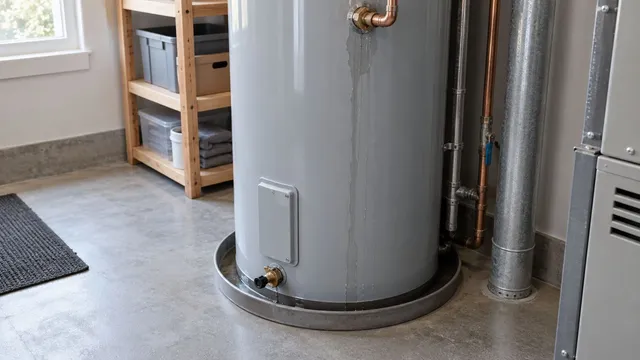
One weak temperature at one fixture is a local clue. If the hot side alone is weak at the kitchen sink but hot flow is normal in the bathroom, replacing the water heater does not follow from that observation. A cartridge or hot-side stop is more relevant. If every hot tap is weak, the common hot-water path becomes relevant. A licensed plumber should inspect the cold inlet valve and connections at the heater, especially if the symptom began just after service. Weak flow is also different from hot water running out quickly. Brown water only on the hot side adds another clue; see what to check before replacing a heater for brown hot water.
In freezing weather, a sudden loss at a single faucet calls for the frozen-pipe response, not an aerator hunt. Stop if you see water escaping or a thaw reveals a split line.
What if every fixture has low pressure?
Longstanding upper-floor weakness can reflect elevation: the 2018 IPC Appendix E as shown for Phoenix uses about 0.433 psi loss per foot of rise, or about 8.7 psi over 20 feet, before flow losses. A newly weak upper floor needs the wider supply check. Trace the supply from outside inward. Check your utility’s outage and flushing notices, then ask a neighbor. Diablo Water District notes that hydrant flushing can reduce pressure and leave sediment in faucet screens. If the utility event ends but a single tap remains weak, inspect that screen rather than assuming the whole supply is still down.
At the house, observe the main shutoff without forcing it. On a ball valve, a handle parallel to the pipe indicates open; a perpendicular handle indicates closed. An old round-handled gate valve offers no such visual cue and can seize. Leave curb stops and meter valves to the utility. Ownership of the service line varies: Denver Water’s policy assigns owners responsibility beginning at the tap into the main, while other utilities use different boundaries. Ask yours before authorizing service-line work.
Next comes any pressure-reducing valve (PRV), a device that lowers incoming pressure. A PRV can restrict flow if faulty or clogged, but turning its adjustment screw is not a diagnostic shortcut. EPA WaterSense’s service-pressure guidance says most U.S. plumbing codes require a regulator where supplied pressure exceeds 80 psi; local adoption and amendments determine your rule. A PRV can also create a closed system where thermal expansion at the water heater needs control. A licensed plumber should measure the system and assess that protection before adjusting it. If a bang at the washer is part of the picture, water hammer and pipe movement need their own diagnosis.
Filters, softeners, and backflow devices introduce pressure loss by design. IPC Appendix E directs designers to use manufacturer pressure-loss data for this equipment. A spent filter can make that loss worse. Note when a cartridge was changed and whether the flow improved afterward; operate a bypass only as your device manual permits. Gradual decline can also come from scale or internal pipe corrosion. The U.S. Geological Survey explains that hard-water deposits gradually narrow pipes and lower flow. A plumber should identify pipe condition after simpler restrictions have been ruled out; a whole-house repipe is not a conclusion from a weak shower alone.
How do you measure the pressure?
Only measure when the supply area is dry and there is no leak, freeze, gas odor, or utility notice; do not run a tub to recreate a hazardous loss. EPA’s procedure uses an accessible cold threaded fitting, such as a hose bib. Close the tap before attaching or removing the gauge, then open it for a static reading with other uses off. During ordinary safe use, note a flowing reading too. A large drop suggests a restriction or limited supply capacity; a plumber must locate which. Never disconnect a washer hose near electrical equipment or force a seized fitting. Test each independent water supply separately. For an irrigation-only symptom, follow zone-by-zone sprinkler coverage checks.
EPA recommends incoming service pressure between 45 and 60 psi for efficient household operation. DOE discusses a broader 20–80 psi system range. Neither number alone diagnoses your particular fixture, and 80 psi is not a target. The gauge cannot tell you whether a valve, regulator, filter, or line caused a low reading. Save both readings, date, and test location for the professional.
What changes if your water comes from a private well?
On a well, there is no utility main or curb stop. A pump builds pressure, a tank stores pressurized water, and a switch starts and stops the pump between settings. Penn State Extension explains that a traditional system might run between about 20 and 40 psi; other systems use different bands. The switch, tank air charge, and pump must match. The Private Well Class describes broader typical switch bands, with cut-in around 20–40 psi and cut-out around 40–60 psi. The traditional 20/40 example is only one arrangement. Rapid on-off cycling can mean an older tank has lost its air cushion as air dissolves into water; a licensed well contractor must assess the switch, tank charge and pump together.
If water starts strongly then fades during normal shower or laundry use, the well may not sustain peak demand. A slow decline suggests a different yield investigation; sand, sputtering, or air in the water should be reported to a licensed well contractor promptly. Penn State’s maintenance guidance says a yield drop of 25% or more indicates rehabilitation is in order; the contractor establishes that measurement and cause. A licensed well contractor can measure yield, pump performance, tank condition, and switching behavior. Do not open a pressure switch, control box, pump wiring, or well pit: those are professional electrical and confined-space tasks.
Tell the well contractor how often the pump starts, whether the water sputters, and when performance changed. A pump replacement, tank work, storage addition, and well rehabilitation solve different problems. Ask which measurement supports the proposed remedy before accepting the scope.
When should you call today, and what should the quote cover?
Act promptly when a sudden pressure loss accompanies wet materials, a running-water sound, a hard freeze, or a utility main-break notice. Keep clear of water near electricity. Follow any boil-water notice exactly as issued by your utility. Report any gas odor to the gas utility or emergency services after leaving the area.
If the whole house is weak but dry, there has been no freeze or gas odor, no utility restriction or notice applies, and the utility reports no issue, schedule a licensed plumber this week. One weak tap with every other fixture normal can usually be checked and scheduled. A well pump running continuously or short-cycling warrants a licensed well contractor soon.
Ask what pressure was measured at which points, what restriction or failure was found, and which alternatives were ruled out. A written estimate should separate diagnosis, parts, labor, access, permits if locally required, and restoration. If a contractor recommends a repipe or service-line replacement without readings or a defined failed section, get another measured opinion.
Avoid turning up a PRV, permanently removing an aerator or flow restrictor, forcing a curb valve, or adding a booster pump before the cause is known. Each changes the system while leaving the actual fault unresolved. Save the fixture pattern and gauge readings; they make the next conversation specific.
Frequently asked questions
Is 40 psi enough for a house?
It may serve some homes, though fixtures can feel weaker than EPA’s recommended 45–60 psi incoming range. Compare a static reading with one taken during flow, and ask a licensed plumber to assess a meaningful drop rather than treating one number as the whole diagnosis.
Will a booster pump fix low pressure?
Sometimes, after diagnosis shows the supply can support it. A booster cannot repair a leak or restriction or increase a well’s yield; a licensed plumber or well contractor should measure those limits before proposing one.
My neighbors have normal pressure. Does that prove the fault is mine?
No. It narrows the search toward your service and home, but ownership boundaries and the exact fault still need confirmation. Tell the utility what you measured and ask where its responsibility ends.
Can a softener or filter lower pressure?
Yes. These devices create some pressure loss, and a fouled cartridge can worsen it. Compare the timing with maintenance and have a licensed plumber measure pressure on each side if the cause remains unclear.
Do old pipes mean I need to repipe everything?
No. A plumber should first check the valve, regulator, treatment equipment, and actual pipe condition. The extent of any replacement should follow that inspection, not the symptom alone.
Sources
- U.S. Environmental Protection Agency WaterSense — Service Water Pressure
- U.S. Department of Energy — Best Management Practice #7: Faucets and Showerheads
- U.S. Environmental Protection Agency WaterSense — Bathroom Faucets
- U.S. Geological Survey — Hardness of Water
- Penn State Extension — Using Low-Yielding Wells
- Penn State Extension — Water Well Maintenance and Rehabilitation
- Moen — Kitchen Faucet: Low Flow
- Moen — Faucet Aerator Cleaning
- Diablo Water District — Water Line Maintenance: Hydrant Flushing
- Denver Water — Homeowner Responsibility
- International Plumbing Code Appendix E — Sizing of Water Piping System
- The Private Well Class — How Does My Private Well Pressure Tank Work?