One quote says “prep and two coats.” Another is much higher, but adds repairs, primer and a longer work window. You cannot tell from the totals whether one painter found trouble the other missed, one is promising a smoother finish, or the two measured different surfaces.
A national price range cannot tell you whether these painting estimates are fair: local labor, access, preparation and coating choices vary too much. Align the written scope first, then ask each painter to explain the remaining difference.
Why do painting quotes and estimates differ?
Start with eight price drivers: surfaces included, repair extent, preparation level, coating products, access, protection, schedule and warranty commitments. Put each beside the total instead of assuming the quotes buy the same result.
Are the painters pricing the same surfaces?
Give every bidder the same list of rooms or exterior elevations and photographs of visible trouble spots. State the color, sheen and finish you want, plus known leaks, peeling or prior repairs. Describe the result rather than prescribing their tools or method before they inspect the surface.
For an interior project, identify walls, ceilings, baseboards, other trim, doors and which faces, closets, built-ins and stairwells. For an exterior, identify siding, fascia, soffits, trim, shutters, doors, railings and detached items. “Whole house” does not tell you which of these a bidder counted. The Painting Contractors Association’s 2023 P23 standard lists commonly excluded items unless specified: closet interiors on repaints, cabinets and shelves, floors, roof items including gutters and downspouts, fences, gates, mailboxes and planters. Make each relevant item explicit. PCA standards are industry references, not law; name any standard you agree to use in the contract.
Ask what each quantity means. Square feet of floor area, square feet of paintable wall, linear feet of trim, a door count and a lump-sum scope are different measurements. PCA’s 2023 estimating standard uses conventions for consistent quantities and recognizes access and finish differences. Compare the same measured surface before comparing unit prices.
A simple worksheet can use four statuses for each requirement:
| Status | What it means | Your next move |
|---|---|---|
| Included | The proposal names it and states the work | Check that the finish expectation matches |
| Excluded | The bidder will not perform it | Decide who will, and when |
| Allowance | A limited amount or quantity is included | Ask for the limit and overage approval rule |
| Unclear | The proposal does not answer | Request a written clarification; do not enter zero |
Use those labels for surfaces, repair extent, coating products, protection, access, lead responsibilities where relevant, cleanup, payment and closeout. Leave unanswered items marked “unclear” until the painter resolves them.
Compare a common base job before options
Ask each painter to revise a quote for the same baseline. Price extra rooms, more extensive smoothing or an upgraded finish as separate options. That makes the optional result visible. The highest, middle and lowest totals cannot be ranked for value until the work is aligned. FTC recommends multiple written estimates and asking why large differences remain.
What does “prep included” actually promise?
Preparation should describe the condition to be delivered, not merely verbs such as “sand and patch.” PCA P14 distinguishes levels of repaint preparation and broader restoration or resurfacing. Ask the bidder what old texture, scratches and uneven patches will remain visible after the agreed work.
| Vague phrase | Question to resolve in writing |
|---|---|
| “Minor repairs included” | Which holes, cracks, damaged boards or drywall areas, and what extent? |
| “Prep as needed” | Where is old paint loose, what sound base will remain, and what is excluded? |
| “Smooth finish” | Is this spot patching or broad resurfacing, and what sample defines acceptance? |
| “Cleanup included” | Daily and final cleanup of which rooms, surfaces and debris? |
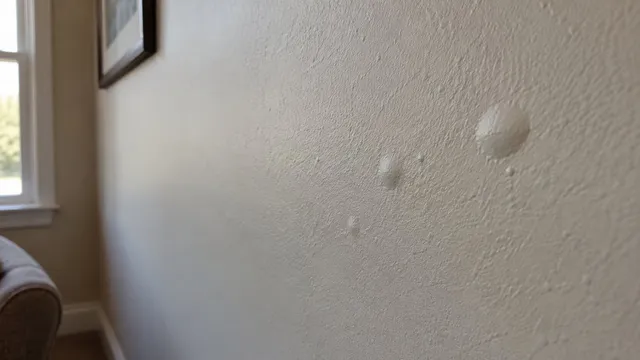
For interior work, identify nail pops, damaged drywall, cracks and texture transitions. Strong side light on a wall or smooth trim may make an appearance sample worthwhile. Paint does not erase every old defect unless the scope includes correcting it.
For exterior work, ask which elevations have failing coating, which are merely chalky or faded, and what material repair comes first. Soft wood or recurrent water entry needs repair before painting; water stains that bleed through fresh paint explain why stain coverage alone cannot settle the problem. New paint that peeled quickly likewise calls for an adhesion-ready base before another price for finish paint makes sense.
Separate painter prep from another trade’s repair
A painter can price coating preparation after a sound substrate is established. A carpenter, masonry specialist or moisture professional may need to address damage first. Ask who inspects it, which defects are in the base bid and what evidence the painter needs before returning. Do not scrape an old surface or climb to a roof to settle a bidder disagreement yourself.
If repairs cannot be fully known before cleaning or opening an area, ask for a stated allowance and an approval process when the condition is revealed. An allowance needs a quantity or dollar basis supplied by the bidder and a rule for overages; “we’ll figure it out” is not a price term. If bids disagree about replacing wood or resolving dampness, get a carpenter or moisture-investigation specialist to inspect before choosing the painting scope.
Are primer, coats and finished appearance comparable?
Ask for the exact manufacturer and product line for each surface, color, sheen, intended substrate, primer product or reason for no separate primer, and planned finish applications. Keep primer separate from finish coats. A brand name alone is not a coating specification.
Hiding means the new color conceals the old color. It is different from applying the product at its specified spread rate and film thickness, and different again from the uniform finish you will accept. A wall may appear opaque while the application still fails another product instruction. You should not scrape a finished wall to measure thickness; ask the painter how the planned system follows the current technical sheet.
BEHR’s one-coat color guarantee has product, color and condition limits. The May 2024 BEHR MARQUEE interior matte sheet separately describes spread, film and primer systems. Match the sheet to the line and sheen on your quote.
One coat is not automatically dishonest, and two coats are not automatically enough. The June 9, 2026 Benjamin Moore Aura Exterior N629 U.S. sheet permits one or two coats in specified systems and describes a conditional high-build spray approach. Ask what the selected product requires for your substrate, color change and method.
State whether the price includes achieving the agreed uniform appearance if the proposed system does not hide. That is different from an owner-requested color change after approval. Require notice of product substitutions, their reason and any effect on price or agreed performance before they go on the wall. Record sample approval for color and sheen, but do not mistake a small sample for proof of hidden preparation.
Are protection, access and lead-safe work priced?
Confirm who moves and returns furniture, covers floors, protects landscaping, handles agreed removable items, controls ordinary dust or overspray, and cleans daily and at completion. For a tall stairwell or upper exterior elevation, ask what access equipment and setup the contractor includes. Do not provide improvised equipment or attempt elevated work to reduce the quote.
Ask for a start window, occupied-room sequence, communication contact and distinction between active painting days and elapsed time. Exterior timing depends on the surface condition, weather and dew, and the chosen coating’s recoat limits. The Aura sheet notes that cooler or more humid conditions extend drying, so a weather delay can extend the calendar without adding painting days.
In pre-1978 housing, compare the lead-safe plan explicitly
Do not scrape or sand a test patch for bidders. For covered paid work disturbing paint in pre-1978 housing, EPA’s RRP contractor guidance requires firm certification and lead-safe work practices. The job needs an assigned certified renovator; other workers may work under that renovator’s required training and oversight. Exceptions include qualifying minor repairs and properly documented lead-free components; some states administer their own authorized programs. Ask each firm to explain the applicability basis, firm and renovator credentials, occupant communication, protection, cleanup and documents. A general business license is a separate issue. Our pre-1978 painting guide covers the fuller decision.
Ordinary tidying is not a lead-safe completion plan. EPA’s March 2026 lead-safe renovation booklet distinguishes the renovator’s cleaning verification from professional dust-lead testing. Ask which applies, whether additional testing is agreed or required, who performs it and who pays for recleaning if needed. Do not accept “cleanup included” as the whole answer.
What can change the price after work starts?
Mark the fixed scope, allowances, options, exclusions, taxes or fees where applicable, and quote validity. Define “extra prep” and “additional coats” before either becomes a surprise. A change process should record the discovered condition, proposed remedy, cost and timing effect, and your approval before added work. California’s contractor board requires a written change order signed by both parties before the changed work. Outside California, check local contract requirements and agree on the written approval process before work starts.
Discuss deposits and progress payments against understandable milestones. FTC cautions against paying the full amount in advance and notes that state requirements vary. Confirm any applicable licensing or registration and ask for proof of insurance through the relevant local channels. An immediate-signature demand or refusal to clarify major scope items is a reason to pause.
Get two warranty descriptions: the painter’s workmanship promise and the paint maker’s product remedy. Ask what defects each covers, duration, exclusions, claim contact, proof requirements, and whether labor and material are included. For example, BEHR’s MARQUEE interior warranty excludes application and removal labor. “Lifetime paint warranty” is not a free lifetime repaint agreement.
If written bids remain far apart after scope alignment, ask each bidder what explains the difference: access, staffing, scheduling, repair assumptions, finish level or service commitments. Price alone does not prove either quality or misconduct.
How will you judge the finished paint job?
Set the walkthrough method before signing. Agree which rooms or elevations, lighting and normal viewing positions will be used and what agreed sample or preparation level defines the result. PCA P1 describes a normally viewed painted surface under finished lighting at least one meter away, without magnification. Agree whether that viewing benchmark will be part of your contract.
Create a location-specific punch list for incomplete surfaces, coating defects, misplaced paint and unfinished cleanup. Agree who receives it and when corrections will be checked. PCA P20’s closeout protocol calls for identifying unfinished or unsatisfactory work and agreeing on corrections.
Ask for final product, color and sheen records, care instructions, warranties and agreed leftover material. A visual walkthrough cannot verify hidden preparation or measure coating thickness; it can confirm visible completion against the agreed scope. Resolve remaining “unclear” entries in the revised written proposals, then choose the work and working arrangement you actually want.
Frequently asked questions
Can I buy the paint myself for a labor-only quote?
Yes, if the painter agrees and the written quote assigns responsibility for ordering the exact product, color, quantity, storage and shortages. Ask who checks the current label and handles a product defect or mid-job substitution. Buying the cans does not transfer all system-design responsibility automatically; put it in writing.
Must labor and material prices be split?
Not necessarily for a useful comparison. A detailed lump-sum proposal can identify surfaces, preparation, product codes, applications, exclusions and change rules without an itemized wage calculation. Ask for the detail that lets you compare work, and check any itemization requirement that applies where you live.
Why might measured area include a window or door that is not painted?
Because the estimating method may count small openings as part of a continuous wall. PCA P10 counts small openings that way, but deducts floor-to-ceiling openings wider than five feet and any opening of at least 100 square feet. Ask which measurement convention each bidder used before comparing areas.
Who pays if another trade damages the new paint?
That depends on the contracts and what happened; a painter’s workmanship warranty is not automatically a repair agreement for later damage by others. PCA P1 separates touch-up and damage repair concepts. Record the condition at handoff and agree in writing who authorizes and pays for later corrections. Our guide to visible wall touch-ups explains why a small repair may need a wider repaint to blend.
Correction
October 1, 2026: This article previously described RRP certification and California’s signed change orders too weakly. They are requirements within their respective scopes. The window-and-door FAQ now states PCA P10’s measurement rules instead of attributing an unsupported rationale to the standard.
Sources
- FTC — How To Avoid a Home Improvement Scam
- PCA — P23 Typical Exclusions from Scope
- PCA — P10 Measurement of Surface Area
- PCA — P14 Levels of Surface Preparation
- BEHR — One-Coat Color Guarantee
- BEHR — MARQUEE Interior Matte 1450 Technical Data Sheet
- Benjamin Moore — Aura Exterior Flat N629 Technical Data Sheet
- EPA — RRP Program: Contractors
- EPA — Steps to Lead-Safe Renovation, Repair and Painting
- California CSLB — Home Improvement Contracts
- BEHR — MARQUEE Interior Paint Warranty
- PCA — P1 Properly Painted Surface and Touch-Up
- PCA — P20 Job Close Out Protocol