The new color looked fine until an edge lifted. It is tempting to call that proof the painter skipped prep, but a fresh coat can remain bonded while an older coat lets go beneath it. The first useful question is which layer separated.
Preserve the evidence already visible. Then compare it with the product and job history before anyone proposes another coat. A repair that starts at the wrong layer can hide the question for a while without answering it.
Before pulling off more paint, record what happened
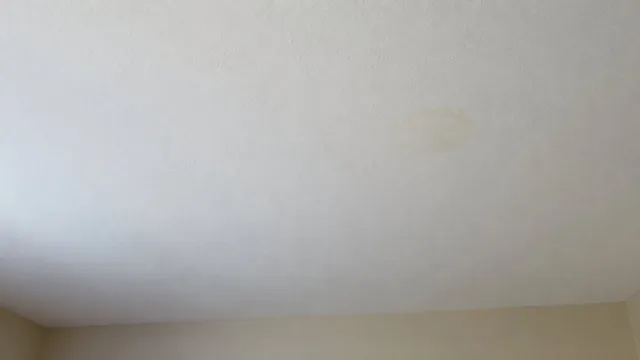
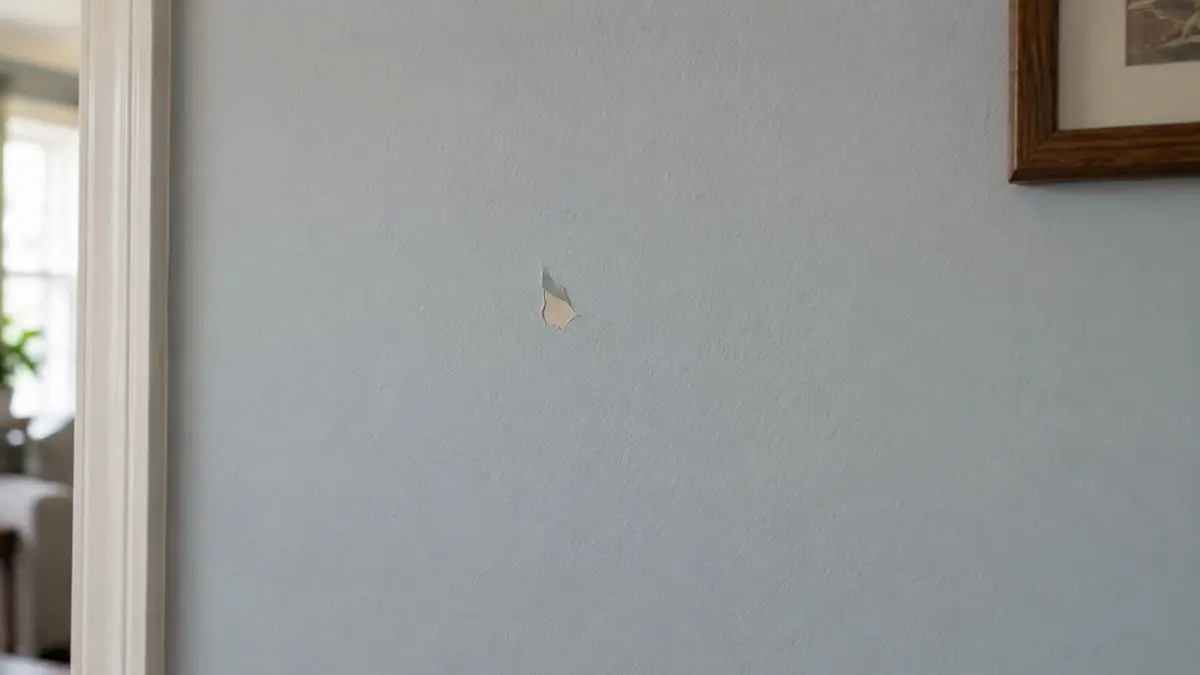
Photograph the wall from across the room and close enough to show an edge already open. Leave attached paint in place. Note when the job ended, when peeling first appeared, and whether it happened by itself, during rolling, or when tape came off. Record the room and whether other painted surfaces remain intact. These observations are useful; none alone proves the cause.
Gather the paint cans or label photos, primer and topcoat names, finishes, purchase records, coat dates, and the painter’s prep description. Include known wallpaper removal, prior coatings, drywall repairs, cleaning, condensation, and leaks. BEHR’s product-support intake asks for product identity, issue description, proof of purchase, and optional photos. That is a useful record list, not a guarantee of warranty help.
Old materials set the inspection boundary
A new coat does not make older paint lead-free. For pre-1978 or uncertain-age housing, the EPA’s lead guidance supports getting a certified lead professional to assess the situation and a lead-safe certified contractor for covered renovation work. Owner-occupied DIY and contractor rules are not identical; check applicable state and local requirements too.
If texture or another underlying material might contain asbestos, EPA says appearance cannot establish whether it does. Leave it undisturbed for professional assessment. Do not make a test patch by cutting, peeling, scraping, sanding, or pulling tape from an unknown old finish. These boundaries apply before any painter plans removal.
For more on that first decision, see what to check before disturbing paint in a pre-1978 home.
Is the new coat coming off, or taking older layers with it?
The substrate is the material under the paint system, such as drywall, plaster, or wood. On an already exposed edge, note whether you see the latest color, an older finish, primer, or material fibers. A photograph may show where to investigate, but cannot identify every layer’s composition or the cause.
| Existing observation | Possibility to investigate | What it does not prove |
|---|---|---|
| New color lifts; older finish remains | Bond between coats, contamination, compatibility, or timing | One specific prep step was missed |
| Several colors lift together | Earlier weak bond, moisture, or coating buildup | New topcoat adhesion was the failure |
| Paper fibers, compound, plaster, or texture detach | The underlying material may need repair | A stronger paint will hold it together |
| Small edge lifts only with tape | Tape selection and timing as well as coating condition | The entire wall needs stripping |
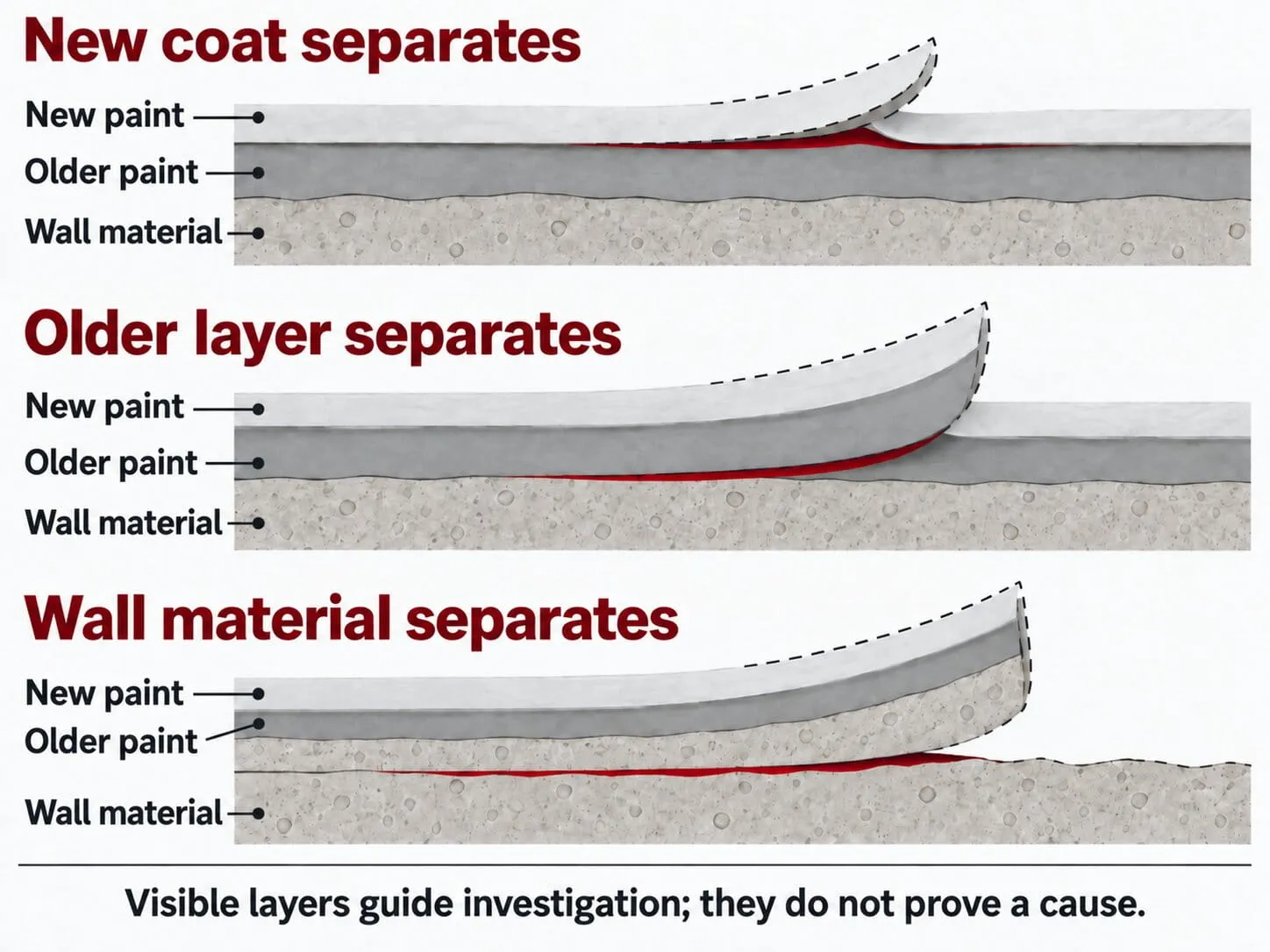
Dunn-Edwards’ multiple-coat peeling bulletin describes new paint staying attached to old paint while an older bond fails. That distinction matters: cleaning the exposed spot and repainting it may leave a weak neighboring layer untouched. The painter should assess apparently intact adjacent areas before drawing a repair boundary, without asking you to damage more paint to demonstrate the problem.
A tape mark is especially easy to overread. 3M’s selection sheet distinguishes tapes by intended surface, including fresh and cured paint. The exact tape and coating instructions matter; tape removal alone is not a standardized adhesion test.
Which preparation job may have been missed?
“Bad prep” is too broad to price or correct. Cleaning a surface, making it receptive to a new coating, and repairing weak material are separate jobs. Ask which one the proposed fix addresses.
Was there dust, grease, chalk, or old adhesive?
Fresh drywall work leaves dust. Kitchens can leave grease; an exterior coating can chalk; wallpaper removal can leave adhesive. The room suggests a question, not a diagnosis. Ask how contamination was removed, whether repairs dried, and which surface the coating was intended to bond to. BEHR’s No. 2750 technical sheet calls for dust removal and dry drywall compound before painting. A topcoat cannot bond well to loose dust just because the can says “paint and primer.”
Wallpaper history deserves its own line on the return-work form. The Zinsser GARDZ sheet describes old paste reactivating under a water-based coating. It still calls for unsound coatings and high-profile adhesive to be removed. A specialty sealer is not permission to paint over unidentified residue.
Was the older finish slick or hard to coat?
A glossy existing coating may need preparation and a bonding system chosen for that surface. The INSL-X STIX technical sheet is an example: broad adhesion claims sit beside specific preparation for glossy surfaces. Ask for the actual existing finish, primer, and topcoat, plus the current instructions for each. A bare “oil versus latex” guess leaves out the preparation and intermediate layer. Compatibility when painting latex over oil-based paint is a separate decision.
Is the wall material sound?
Dust on sound drywall compound differs from torn facing paper or compound that crumbles with the paint. The GARDZ sheet addresses damaged facing and porous problem surfaces, but it does not turn unsound material into a finished wall. A painter or drywall specialist should decide what substrate repair is needed first. Bonding primers, porous-surface sealers, and stain blockers have different jobs; none is a universal cure for an active leak or damaged assembly.
The primer question is therefore two questions: Was a separate primer needed for this prepared surface and coating system, and was the selected system used as instructed? BEHR’s sheet permits self-priming on specified surfaces and also lists separate-primer systems. A missing primer can matter, but it does not prove faulty work on its own.
Could moisture or application conditions be responsible?
A leak, recurring condensation, recent washing, or a stain near an opening makes water worth investigating. It does not identify a roof, pipe, or window fault from the paint pattern. Sherwin-Williams’ interior moisture guidance treats humidity as a contributor to peeling; Dunn-Edwards also lists moisture intrusion among alternatives. Have the relevant plumber, roofer, window specialist, or restoration professional investigate an indicated water path. The painter then assesses the material and coating readiness. A dry-looking face or elapsed days alone cannot certify a hidden assembly.
For intact blisters that recur, start with whether returning paint bubbles point to moisture or application. Detached sheets and intact bubbles need different observations.
Timing deserves the same care. On the U.S. STIX SXA-110 sheet dated November 12, 2025, touch-dry is 30 minutes and recoat is 3–4 hours at 77°F and 50% relative humidity; its preparation note allows approximately 3–4 days for maximum scrape resistance. Those are different milestones for one primer, not a schedule for this wall. Ask the painter to check the actual products’ intervals, coat thickness, temperature, humidity, and exterior rain or dew exposure. Waiting will not reattach paint that has already separated. Nor does a deliberately pulled young film supply a universal verdict on adhesion.
What repair scope follows from the failed layer?
The starting point is sound material, not a promise that primer will glue everything back. INSL-X’s peel-bonding primer sheet still calls for cleaning, loose-paint removal, and damaged-substrate repair or replacement. A coating sold for peeling surfaces does not cure continuing separation underneath.
| Condition confirmed by the professional | Scope to discuss |
|---|---|
| Small area, sound surrounding layers | Localized preparation and restoration may be reasonable |
| Repeated or widespread separation in older layers | Assess farther before setting removal limits |
| Torn paper, weak compound, or damaged trim | Repair or replace the material before coating |
| Continuing moisture | Correct the source and assess drying before finish work |
None of those rows sets a universal patch radius or says every sound layer must come off. An agreed scope should state how the painter will establish the boundary. Where an old finish or proposed system is uncertain, ask the coating manufacturer about a controlled trial area, its evaluation method, and how long to wait before accepting it. That is a professional check, not an invitation to pull another test strip yourself.
What should you ask at the painter’s return visit?
Send the photos, timeline, product labels, and known wall history before the visit. Ask: Which layer separated? What observation supports the cause? What remains uncertain? How will adjacent coating be assessed without unnecessary disturbance? What would trigger a moisture or substrate specialist?
Request a written scope naming the affected surfaces, safe removal limits, substrate repairs, cleaning/preparation, exact primer and finish system, application conditions, and final appearance target. It should say how new findings change the scope and how the result will be evaluated. A second assessment is sensible if no one can explain the failed layer, peeling returns after repair, or broad removal is proposed without evidence.
There is no reliable national price for “fix peeling paint” because the job may be a small coating repair or material and moisture work. Cost moves with failure extent, removal depth, access, hazard-controlled work, and the area refinished. An estimate listing only finish coats misses the preparation decision. Keep the product and prep record beside the written repair scope; that is what makes the next visit useful.
Frequently asked questions
How long before I can put painter’s tape on the repaired wall?
Follow the exact coating and tape instructions for the products used. Touch-dry, recoat, tape suitability, and full adhesion development are different milestones. Ask the painter for both labels and do not infer a safe tape time from another product’s dry-to-touch number.
When can I wash the repainted area?
Use the purchased paint’s care instructions or ask its manufacturer. BEHR’s current product pages present conflicting care times for a related finish, so a borrowed two- or four-week rule would be unreliable here. A dry-looking film may still be developing its service properties.
Why does a patch show even with paint from the same can?
Color is only one part of a match. Sheen, surface texture, and application method also change how a touch-up looks, as Benjamin Moore’s touch-up guidance explains. Why wall touch-ups look different covers how to choose a larger finish area without assuming the repair failed.
Will the paint warranty pay for the labor to redo the job?
Do not assume so. BEHR’s product warranty is a specific limited warranty with qualifications and a labor exclusion. Your product’s terms, the application record, the painter’s agreement, and applicable state rights determine which route applies; preserve receipts and request written answers.
Sources
- EPA — Lead-Safe Renovations for DIYers
- EPA — Protect Your Family from Exposures to Asbestos
- Dunn-Edwards — Multiple Coat Peeling
- BEHR — Customer Service & Product Assistance
- 3M — ScotchBlue Painter’s Tape Product Selection Sheet
- BEHR — No. 2750 Technical Data Sheet
- Zinsser — GARDZ Technical Data
- INSL-X — STIX SXA-110 Technical Data Sheet
- Sherwin-Williams — Peeling Due to Moisture
- INSL-X — High Build Peel Bonding Primer Technical Data Sheet
- Benjamin Moore — How to Touch Up Paint
- BEHR — ULTRA Interior Paint