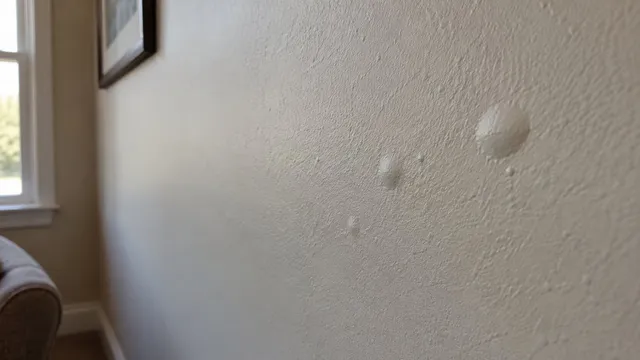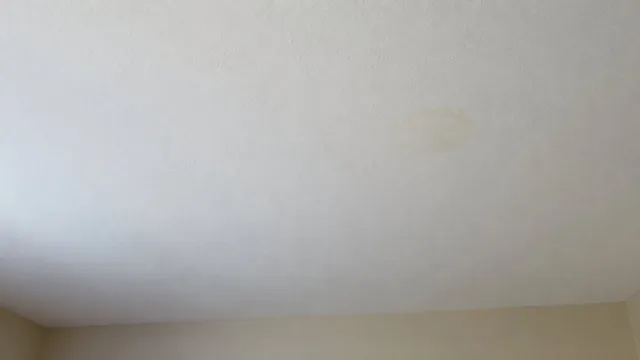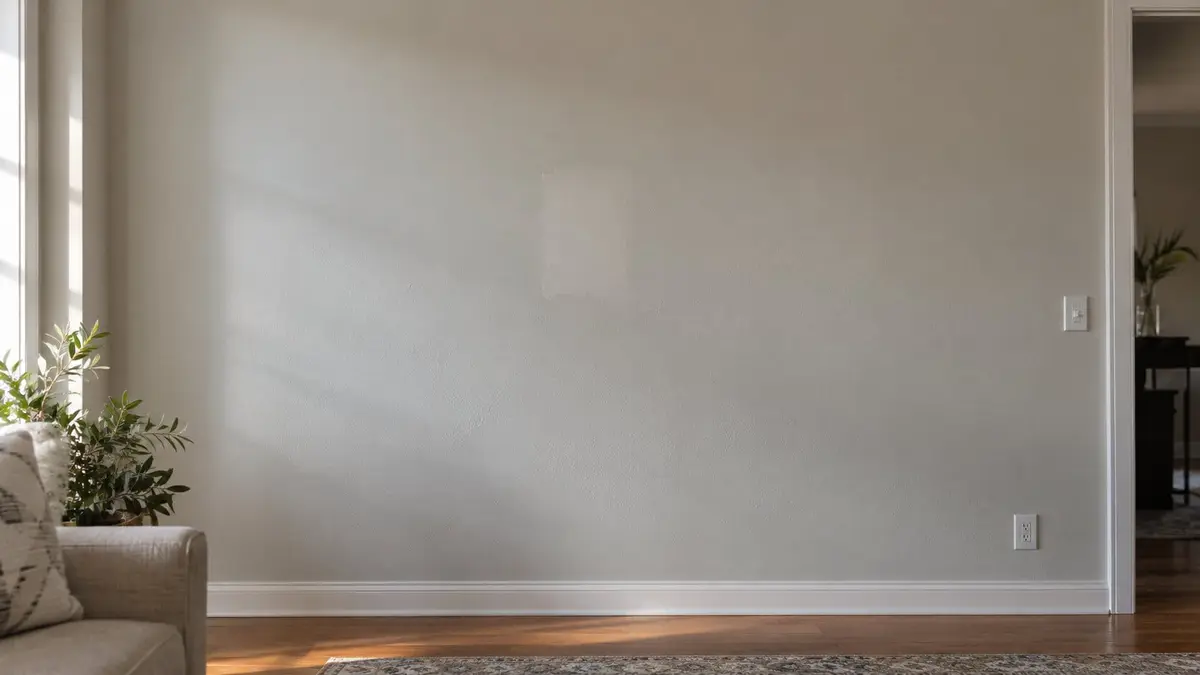
A small scuff became a larger problem when the repair dried into a visible patch. Even the saved can from the original job may leave a different mark. The question is what looks different: pigment, reflected light, paint texture, or the repaired wall beneath.
That distinction changes the next step. More coating can help weak coverage, but it will not flatten a raised patch or turn a brush finish into a roller finish. Work out which one you are seeing before enlarging the repair.
Is the touch-up ready to judge yet?
Check the label for the exact product, finish, and conditions. Dry to touch, ready for another coat, and cured enough for cleaning are separate milestones. A touch-dry time does not promise an invisible touch-up. Cool or humid conditions can also change drying; use the purchased product’s instructions, not a fixed internet waiting period. BEHR’s current No. 2750 page illustrates the distinction between its listed dry and recoat milestones, but those times do not transfer to another coating.
Once the instructed dry interval has passed, view the patch in daylight and the room’s usual artificial light. Note whether its appearance is still changing. Full cure does not necessarily erase a mismatch, so do not keep adding coats merely to wait for a color correction.
If the area is damp, stained again, bubbling, or peeling, pause cosmetic work. Returning paint bubbles and water stains bleeding through fresh paint call for cause assessment. On a pre-1978 or unknown-age wall, do not sand, scrape, or cut out a chip for matching until lead has been assessed. EPA recommends a certified inspector or risk assessor for possible lead paint and lead-safe certified contractors for renovation work in pre-1978 homes; owner-occupied DIY and regulated contractor work differ. See what to check before disturbing paint in a pre-1978 home.
Does the difference change as you move around the room?
Look straight at the patch, then from an ordinary side angle without climbing or touching the finish. Light can reveal a difference; it is not itself proof of a defective coating. This table sorts what to check next, not what the photo proves.
| What you see | Possible reason | Next check |
|---|---|---|
| Shinier or duller patch, strongest at an angle | Sheen, film thickness, or porous repair | Compare finish label and patch history |
| Brush marks, different stipple, smooth island, or raised edge | Application or wall texture | Compare the untouched surface nearby |
| Color difference visible from several angles | Product identity, coverage, surrounding paint condition | Compare label, saved paint, and wall history |
| A halo around the spot | Several causes can overlap | Check sheen, texture, absorption, and tool |
Uneven gloss is often called flashing. Sherwin-Williams’ flashing guidance links it to porous surfaces and uneven film thickness. Reserve that word for gloss variation, not every perceived color mismatch. Sherwin-Williams’ touch-up guidance also identifies tool choice, repair texture, paint batch, and application conditions. A photograph may show the location, but it cannot measure color or identify the cause.
What does “the same paint” actually mean?
Check brand, product line, base, sheen, color formula, and batch information if available. A can newly tinted to the same color name is not necessarily the original product and finish. If you saved paint, note how it was stored and whether the manufacturer or retailer considers it usable. Age alone neither condemns nor certifies it. Benjamin Moore’s storage guidance explains sealing and storage concerns; do not deliberately inhale old paint to judge it.
Same-day, same-container touch-ups can still show. A fresh wall cannot have years of wear, so do not start by assuming age changed the color. Compare the patch with the untouched wall in the same light and ask whether the original painter rolled, brushed, or sprayed it. The application difference may be the most useful variable you can verify without touching the finish. On fresh work, check the tool, film build, and repair substrate before invoking fading. On older work, surrounding paint may have changed through sunlight, dirt, or cleaning, but there is no birthday after which every wall becomes untouchable. BEHR PRO’s touch-up comparison treats aging and sheen as factors, not a universal deadline.
The old wall is not always duller. Rubbing or repeated cleaning can burnish paint, making a local area shinier, according to Sherwin-Williams. Scrubbing harder to “blend” a patch can create another sheen difference. Use the actual finish’s care instructions and a discreet trial for removable marks rather than aggressive cleaning.
Could the repair beneath the paint be showing through?
Separate three physical questions. Is the patch material more absorbent than the surrounding painted wall? Is the repair raised or smoother? Did the applicator leave a different surface pattern? Benjamin Moore’s touch-up guidance treats color, sheen, and texture as distinct matching problems.
Compatible primer can reduce uneven absorption over sound bare patch material. A bare repair and an intact painted scuff should not receive the same automatic treatment. Ask whether the patch was sealed, whether its edge is raised, and whether its texture was restored before the finish coat. Those answers separate an absorbency problem from a surface-shape problem. Primer cannot level a ridge or reproduce missing wall texture.
Intact painted scuffs do not automatically require primer. A brush over a wall originally rolled can leave different marks; spray-applied surfaces may be hard to copy locally. Paint film build simply means how much coating is left on the wall. Too little can show weak coverage; too much in one spot can change sheen or texture. Follow the actual coating’s tool directions rather than a universal roller nap, feathering, or coat-count recipe.
That caution matters because manufacturer techniques differ. Benjamin Moore discusses brush feathering, while Dunn-Edwards’ touch-up bulletin warns about brush halos on smooth walls. Generic thinning tips conflict with the BEHR No. 2750 page’s instruction not to thin for brush or roller. The purchased coating’s current directions, surface, and tool decide; ask technical support rather than mixing finishes or retinting paint yourself.
Is one more small touch-up worth trying?
A limited trial makes sense when the area is small, surrounding coating is sound, the correct usable paint is available, and a modest match is acceptable. Recent, lower-sheen walls often offer better prospects than aged or high-sheen ones, but no method guarantees an invisible result. Dunn-Edwards notes how critical lighting, texture, porosity, and film thickness affect the result.
If the mark itself may clean off, try only the product’s gentle-care method on fully ready paint in a discreet area. Stop if gloss changes. If painting, confirm the repair is sound, mix paint as directed, and choose an applicator suited to both the coating and original wall finish. Keep the first test limited and record which tool and product you used. Otherwise the next attempt may repeat the same mismatch without teaching you anything. After the specified dry interval, inspect it in the usual light. If acceptable, stop. If not, identify the remaining difference before extending the patch.
More paint may address coverage. It cannot reliably correct the wrong sheen, physical texture, or a changed surrounding color. Nor should a visible result trigger an endless cycle of larger halos. When the product’s care or touch-up instructions conflict, ask its manufacturer. General cleaning guides and specific product pages differ: even BEHR’s reviewed pages give two and four weeks for related cleaning advice. Neither number should be transplanted to this wall.
When is repainting the wall the better choice?
Consider a complete wall repaint if several patches need work, a limited trial stays conspicuous, the original coating cannot be matched, or the room’s lighting makes a local blend unacceptable. “Corner to corner” means the continuous wall plane to natural edges: corners, ceiling line, and trim. It does not automatically mean every wall in the room, and it does not guarantee the repainted wall will match adjacent ones.
The underlying repair must still be flat and sound; repainting the entire plane does not cure a moisture problem or bad patch. A residential painter can assess texture, porosity, application, and coating compatibility. Bring label photos, repair material details, original tool if known, and pictures in the lighting that reveals the mismatch.
Ask an estimate to name the exact walls and boundaries, repair and primer scope, product and sheen, coating work per the product’s coverage directions, protection, and cleanup. Agree how one sample will be judged and how any change from touch-up to wall repaint will be approved. A promise of invisible blending without a sample is a red flag. There is no dependable national price for this decision; access, preparation, material identity, area, and local labor determine the quote. If a whole-room repaint is proposed without explaining why one wall cannot suffice, get a second scope opinion. Comparing painting quotes by preparation and coats helps make that conversation specific.
Frequently asked questions
Can I use a small color-sample pot for a permanent touch-up?
No. Benjamin Moore’s FAQ says its Color Samples are for trying colors, not for final wall paint. Use the actual finish product for a permanent repair, and check its line, sheen, and label directions. Other brands’ sample products may differ; follow their specific labels rather than assuming a color pot is finish paint.
What if the original product was discontinued?
Ask the manufacturer or retailer what current product, if any, is the closest compatible option. A shared color formula alone cannot reproduce the former resin, sheen, or surface texture. A limited sample or complete-wall repaint may be more predictable than repeated spot attempts.
Can a phone photo or app identify the exact paint?
No. Benjamin Moore’s color app documentation warns that screen and actual paint representations can differ. A photo also cannot identify the old product line, sheen, or application texture; use labels and a real sample when appropriate, without cutting one from possible lead paint.
Is leftover paint still usable?
Maybe. Storage, freezing, sealing, and current condition matter more than a single age rule. Ask the manufacturer or retailer when the contents no longer mix to a usable consistency or their history is uncertain. Label future leftovers with room, color, product, sheen, and date, then store them as that product directs.
Sources
- BEHR PRO — ULTRA Interior Eggshell No. 2750
- EPA — Lead-Safe Renovations for DIYers
- Sherwin-Williams — How to Fix Paint Flashing
- Sherwin-Williams — Obvious Repair (Touch-Up)
- Benjamin Moore — 6 Tips for Storing Leftover Paint
- BEHR PRO — Touch-Up Versus Repaint
- Sherwin-Williams — Burnishing (Shiny Area)
- Benjamin Moore — How to Touch Up Paint
- Dunn-Edwards — Touch-up Technical Bulletin
- Benjamin Moore — FAQ
- Benjamin Moore — Color Portfolio App
- BEHR — ULTRA Interior Paint