
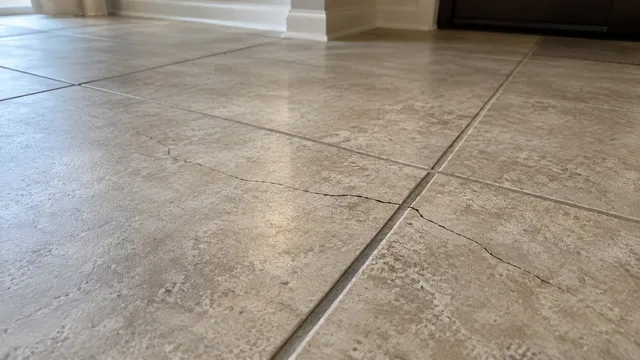
Flooring
Floor Tiles Keep Cracking in the Same Spot: What to Check Before Replacing Them
A repeat crack is a reason to investigate the supporting assembly. The tile shows where the damage surfaced, not necessarily where it began.
Page 8 of 9
A repeat crack is a reason to investigate the supporting assembly. The tile shows where the damage surfaced, not necessarily where it began.
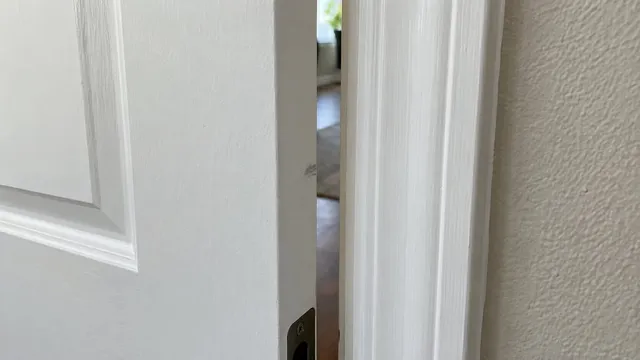
A sticky pull at the stop and a scrape along the edge call for different fixes. The paint label, contact marks and the door's operation tell you where to start.
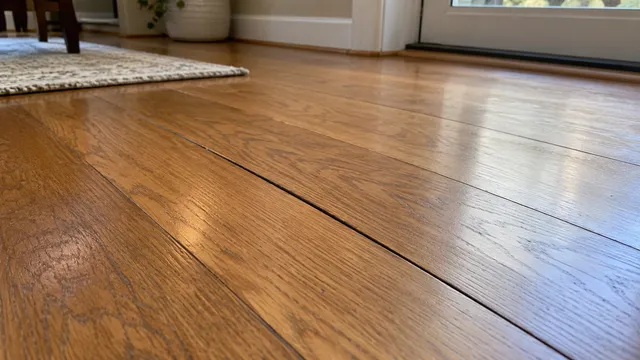
A close-up of one gap cannot tell you whether the floor is failing. Its location, history, and indoor conditions make the difference.
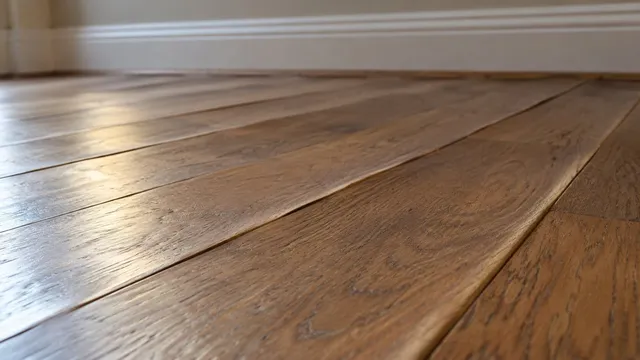
Raised board edges invite a quick sanding fix. The moisture source and the condition beneath the finish have to be understood first.
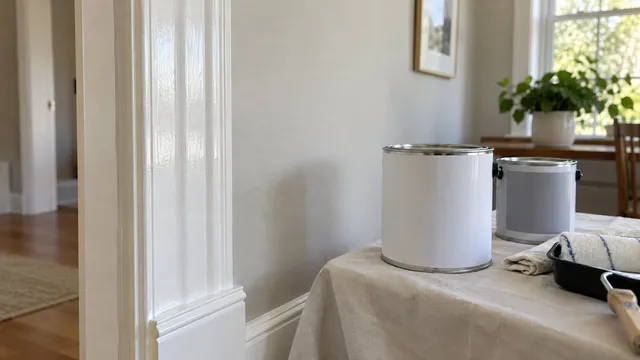
The old coating's label matters, but its condition matters just as much. A compatible primer cannot make loose paint, grease or a wet substrate into a sound base.
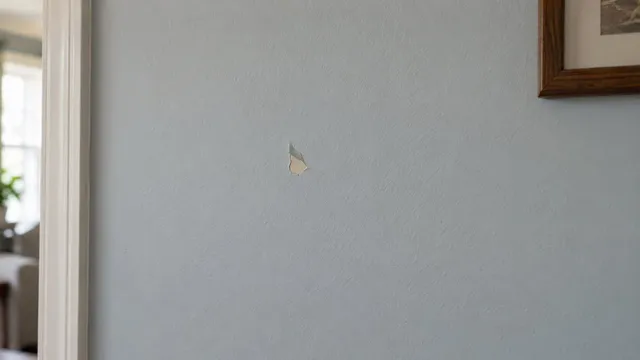
A fresh coat can lift on its own or pull older paint and wall material with it. The exposed edge helps define what needs investigation, not who to blame.
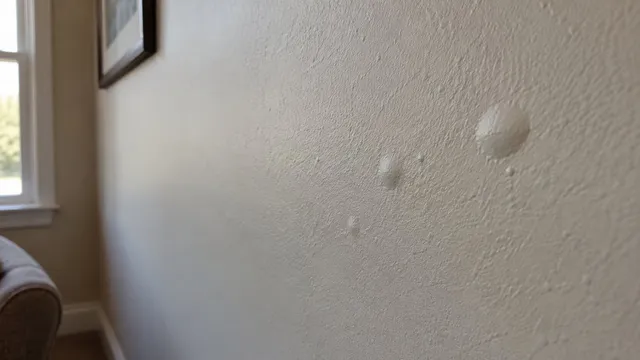
The same raised patch after another coat is a clue that the cause was not settled. Its timing, location, and failed layer help direct the next inspection.
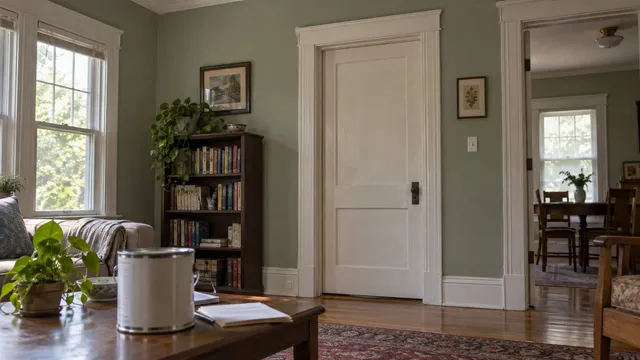
A newer topcoat does not tell you what lies underneath. Plan the surface assessment and the lead-safe work scope before ordinary paint preparation creates dust.
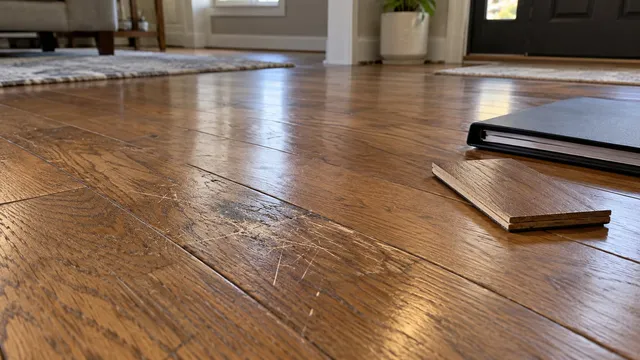
A worn hardwood floor may need less than replacement—or more than a cosmetic sanding. The decision depends on sound boards, remaining wood, and the result you want.
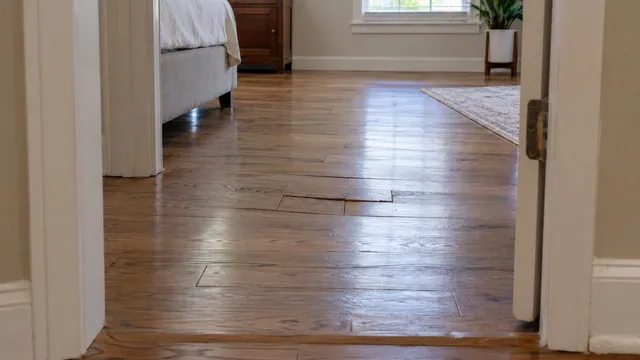
The area that feels soft is not always the layer that failed. Locate the movement before replacing the visible floor or paying for a hidden repair.
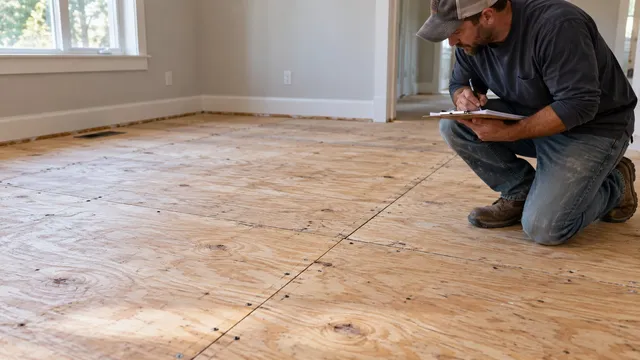
New flooring can hide a squeak without solving the moving connection beneath it. Use the removal stage to find the source and confirm the new floor's requirements.
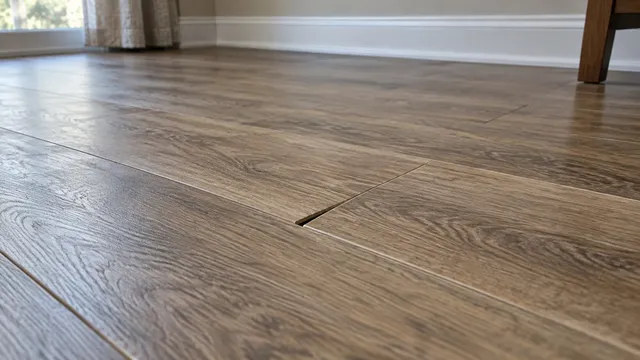
Closing an open seam does not explain why it returned. The next repair should start with the exact product and the layers supporting it.