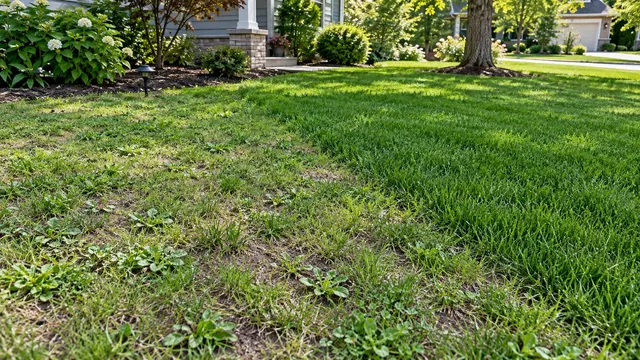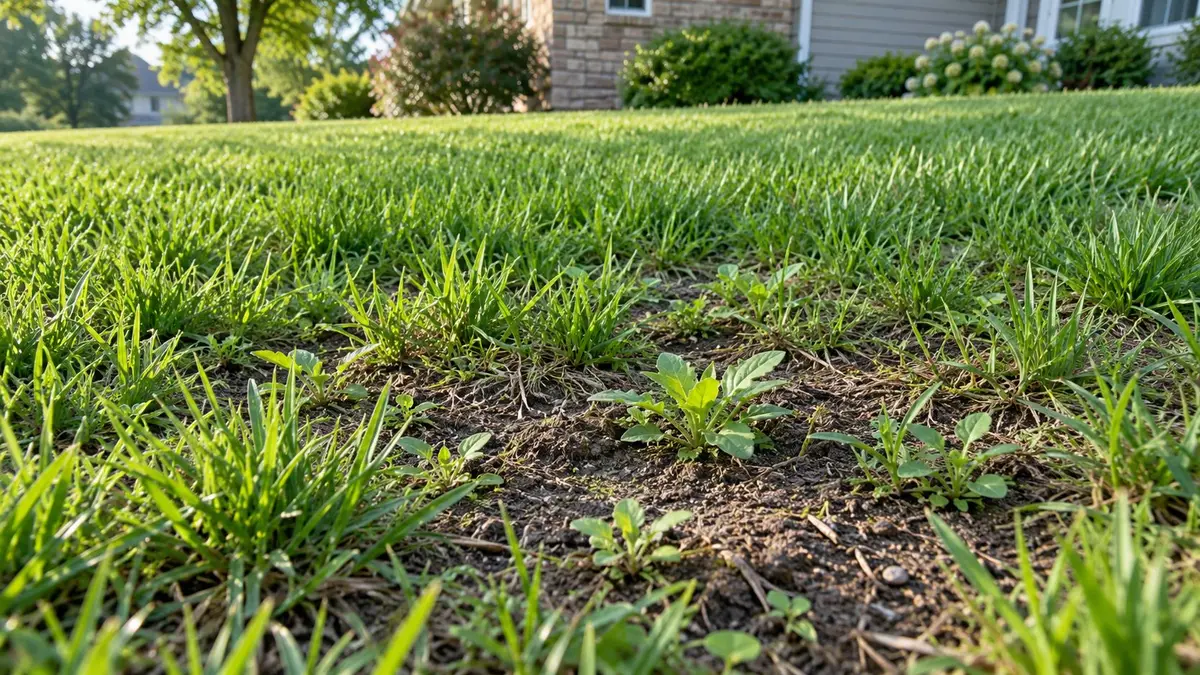
The spray knocked back the weeds, but green shoots now fill the same thin strip. That does not automatically mean the product failed. The new shoots may be seedlings from old seed, regrowth from roots or tubers, or plants the treatment never controlled.
University of California’s integrated pest management guidance says weeds seldom become major problems in vigorous, well-managed turf. Once a treatment leaves bare soil, the grass needs a way to occupy it. Start by naming the type of return and the condition that keeps turf thin there.
There is no dependable national cost figure for repeated weed service versus lawn repair. Size, visits, product type, seed or sod, soil correction and irrigation work change the price. A quote that pays for another spray without a grass-filling plan may keep paying for the same opening.
Are these new seedlings, perennial regrowth or a missed treatment?
Take close photos now and compare them with photos of the same spot before and shortly after treatment. Identify the weed through your county extension office if its leaves are unfamiliar. The three patterns lead to different actions:
| What you see | Likely event | What changes the result |
|---|---|---|
| Many small plants emerging in bare spaces weeks later | New seedlings from existing or incoming seed | Reduce openings with suitable turf and time seed prevention to the weed’s season. |
| Shoots rising from the same clumps or patches | Perennial regrowth from roots, stems or tubers | Identify the perennial and plan repeated, targeted control or spot renovation. |
| Original plants never responded or briefly curled and recovered | Application miss, wrong weed target or poor timing | Check the exact product label, weather and weed identification. |
Annual crabgrass, spurge and winter annuals make seed that can remain viable for years, with longevity depending on species. Penn State’s crabgrass guide describes heavy seed production. Penn State’s yellow-nutsedge guide explains that tubers can remain dormant and resprout; a pre-emergent aimed at seed will not reliably stop those underground parts. Creeping Charlie likewise persists from stems and roots. Your yard may have all three patterns at once, so diagnose each weed rather than declaring a whole program a success or failure.
Why might the last weed treatment have missed?
A pre-emergent targets seeds before they become visible weeds. A post-emergent targets plants already growing. Applying one while expecting the other’s job is a common timing error. Broadleaf products also do not automatically control grassy weeds or sedges. Read the label’s target weeds and turf species before another application.
Kansas State’s broadleaf-control guidance warns against spraying above about 85°F, just before rain, or around mowing; drought-stressed weeds also respond poorly. Those are Kansas State’s general conditions, while the exact rain-free and mowing intervals come from the product label. Georgia Extension also identifies wrong timing, coverage and stressed weeds as reasons a treatment disappoints. More product is not a remedy; it can injure turf and violate the label.
Some resistance exists. Clemson documents annual bluegrass resistance in specific regions and products, but resistance is not the default explanation for a home lawn. Confirm weed identity, product type, timing and site conditions first.
Why isn’t grass filling the gaps after weeds die?
The treatment removed plants; it did not create grass. Tall fescue and perennial ryegrass grow in bunches and may leave open spaces until reseeded. Spreading warm-season grasses can run into gaps when light, moisture and temperature suit them, but dense weeds, compacted soil, too-short mowing or a poorly timed pre-emergent can prevent that recovery.
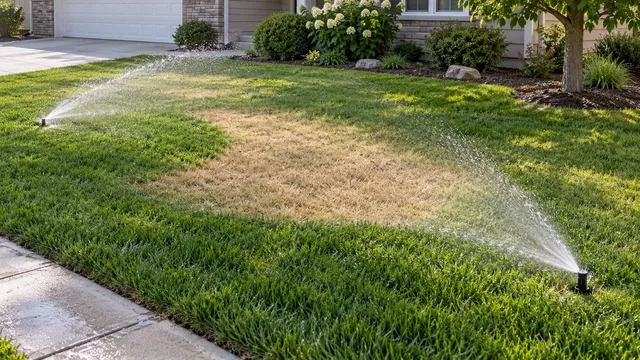
Clemson Extension describes weeds as plants taking advantage of openings in weakened turf. Repeated weeds in exactly the same zone point toward a local cause: a shaded strip, a compacted path, a wet low spot, an under-watered sprinkler edge, or recurring insect or disease damage. The brown-patches guide helps with damaged turf before weed colonization. Overseed or start over handles how much desirable grass is worth keeping.
What conditions do particular weeds suggest?
Treat a weed as a hint, not a soil test. University of Connecticut IPM cautions that the presence of a species alone cannot establish a growing condition; most weeds tolerate more than one setting. Even extension lists differ: clover may be associated with low nitrogen in one and low mowing in another. Location and a follow-up check matter more.
| Weed or location clue | Possible condition | How to confirm |
|---|---|---|
| Plantain or goosegrass along a path | Traffic and compaction | Probe slightly moist soil against an untrafficked comparison area. |
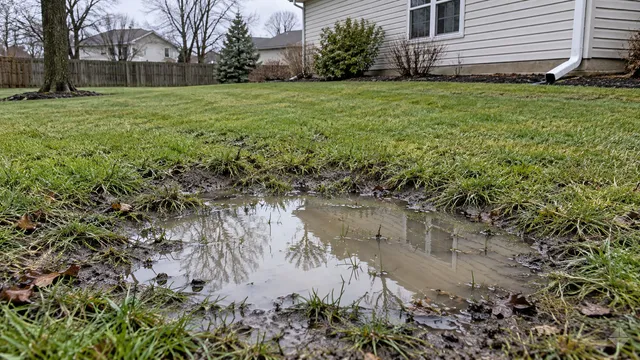
| Nutsedge in a low spot | Persistent wet soil | Watch after rain and check irrigation leaks or overspray. |
| Ground ivy or violets under trees | Too little light for turf | Count direct sun hours during the growing season. |
| Clover or black medic in thin turf | Fertility or mowing mismatch | Use a soil test and check mowing height. |
| Red sorrel | Possible acidic soil | Obtain a lab pH and amendment recommendation. |
| Crabgrass at scalped edges | Open soil and low mowing | Measure current cut height against the species range. |
For wet areas, why a yard stays muddy goes beyond spraying nutsedge. For dry arcs or a wet and dry split within a zone, measure sprinkler coverage. A soil test from your state land-grant extension lab can guide fertility and pH; do not lime because of one “indicator” weed.
Can mowing height and watering keep the next flush down?
Mowing too short opens the canopy and weakens desirable grass. An NC State Extension report of one Raleigh trial found crabgrass cover by mid-September of 95%, 48%, 13% and 0% in tall fescue mowed at one, two, three and four inches, respectively. That is a single tall-fescue trial, not a promise for every lawn or a universal four-inch setting.
Grass height varies. NC State’s Carolina Lawns guide gives tall fescue roughly 2½–3½ inches, bermudagrass ¾–1 inch, and St. Augustinegrass 2½–4 inches for its region. Use your local extension and cultivar guidance. UC IPM advises removing no more than one-third of the blade at a mowing; a sudden scalp at an edge can create the next crabgrass nursery.
Watering also needs to reach roots without leaving a low zone soaked. Deep, less frequent irrigation where appropriate favors turf roots more than frequent surface wetting. Nutsedge and other wet-site weeds can exploit a sprinkler leak or poor drainage. Fix the water pattern before buying another weed treatment.
Could weed prevention be stopping your grass seed?
Yes. Most standard pre-emergents also block grass seed germination. Penn State notes that some crabgrass preventers can delay seeding by up to six months; other extension guidance gives different intervals. Rutgers turf specialists describe mesotrione and siduron products labeled for some cool-season seedings as exceptions, but they may provide weaker control under heavy weed pressure. Product, turf species and label determine the choice.
Post-emergent broadleaf sprays also need a gap before seed. Kansas State says at least 30 days in its program; Clemson’s warm-season weed guide gives about three to four weeks before overseeding. Those are not interchangeable universal waits. Keep a dated record of everything applied and obey the actual label’s seeding interval. Illinois Extension notes that weed-and-feed combines jobs that may need different timing, especially an early crabgrass preventer and nitrogen.
Thin warm-season turf has another issue: NC State Extension says some pre-emergents can inhibit new roots on stolons—the aboveground runners that spread bermuda and other grasses. A thin lawn may then fail to close gaps even without seeding. NC State discusses split applications in that context; have a licensed applicator use local extension and label guidance rather than inventing a rate.
How should the plan change by season and grass type?
In cool-season lawns, late summer to early fall is the main seeding opportunity in many regions. Decide during spring pre-emergent planning whether you need that fall seed window. Perennial broadleaf weeds often respond well to fall control, Kansas State says, but label intervals still govern when seed can follow. Spot treatment makes sense when weeds are scattered and desirable turf is sound.
Warm-season grasses spread during active late-spring and summer growth. Clemson advises against post-emergents during spring green-up and notes that St. Augustinegrass and centipedegrass are especially herbicide-sensitive. Winter annuals such as henbit and annual bluegrass in dormant Southern lawns call for fall planning, not only a spring crabgrass schedule. Use the state extension calendar; temperatures and planting windows shift by region and year.
Perennial nutsedge or creeping Charlie may need a multi-season plan. When weeds repeatedly occupy deep shade, an always-wet depression or a lawn overtaken by hard-to-control perennial grasses, change the site or renovate the patch instead of repeating a product. Grass under trees and returning lawn moss show two site choices that spraying cannot settle. Aeration versus dethatching helps where compaction or an organic layer is suspected.
How do you use products safely and evaluate a lawn service?
The EPA’s pesticide-label guidance says using a pesticide inconsistently with its labeling violates federal law. The label sets grass species, site, timing, rates, re-entry and seeding intervals. The National Pesticide Information Center advises keeping people and pets off until sprays dry and off granular treatments while granules remain visible. If the product calls for watering granules in, keep people and pets off until they are completely watered in and the lawn has dried. Local lawn-pesticide restrictions and state applicator rules vary.
Give a county extension office or lawn-care professional photos, weed names, dated product labels, mowing height, water schedule, seeding attempts and a soil test. Ask a service which weeds each product targets, when grass can be seeded, what site conditions it will correct and whether spot treatment is enough. An estimate should separate visits and products from soil testing, aeration, seed or sod, irrigation and drainage work. A year of sprays with no gain in turf density calls for a second opinion and a different plan.
Frequently asked questions
I used pre-emergent in spring. Why do I still have weeds?
It targets particular seeds before germination, not plants already up or perennial underground parts. Timing, weed identity and the label matter; some seeds can emerge later or from untreated gaps. Identify the new plants before repeating it.
How long after weed killer can I put down seed?
Use the exact label’s interval. Kansas State and Clemson give different broadleaf-program examples, while some pre-emergents can delay seeding for months. Write down the product and application date before choosing a planting window.
Why do weeds return to the same part of the yard?
That spot may remain thin from shade, wetness, compaction, low mowing or a turf species that does not fit. Compare sun, soil moisture, irrigation and grass density there with a healthy area. Correct the site before expecting a treatment to last.
Should I pull or spray weeds when grass is thin?
Choose by weed identity, size and extent, and plan how the gap will fill. Small scattered broadleaf weeds may be removable without treating the whole lawn. Persistent perennial roots or tubers need a longer plan; ask extension to identify them.
Can a neighbor’s weeds keep reseeding my lawn?
Seeds can arrive from outside, but your turf density and site conditions decide how many establish. Maintain the grass and repair open areas rather than treating the property line as the whole cause.
Can weed-and-feed make the problem worse?
It can force weed prevention and fertilizing onto one schedule while seeding needs another. Check whether its pre-emergent blocks planned grass seed and whether the fertilizer timing suits the grass. Separate decisions may fit a thin lawn better.
Sources
- University of California Statewide IPM — Weed Management in Lawns
- Clemson Cooperative Extension — Weeds as Indicators
- University of Connecticut IPM — Weeds as Indicators of Soil and Growing Conditions in Turf
- Penn State Extension — Smooth Crabgrass and Large Crabgrass
- Penn State Extension — Yellow Nutsedge
- Kansas State University — Broadleaf Weed Chemical Control
- Clemson Cooperative Extension — Managing Weeds in Warm Season Lawns
- University of Georgia Cooperative Extension — Weed Control in Home Lawns
- N.C. Cooperative Extension — Mowing Height for Crabgrass Prevention
- N.C. Cooperative Extension — Applying Pre-Emergent Herbicides to Lawns
- Rutgers Center for Turfgrass Science — Weed Control in Spring Seedings
- National Pesticide Information Center — My yard is being sprayed; can my kids go out and play?
- N.C. Cooperative Extension — Carolina Lawns
- University of Illinois Extension — The dilemma with weed and feed lawn products
- Clemson Cooperative Extension — Annual Bluegrass Control
- U.S. EPA — Introduction to Pesticide Labels