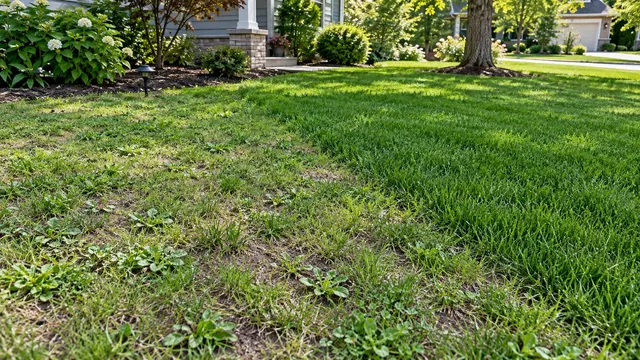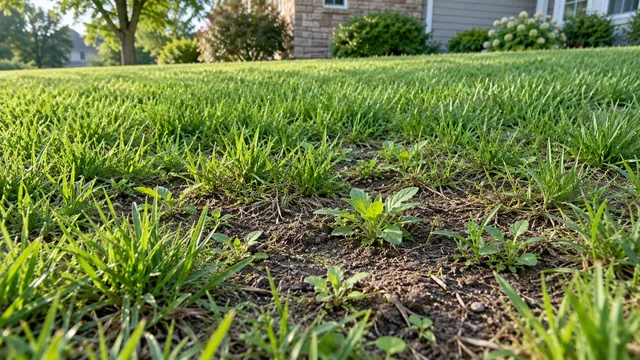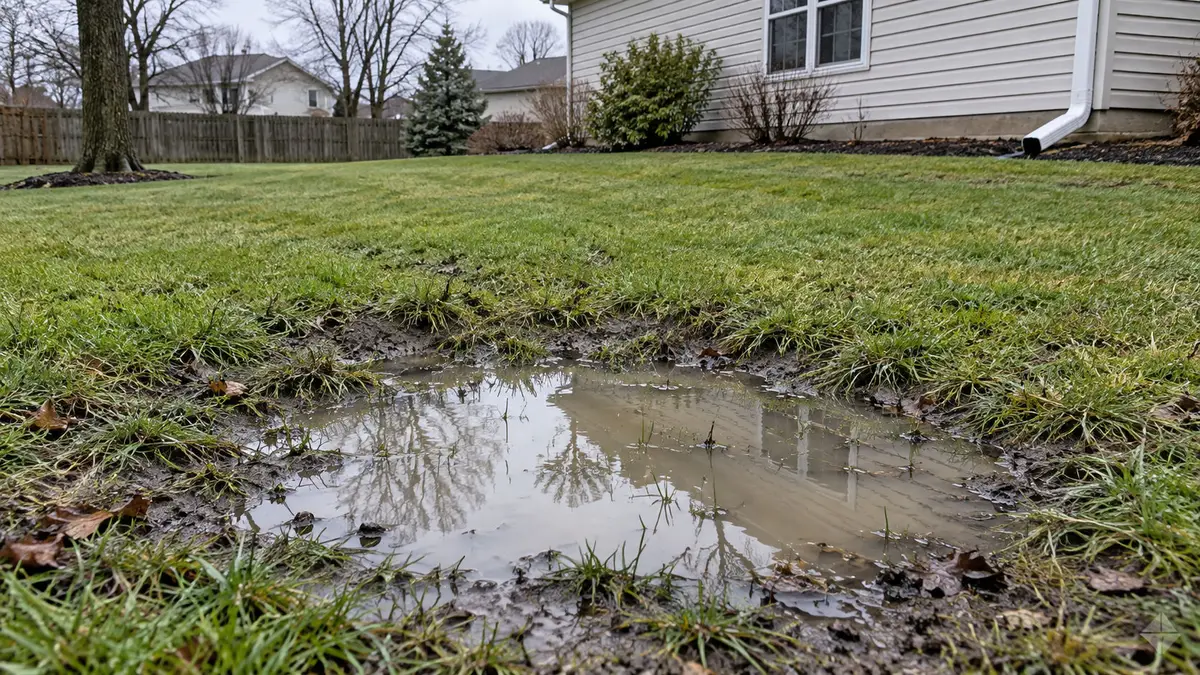
Days after rain, one stretch of lawn still takes your shoe print and leaves mud on the mower. A newer yard may have compacted fill; an older one may have a low spot. The puddle does not reveal its water source.
First decide whether rainwater drains slowly or a dry-weather source keeps feeding the spot. That determines the right trade and fix. There is no reliable single price for this mix of problems; area, soil, access, outlet and restoration determine the work to quote.
How long is too long for a yard to stay wet after rain?
Northern Virginia Soil and Water Conservation District says a yard drying within a day or two after a storm is normal. Soggy areas lasting several days suggest poor grading or slow infiltration, meaning water enters the soil too slowly. Wetness lasting months or present all the time points instead toward high groundwater or a leak.
Back-to-back rain, shade and thaw can extend drying. In cold regions, Wisconsin Extension explains that ice-filled pores limit infiltration. Compare ordinary storms in your season; a spot wet after nearby lawn dries deserves attention.
Mark where the mud appears. The source may be upslope from where water emerges. A dry-weather patch calls for leak and septic checks.
Where does the mud appear, and when?
Match the location to what feeds it. This table offers leads for a safe observation and names the appropriate next contact; it does not diagnose a buried pipe or drainfield.
| Pattern you can see | Possible source | Next step |
|---|---|---|
| Whole lawn dries slowly after rain | Clay, compaction, restrictive layer or high groundwater | Record duration; ask a drainage contractor about soil and site |
| One low bowl holds a puddle | Surface grade | Note where rain enters; ask a landscape contractor about regrading |
| Wet band below roof edge, downspout, patio or drive | Concentrated runoff | Observe discharge from a safe path; ask a drainage contractor about a lawful outlet |
| Wet strip at a property line or slope foot | Upslope flow or seepage | Photograph flow; ask a drainage contractor or civil engineer to trace it |
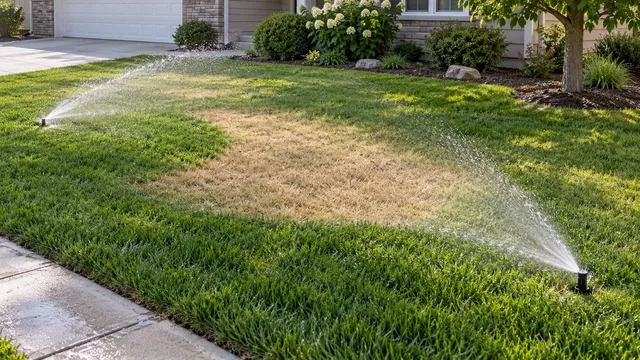
| Patch stays wet or unusually green in dry weather near a line or sprinkler | Possible supply or irrigation leak | Check the accessible meter; call utility, plumber or irrigation contractor |
| Odor, standing water or lush spongy grass over a drainfield | Possible septic failure | Keep people and pets out; call a septic professional or health department |
A worn path or vehicle track can compact the surface. Maryland Extension notes that wet soil compacts more easily. Mowing ruts can worsen drainage.
Why do clay, compaction and hidden layers keep a yard muddy?
Water needs connected pore spaces to move downward. Colorado State University Extension says small pores in compacted soils and soils with more than about 20% clay slow water movement. When soil remains waterlogged, grass roots also lose air.
Surface compaction may respond to core aeration. Deeper hardpan, a dense buried layer, or a textural interface where topsoil meets compacted fill can stop water below. Construction traffic can leave that pattern under loose-looking topsoil. Thatch can slow entry above. Surface holes cannot remove a deep barrier or lower groundwater.
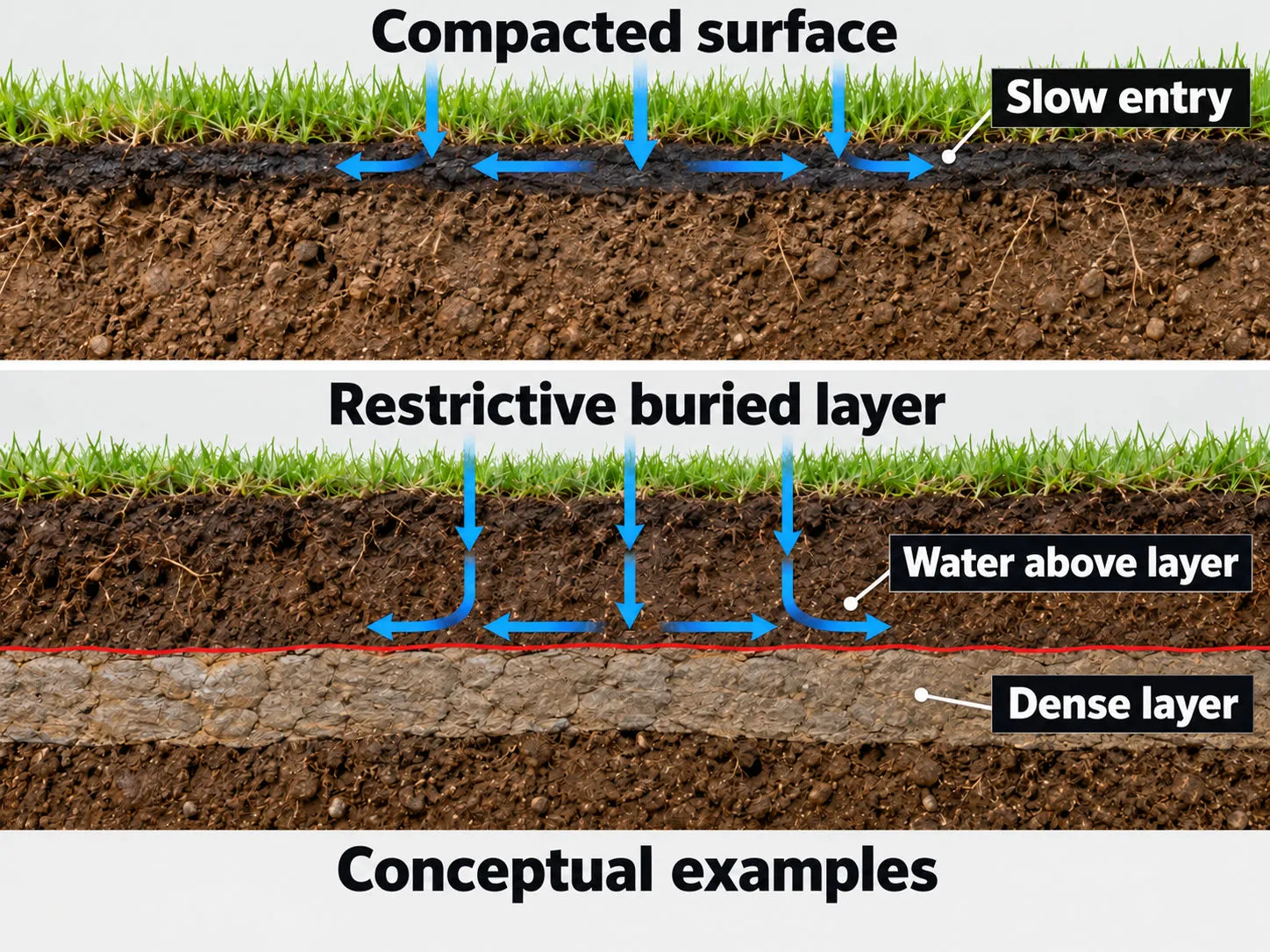
Leave wet soil undisturbed. For persistent waterlogging, ask a drainage or soil professional to find the limiting layer before paying for a trench.
What can you check safely before paying for drainage work?
From a firm path or indoors, date photos of where water enters and stops. Record when rain ends and each spot firms up. Compare after a dry spell and after irrigation runs. Keep away from saturated slopes and electrical equipment.
If a supply leak is possible, Blaine, Minnesota’s utility gives a meter check: turn off every indoor and outdoor water use, including irrigation; watch the leak indicator or record a reading; wait 30 minutes without water use and read it again. A changed reading confirms a leak, but it does not locate it or prove it feeds the yard patch. Ask the serving utility or a licensed plumber to isolate the cause. No change leaves irrigation, groundwater or another source to investigate.
An infiltration hole can test one site after saturation ends. Before any hole, request an 811 locate in advance, wait the period your state requires and confirm every notified utility responded. Keep clear of marks. An 811 ticket does not locate private irrigation, privately owned services or septic components. Have a drainage contractor locate private irrigation and service routes, and a septic professional identify drainfield boundaries before testing where they may be present; if locations remain unresolved, do not dig. Colorado State’s general soil test uses a 12-inch-deep hole filled with water: failure to drain within 30 minutes signals a drainage problem; water remaining after 24 hours suggests waterlogged conditions that can affect plants. Nebraska Extension’s rain-garden siting test uses a 6-inch hole: under 24 hours supports that purpose, alongside a target infiltration rate above 0.25 inch per hour. These serve different decisions.
Nebraska advises testing in spring or the usual rainy season, when soil is workable, rather than when it is dry and cracked. An already waterlogged hole only confirms saturation. If buried routes or the drainfield are involved, the drainage contractor and relevant utility or septic professional must establish a safe test location.
What if the wet spot remains in dry weather?
An unexplained wet patch, higher bill or meter movement may mean a supply leak. Blaine’s curb-stop ownership boundary is local. Call your utility about the service line, a licensed plumber about private plumbing or an irrigation contractor about sprinklers. Do not dig; surface wetness may emerge away from the break.
Septic signs need a different response. EPA’s homeowner septic guidance says to keep roof drains and sump pumps away from a drainfield; excess water slows or stops wastewater treatment. Wet or spongy grass over the drainfield, odors, slow indoor drains or sewage backing up warrant a septic professional or local health department. Keep children and pets away and do not probe, mow or route another drain onto it. Untreated wastewater can make people and animals sick. Washington State Department of Health lists damp spots, odors and unusually lush grass over a drainfield as failure signs; color alone is not a diagnosis.
Sinking ground or a new hole over a buried water line is another stop sign: stay clear; the serving utility or a licensed plumber must assess the line before lawn work.
Weeks of broad wetness may signal high groundwater or a seep, especially in a floodplain or at a slope foot. Ask a civil engineer to assess drainage limits and planting options. Check local restrictions before altering protected wetland areas.
Which fix matches the cause of a soggy yard?
The most useful quote starts with a source of water and a destination for it. Fairfax County lists both redirection and capture options, but the right one depends on the site.
| Cause established | Possible response | What it will not fix |
|---|---|---|
| Surface compaction or heavy thatch | Core aeration at a suitable season; gradual organic matter | Low spot, leak, deep hardpan |
| Dense clay with poor plant growth | Site-appropriate organic matter and tolerant planting | Roof flow arriving faster than soil can absorb |
| Small low depression | Fill and grade toward a suitable outlet | High groundwater or buried-line leak |
| Roof or paved-area runoff | Downspout redirection, swale or catch basin | Water with nowhere lawful to discharge |
| Subsurface seepage | Professionally designed French drain with downhill outlet | High water table if no lower outlet exists |
| Runoff to capture before a wet area | Rain garden or dry well where soil absorbs water | A persistently saturated spot or failed drainfield |
Core aeration helps surface compaction. Iowa State identifies April and September for Iowa lawns; timing elsewhere depends on grass and region. A French drain is a rock-filled trench that intercepts and carries water. Colorado State says it must slope 1–3% and flow to an outlet. Ask a drainage contractor to establish the slope, lawful outlet and maintenance. A dry well needs absorbent soil below; a drainage contractor should assess it and groundwater.
A rain garden is a planted runoff basin. Nebraska Extension excludes existing puddles, locations beneath tree canopies and sites over 12% slope. Its siting guide uses at least 10 feet from the house, 25 feet from septic and a water table at least 2 feet below; confirm local setbacks. It should drain in 24 to 48 hours. Ask a landscape or drainage contractor to screen an upslope interception site before excavation.
Why can sand and gypsum disappoint in clay soil?
University of Illinois Extension says tilling modest amounts of sand into clay can make a concrete-like mix. It notes that meaningful change would need roughly equal volumes of sand and clay, generally impractical for a yard, and recommends organic matter instead. This warning concerns mixing sand into clay; it is not a verdict on every professionally specified topdressing.
Iowa State says gypsum offers little drainage benefit in ordinary Iowa clay. It is chiefly used for sodic soil, soil with excess sodium, mainly in arid western regions. Ask for a soil test and local extension interpretation before buying an amendment. Neither product redirects a downspout or fixes a low grade.
What if mud collects beside the foundation or below a downspout?
A wet foundation strip deserves early attention, though soggy turf alone does not prove damage. Note short downspouts, settled backfill and raised beds. Ask a drainage contractor to trace a suitable outlet.
The 2024 model residential code’s approach appears in La Plata County, Colorado’s adopted R401.3: grade falls at least 6 inches in the first 10 feet from the foundation, with drains or swales where barriers prevent that. Local construction rules and existing sites vary.
Do not copy downspout distances from another city as a universal fix. Portland’s disconnection program uses local setbacks, including at least 6 feet from a basement, 2 feet from a crawlspace or slab and 5 feet from a neighboring property line. It excludes some steep and septic sites. EPA says redirection may not fit every property; check local rules and an absorbent destination. For water entering a basement or crawl space, call a drainage contractor to trace the source and a civil or geotechnical engineer for structural concerns.
What if the water comes from a neighbor or upslope?
Date photos of water entering during rain. A drainage contractor or civil engineer can trace it and propose a lawful outlet before you build a berm or pipe.
Henderson County, North Carolina explains that surface-water responsibility varies among U.S. jurisdictions. The county describes neighbor disputes as civil matters under its local approach. Talk with the neighbor about the observed flow; for a dispute or major grading plan, ask a local attorney about your jurisdiction’s rule. Sending your yard water onto adjoining land can create a new problem. Check with the local stormwater or building office about approvals for connections, protected land and substantial grading.
What changes the price of fixing a muddy yard?
Aerating a surface, reshaping a depression and installing a drain have different scopes. Ask the drainage contractor what observation supports the proposed work and where the water will go.
Quotes should separate diagnosis, trench length and depth, access, rock or clay excavation, pipe, outlet, imported fill, disposal, permits and restoration. Utilities and tree roots can alter the route. A plumber or septic professional prices a confirmed repair separately.
Ask who arranges an 811 locate, who confirms the outlet is legal, what maintenance is needed and what happens if the wet area persists. A large drain proposal that never identifies the source or an outlet deserves a second drainage assessment. Do not let pressure to sign during a storm replace a written plan.
How do you keep the yard from turning muddy again?
Keep traffic and mowers off saturated turf. Maintain the house-side slope and downspout extensions; adjust irrigation after rain. Aerate surface compaction at the right season for your grass. Plant for persistent groundwater rather than repeating a failed lawn repair.
Clear small standing-water containers and keep an eye on long-lived puddles in warm weather. EPA says a mosquito’s life cycle can take from four days to a month depending on conditions, so no single number of rainy days determines the risk. The practical habit is to notice where water stays and correct the cause or manage the area appropriately.
Frequently asked questions
Is it bad to walk or mow on a muddy lawn?
Yes. Maryland Extension says wet soil compacts more easily, and tires can rut saturated turf. Use a firm route and wait for the soil to support the mower without leaving tracks.
Will core aeration fix a yard that stays wet?
It can help when surface compaction or thatch limits infiltration. It will not level a depression, remove a buried hardpan, stop a leak or create a drain outlet. Ask a lawn or drainage professional to confirm which layer is limiting flow.
Can I just add topsoil over the muddy area?
Sometimes, for a small depression, if the finished grade leads water to a suitable place. Fairfax County discusses filling and regrading small wet spots. Dumping soil on a broad saturated area can bury turf while leaving the water source in place; ask a drainage contractor to plan larger grading.
Is a French drain or dry well better for a soggy yard?
It depends on where water can go. A French drain needs a suitable downhill outlet; a dry well needs soil below it that can accept the stored water. A drainage contractor should test the site and verify the discharge route before recommending either.
Why is my yard wet when it has not rained?
Consider irrigation, a water-supply leak, septic trouble or high groundwater. Check the accessible water meter with all water uses off, and call a plumber or utility if it changes. Odor or wet ground over a drainfield goes directly to a septic professional or local health department.
My neighbor’s runoff floods my yard. Who is responsible?
Responsibility depends on local law and how the flow was changed. Record the storm pattern, discuss it with the neighbor and ask a drainage professional to trace it. A local attorney can explain rights and obligations before either property redirects the water.
Sources
- Northern Virginia Soil and Water Conservation District — Wet Yard: Solving Drainage Problems
- University of Wisconsin Extension — Bouncing Between Frozen and Thawed
- University of Maryland Extension — Lawn Problems Not Caused by Pests or Diseases
- Colorado State University Extension — Soil Drainage
- City of Blaine, Minnesota — Water Leak
- University of Nebraska-Lincoln Extension — Rain Garden Design for Homeowners
- 811 Before You Dig — 811 Before You Dig
- U.S. Environmental Protection Agency — How to Care for Your Septic System
- Washington State Department of Health — Signs of Septic System Failure
- Iowa State University Extension — Will an Application of Gypsum Improve a Clay Soil?
- University of Illinois Extension — Does Sand Improve Clay Soil Drainage?
- La Plata County, Colorado — Chapter 18 Buildings and Building Regulations
- City of Portland, Oregon — Downspout Disconnection
- U.S. Environmental Protection Agency — Disconnect and Redirect Downspouts
- Henderson County, North Carolina — Drainage from Adjoining Parcels
- U.S. Environmental Protection Agency — Mosquito Life Cycle