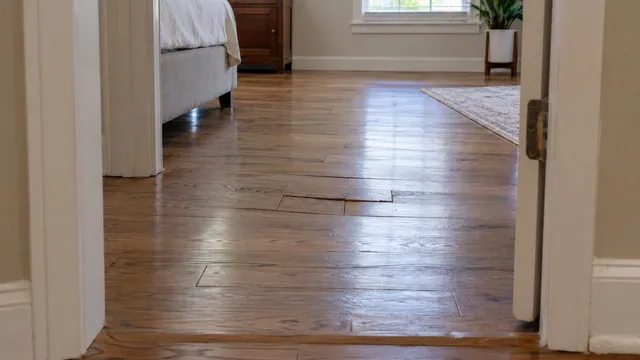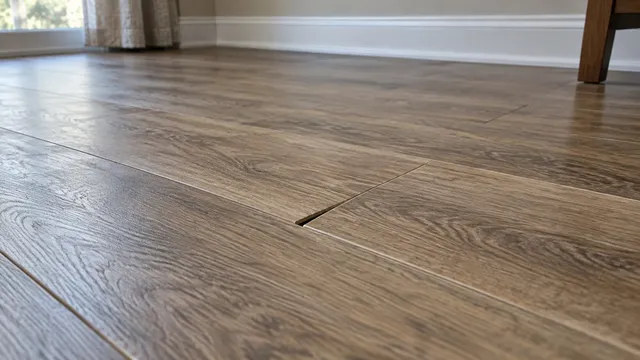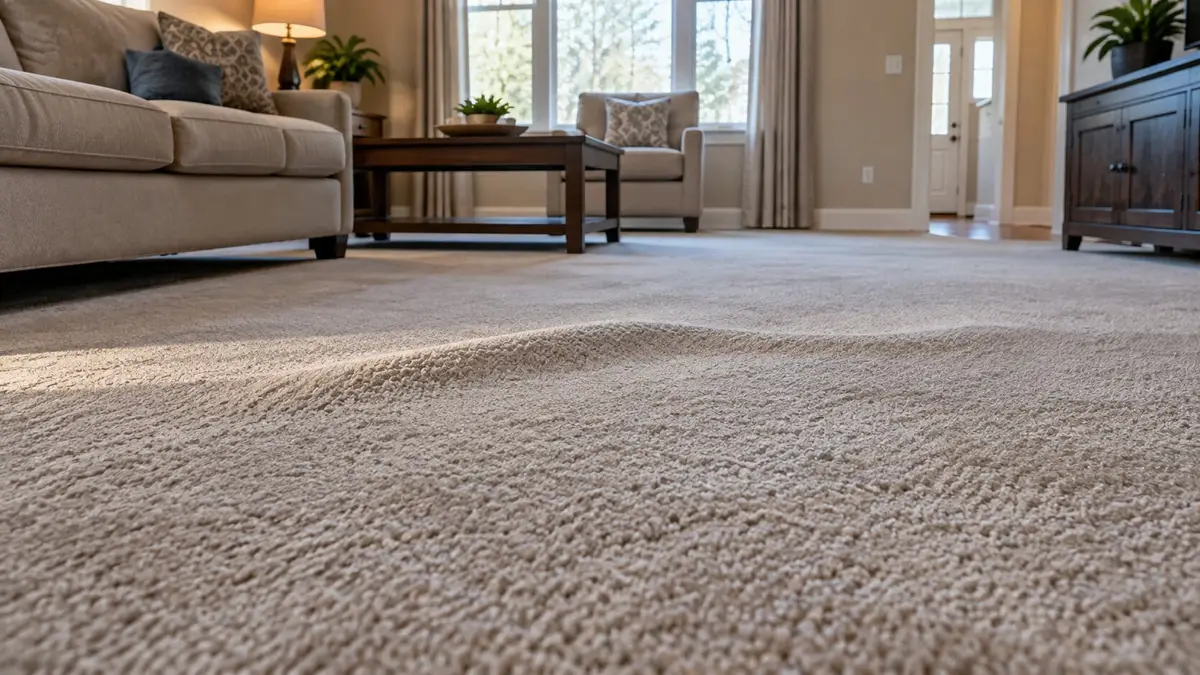
Carpet ripples, bubbles, buckling, or wrinkles can make an otherwise usable room feel worn out. The raised area may come from loose stretch-in carpet, a seam, backing damage, or water beneath the surface. Those conditions need different repairs.
First identify the installation and look for moisture history. Then compare a repair that corrects the cause with replacement of the same finished area. That is more useful than deciding from the carpet’s age.
A carpet ripple can be repairable—but separate loose carpet from water damage
Restretching is a candidate when the carpet was installed with stretch-in construction and the main problem is fit. A carpet installer must inspect the backing, cushion, and perimeter before confirming that route. The Carpet and Rug Institute’s wrinkle bulletin says wrinkles create trip hazards, accelerate wear, and can cause delamination—separation of the carpet’s backing layers. That last effect can make later restretching impractical, so arrange an installer assessment rather than leaving a wave in a walking route.
A new wet patch, active leak, persistent musty odor, or suspected hidden mold changes the first call. A water-damage restoration professional should assess the source and affected layers before cosmetic work. EPA says backing and padding must be dried promptly or mold will likely result. Its home mold guide calls for experienced professional help with contaminated-water damage. Do not pull back suspect carpet or assume a dry face means dry cushion.
A ripple after cleaning is a clue, not a verdict
Photograph the area and note when cleaning ended, when the wave appeared, and whether it changes during normal drying. CRI says wet-cleaned carpet can wrinkle but typically returns to its original position once dry. Wait for ordinary cleaning moisture to dry before booking a restretch. If the ripple persists, share the record with the cleaner and carpet installer; timing alone does not assign fault. Known soaking or water intrusion calls for restoration assessment rather than waiting for a cosmetic wrinkle to settle.
Why is my carpet rippling or buckling?
Find the installation method from records or the installer rather than detaching carpet yourself. CRI 105 distinguishes stretch-in and direct glue-down systems. A bubble in an adhered floor is not fixed by applying stretch-in tension. A soft base underneath is a floor-layer problem to assess separately.
| What you see | Possible question for the installer | What the appearance cannot prove |
|---|---|---|
| Broad wave across stretch-in carpet | Is fit, cushion, or anchorage involved? | That more tension alone will hold |
| Straight raised line at a seam | Is the taped seam peaked, open, or damaged? | That the seam has failed |
| Bubble in glued-down carpet | Is the adhesive bond or substrate involved? | That puncturing or stretching is appropriate |
| Local bump or soft area | Is the covering or underlying floor moving? | That carpet backing caused it |
A broad wave versus a straight seam ridge
A broad wave may follow an installation that was not power-stretched, a cushion that is too thick or soft, changes in humidity and temperature, dragged furniture, or wet cleaning. CRI’s wrinkle bulletin identifies these as possible contributors, not a diagnosis from appearance. A line that tracks a join may be seam peaking, where a taped seam becomes raised under tension. CRI’s seam bulletin explains the mechanism. A visible seam is not automatically defective, and more stretching cannot promise an invisible seam. Ask the installer whether it is peaked, open, frayed, or otherwise damaged.
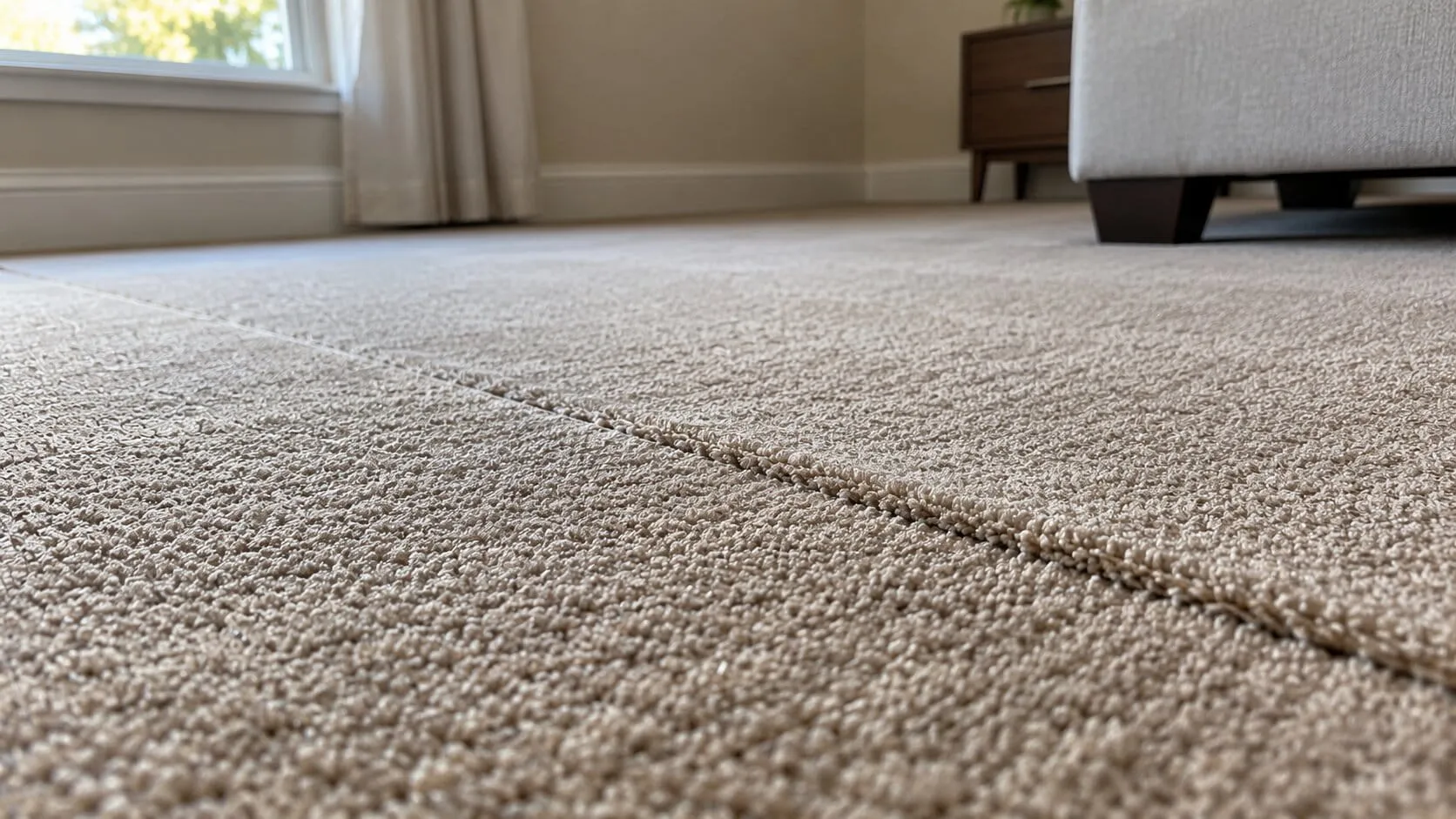
A straight seam ridge looks different from a broad ripple; a carpet installer must inspect its cause.
A glued-down bubble versus backing separation
An adhered carpet can lose bond to its substrate. Delamination means separation between the carpet’s own backing layers. They are different failures, and a surface bubble does not prove either one. Ask the installer to examine the actual construction, adhesion, backing, and substrate. Do not puncture a bubble, inject glue, or stretch glued-down carpet based on appearance.
Can the carpet be restretched, or does it need replacing?
Give the carpet installer room-wide photos, purchase and installation records, past work, cleaning and leak dates, and locations of seams, vents, and repeated waves. The CRI restretching guidance calls for the installer to inspect carpet and installation conditions. Have the installer check perimeter anchorage, cushion position and condition, and backing integrity before quoting tension-only work.
Condition matters more than a fixed age. A sound-looking carpet with localized slack may remain worth keeping. Widespread backing deterioration or unresolved moisture may undermine a straightforward restretch. Localized damage still deserves a product-specific salvage assessment rather than an automatic whole-room verdict. The household’s appearance goals and planned remodel also affect whether repair is worthwhile; they do not diagnose technical failure.
Keep three options on the estimate
| Path to price | What must be confirmed |
|---|---|
| Restretch | Stretch-in system, retained backing and cushion, suitable anchorage |
| Correct a prerequisite, then restretch | Repairable cushion, edge, or other installation issue; known or conditional scope |
| Replacement or restoration assessment | Extensive material deterioration, unacceptable final appearance, or moisture/contamination preventing simple salvage |
Ask the repairer what evidence supports the recommended path and what remains hidden until the carpet is safely lifted. A promise based only on age or a photograph is insufficient.
Why a proper restretch may involve more than the room with the wrinkle
A qualified installer restores tension and secures stretch-in carpet according to the product instructions. CRI’s wrinkle bulletin says use of a power stretcher is mandatory; a knee kicker positions carpet but cannot provide the needed stretch. A knee-kicker-only proposal for broad looseness is a red flag.
Shaw’s carpet-planning guidance connects restretching with moving furniture. CRI’s restretching bulletin calls for all furniture to be removed. It also says leaving an adjoining room or hallway unstretched will likely make wrinkles reappear, while most floor vents and doorways need new pieces seamed in as the carpet shifts. Ask whether spare matching carpet is available.
A complete quote should cover furniture removal; unhooking the carpet; checking tack-strip anchorage and pins, cushion, and backing; opening doorway seams; power-stretching each connected room; reseaming vents and doorways; and sealing exposed edges. These are installer tasks, not homeowner instructions. Compare who performs each task and how the room is returned to use.
For relatively new carpet, contact the original retailer or installer before authorizing cutting or major alterations. Preserve photos and purchase records. Any warranty or workmanship remedy depends on actual written terms, not a general promise that a restretch is free.
At handover, walk the agreed area with the installer. Identify any remaining raised area, edge, or visible seam and record what was included and what could not be corrected. “Looks brand new” is an appearance promise that a repair may not be able to meet.
Compare the full repair bill with what replacement would actually include
Request local, itemized repair quotes that separate diagnosis or minimum visit, furniture handling, connected areas, seams and openings, cushion or tack-strip correction, disposal, and applicable tax. For replacement, include carpet and appropriate cushion, removal, subfloor preparation, installation, transitions, and furniture handling. A repair total cannot fairly be compared with a material-only carpet price.
The work can change after an installer inspects concealed backing or cushion. Ask for an allowance and approval process if that happens. Compare appearance, household interruption, and remaining usefulness without a fixed service-life or price-percentage rule.
No reliable current national price or guaranteed savings percentage resolves this decision. The size and connection of rooms, furniture, seams, substrate work, and local labor affect quotes. Obtain written bids for the same finished result. A second opinion helps when replacement is recommended solely because of age or a repeated ripple receives the identical repair without a cause assessment.
If the carpet ripples again, revisit the cause before buying another stretch
Record where and when the wave returned, relevant cleaning or furniture changes, and room conditions. Share the record with the repairer promptly. Recurrence alone does not prove defective carpet or rule out an installation problem. Ask whether the first scope was completed and what new evidence changes the diagnosis.
Follow the carpet maker’s care instructions and avoid dragging heavy furniture across it. A seasonal pattern may justify checking indoor conditions, but no universal humidity setting repairs every carpet. If replacement is chosen, carry the identified cause into the new installation plan so a new covering does not hide the same problem. Check squeaks before installing the new floor if the base also makes noise. For a basement with recurring moisture, check flooring conditions before buying a replacement.
Frequently asked questions
Should routine cleaning happen before or after restretching?
Wait until carpet cleaned by ordinary wet methods has fully dried before judging its shape, because CRI says cleaning wrinkles typically settle on drying. Then have the carpet installer and cleaner coordinate the restretch and any further routine cleaning under the product’s care instructions. Known water intrusion or wet cushion needs a restoration professional first.
Can cleaning remove lines where old ripples used to be?
It may change the appearance, but no method can guarantee those lines disappear. Ask the installer what remains after correcting fit and what a qualified cleaner considers safe for the actual carpet.
What exclusions belong in a workmanship guarantee?
Read the actual written terms for duration, covered work, moisture or backing exclusions, furniture responsibilities, and how to report recurrence. Ask the installer to explain which conditions would leave the repair outside the workmanship guarantee. Workmanship coverage and the carpet product warranty are different promises.
Correction
Correction — October 1, 2026: Clarified that CRI calls for power stretching of stretch-in carpet and that a knee kicker alone does not provide an adequate restretch.
Sources
- The Carpet and Rug Institute — CRI 105 Residential Carpet Installation Standard
- The Carpet and Rug Institute — Carpet Wrinkles, Buckles, or Bubbles
- The Carpet and Rug Institute — Guidance for Restretching
- The Carpet and Rug Institute — Peaked Seams in Stretch-In Carpet Installation
- Shaw Floors — Carpet Installation Planning
- U.S. Environmental Protection Agency — A Brief Guide to Mold, Moisture and Your Home
- U.S. Environmental Protection Agency — Mold Course Chapter 3